


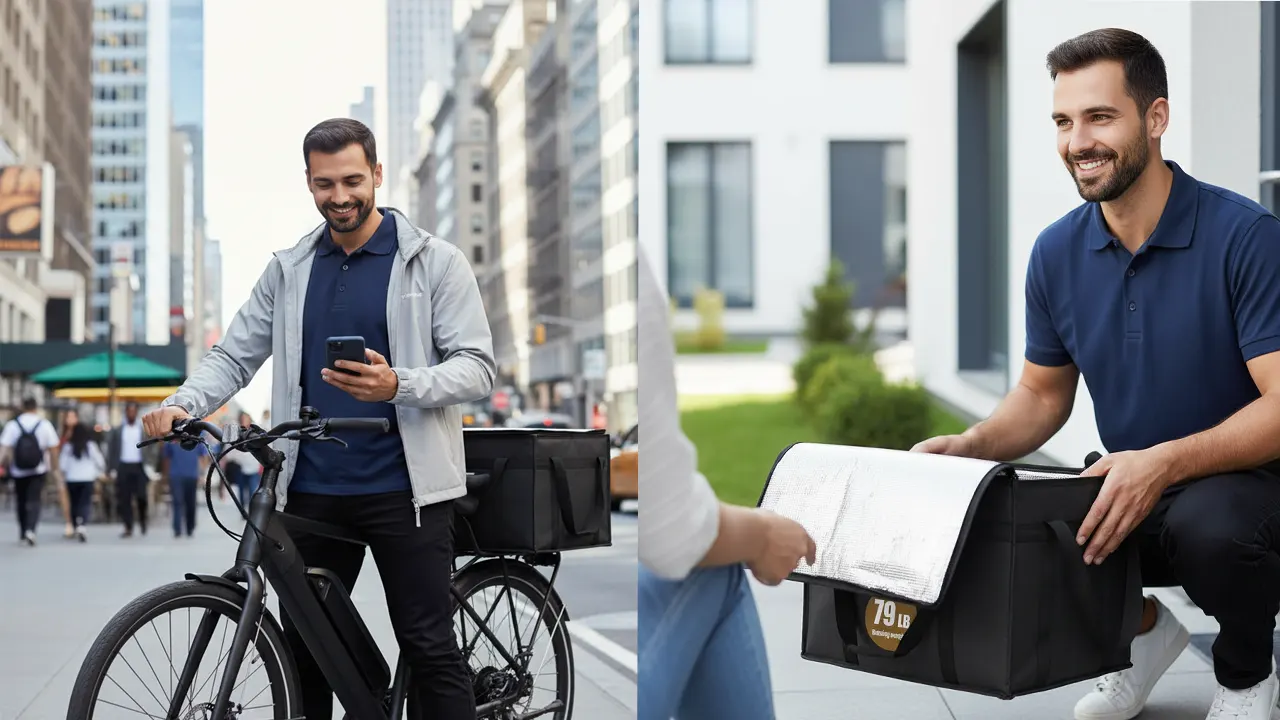
Ensure your food delivery bags hot and stay hot with these essential tips for ultimate heat retention, guaranteeing a satisfying meal experience every time.
Craving a hot meal delivered right to your door, only to open the bag and find it lukewarm? It’s a common frustration that can turn a delightful dining experience into a disappointing one. The culprit is often less about the restaurant’s cooking and more about how well the food is kept warm during transit. But fear not! With a few smart strategies and the right equipment, you can significantly improve the heat retention of your food delivery bags.
Why Do Food Delivery Bags Lose Heat?
Food delivery bags lose heat primarily due to thermodynamics: conduction, convection, and radiation. Conduction transfers heat through direct contact, such as when hot food touches a cooler bag material. Convection is the movement of heat through air currents, where warm air inside the bag escapes and is replaced by cooler ambient air. Radiation is the emission of heat energy in the form of electromagnetic waves, which can escape through any gaps or less insulating parts of the bag.
The Science of Keeping Food Delivery Bags Hot
Understanding the basic principles of heat transfer is crucial for maintaining optimal temperatures. Hot food loses energy to its surroundings. The goal is to minimize this energy loss by creating a barrier that slows down conduction, convection, and radiation. This involves using materials with low thermal conductivity, creating airtight seals, and maximizing the insulation within the bag itself.
Choosing the Right Food Delivery Bag for Maximum Heat
The foundation of hot food delivery lies in the bag itself. Not all delivery bags are created equal, and investing in a quality one makes a world of difference. Look for bags specifically designed for thermal insulation, often featuring multiple layers and robust construction.
Key Features of Insulated Food Delivery Bags
When selecting a bag, prioritize these features to ensure your food delivery bags stay hot:
Thick Insulation: High-density foam or multi-layer insulation is essential for trapping heat effectively.
Waterproof and Durable Exterior: This protects the insulation and keeps the bag clean.
Airtight Seals: Zippers or Velcro closures that create a tight seal prevent warm air from escaping.
Rigid Structure: A well-constructed bag maintains its shape, preventing heat-robbing compression.
Internal Compartments: These can help separate different food temperatures, preventing heat loss from hot items to cooler ones.

Material Matters: What Your Food Delivery Bag is Made Of
The materials used in food delivery bags play a significant role in their heat retention capabilities. Common materials include nylon, polyester, and vinyl for the exterior, while the interior is often lined with reflective materials and filled with foam insulation. The quality and thickness of these layers directly impact how long your food stays hot.
Comparing Insulation Materials
| Material Type | Insulation Effectiveness | Durability | Cost | Best For |
| Multi-layer Foam | Excellent | High | Moderate | Long-haul deliveries, various cuisines |
| Reflective Lining | Good | Moderate | Low | Short-to-medium deliveries, pizza |
| Aerogel | Superior | High | High | Premium, extreme temperature conditions |
| Standard Polyester | Fair | Moderate | Low | Basic, short-distance deliveries |
Maximizing Heat Retention: Pre-heating Your Bag
A common mistake is placing hot food into a cold delivery bag. Just like pre-heating an oven, pre-heating your food delivery bag can significantly boost its ability to keep food hot. This simple step ensures the bag’s internal temperature is already elevated, reducing the initial heat loss from your food.
How to Pre-heat Your Food Delivery Bag
1. Use a Hair Dryer: Aim a hair dryer on a warm setting into the bag for 5-10 minutes.
2. Place Warm Items Inside: If possible, place a few warm, empty containers or even a heating pad (used safely) inside the bag for a similar effect.
3. Sun Exposure (with caution): On a sunny day, you can leave the bag in direct sunlight for a short period, but be mindful of overheating or damaging the bag’s materials.
4. Hot Water Bottles: Place a few sealed hot water bottles inside the bag for 15-20 minutes before loading food.
Pre-heating your delivery bag creates a warmer environment from the start, acting as a more effective buffer against external temperatures. This proactive measure is a game-changer for keeping your food delivery bags hot.
Packing Strategies for Optimal Heat Preservation
How you pack your food delivery bag is just as important as the bag itself. Strategic packing can create a more efficient thermal environment, ensuring food stays hotter for longer. Think of it like packing a cooler for ice cream, but in reverse.
Tips for Efficient Food Packing
Seal Food Containers Tightly: Ensure all food containers have secure lids to prevent steam and heat from escaping.
Group Hot Items Together: Place all hot dishes in close proximity within the bag. This creates a concentrated pocket of warmth.
Avoid Overcrowding: While you want items close, don’t cram the bag so tightly that it compromises airflow and insulation.
Use Insulated Liners or Dividers: These can create separate thermal zones within the bag, keeping hot items hotter and preventing cold items from warming up.
Place Hot Items at the Bottom: Generally, heavier and hotter items can be placed at the bottom, with lighter items on top.
The Role of Food Packaging in Heat Retention
The packaging your food arrives in from the restaurant also plays a critical role. Containers made of materials that are poor conductors of heat, like Styrofoam or high-quality cardboard, will help keep food warmer for longer. Thin plastic or flimsy paper packaging will allow heat to dissipate much faster.
Ideal Food Packaging Materials
Insulated Containers: Many restaurants use foil-lined or specially designed insulated containers that offer excellent heat retention.
Clamshell Containers: These often create a good seal and trap steam effectively.
Cardboard Boxes: For items like pizza, sturdy cardboard boxes are surprisingly effective insulators.
Avoid: Thin plastic or paper containers that offer minimal insulation.
Advanced Techniques for Keeping Food Delivery Bags Hot
For those who demand the absolute best in heat retention, several advanced techniques can be employed. These methods go beyond basic insulation and involve creating a more controlled thermal environment within the delivery bag.
Utilizing Heat Packs and Wraps
Reusable or disposable heat packs can be a fantastic addition to your food delivery arsenal. These can be activated according to their instructions and placed inside the bag alongside the food. Ensure they are designed for food safety and do not directly touch the food unless specified by the manufacturer.
The Importance of Bag Seals and Zippers
A compromised seal is a direct pathway for heat to escape. Regularly check your food delivery bag for any tears, gaps, or malfunctioning zippers or Velcro. A well-sealed bag is critical for maintaining a consistent internal temperature.
Maintaining and Cleaning Your Food Delivery Bags
Proper maintenance and cleaning are essential not only for hygiene but also for preserving the thermal integrity of your food delivery bags. Dirt, spills, and moisture can degrade insulation materials over time, reducing their effectiveness.
Cleaning Best Practices
Wipe Down After Each Use: Use a damp cloth with mild soap to wipe down the interior and exterior.
Air Dry Thoroughly: Ensure the bag is completely dry before storing it to prevent mold and mildew.
Deep Cleaning: Periodically, you may need to use a more robust cleaning solution, following the manufacturer’s instructions.
Check for Damage: Inspect seams, zippers, and insulation for any signs of wear and tear.
When to Upgrade Your Food Delivery Bag
If you find yourself consistently struggling to keep food hot, despite implementing these tips, it might be time for an upgrade. An older, worn-out bag simply won’t perform as well as a newer, high-quality model. Investing in a premium insulated bag can be a worthwhile expense for frequent users of food delivery services.
Frequently Asked Questions About Food Delivery Bags Hot
What is the best material for a food delivery bag to keep food hot?
The best materials combine thick, high-density foam insulation with a waterproof, durable exterior and an airtight seal. Multi-layer foam and reflective linings are excellent for maximizing heat retention.
How can I make my existing food delivery bag hotter?
You can pre-heat your bag using a hair dryer, warm items, or hot water bottles before packing your food. Ensuring tight seals and packing hot items together also helps.
Are reusable food delivery bags better than disposable ones for heat?
Yes, reusable bags are generally much better. They are typically constructed with superior insulation materials and are designed for long-term thermal performance, unlike flimsy disposable options.
Can I put hot packs in my food delivery bag?
Yes, you can use activated heat packs designed for food safety. Place them alongside the food, ensuring they don’t directly touch the food unless the manufacturer advises it.
How long should hot food stay hot in a delivery bag?
A good quality insulated bag should keep food at a safe and palatable temperature for at least 30-60 minutes, depending on the initial temperature, ambient conditions, and bag quality.
What’s the most important factor for keeping food delivery bags hot?
The most critical factor is effective insulation, followed closely by a secure, airtight seal to prevent heat from escaping.
Conclusion: Enjoying Hot Meals, Every Time
Keeping your food delivery bags hot is entirely achievable with the right knowledge and tools. From selecting a superior insulated bag and understanding material science to employing smart packing strategies and pre-heating techniques, every step contributes to a better dining experience. Don’t let lukewarm meals ruin your next order. By implementing these essential tips, you can ensure your food delivery bags stay hot, delivering delicious, satisfying meals right to your doorstep, just as they were meant to be enjoyed.

Belayet Hossain is a Senior Tech Expert and Certified AI Marketing Strategist. Holding an MSc in CSE (Russia) and over a decade of experience since 2011, he combines traditional systems engineering with modern AI insights. Specializing in Vibe Coding and Intelligent Marketing, Belayet provides forward-thinking analysis on software, digital trends, and SEO, helping readers navigate the rapidly evolving digital landscape. Connect with Belayet Hossain on Facebook, Twitter, Linkedin or read my complete biography.