


Published on: 01/09/2025 | Updated on: September 1, 2025
A food delivery truck is more than just a vehicle; it’s a mobile restaurant and a critical component of a successful food delivery business, offering essential operational flexibility and proven growth avenues.
The world of food delivery is booming, yet navigating it can feel overwhelming. You’re probably wondering how to get started or how to expand your reach, perhaps even considering the iconic food delivery truck. It’s a fantastic way to bring delicious meals directly to customers, bypassing traditional brick-and-mortar limitations. I’m here to guide you through the essentials and proven growth strategies that will make your food delivery truck a runaway success.
Why a Food Delivery Truck is a Game-Changer for Growth
A food delivery truck offers unparalleled flexibility and a direct connection to customers, making it a powerful tool for business growth in the dynamic food service industry. It allows you to test new markets, cater to events, and build a loyal following with an innovative approach to food distribution.
The Mobile Restaurant Advantage

Food delivery trucks, often referred to as “food trucks,” are culinary powerhouses on wheels. They provide a cost-effective alternative to traditional restaurants, enabling entrepreneurs to enter the market with lower overheads. This mobility allows businesses to reach diverse customer bases across different locations and events, significantly expanding their market penetration.
Lower Startup Costs and Overhead
Compared to establishing a full-scale restaurant, setting up a food delivery truck involves considerably less capital investment. You save on rent, extensive renovations, and the ongoing utility costs associated with a physical building. This financial agility allows for quicker market entry and faster return on investment, crucial for nascent businesses.
Market Flexibility and Event Catering
The inherent mobility of a food delivery truck is its greatest asset. You can strategically position your truck in high-traffic areas, attend popular local events, festivals, and private parties, or even test new neighborhoods to gauge demand. This adaptability ensures you can always be where the customers are, maximizing sales opportunities.
Expanding Your Reach with a Food Delivery Truck
A food delivery truck isn’t just about serving food; it’s about serving a wider audience. By strategically deploying your truck, you can tap into new customer segments and build brand recognition across various geographical areas. This outward expansion is key to sustained business growth.
Targeting Underserved Areas
Many neighborhoods or business districts may lack convenient access to quality food options. A food delivery truck can fill this gap, becoming the go-to source for convenient and delicious meals. Identifying and serving these areas can create a strong, loyal customer base before competitors even notice.
Pop-Up Events and Partnerships
Collaborating with local businesses, breweries, or community organizations for pop-up events can introduce your food delivery truck to a pre-qualified audience. These partnerships often lead to repeat business and valuable word-of-mouth marketing, amplifying your brand’s visibility and reach.
Essential Elements for Your Food Delivery Truck Business
To ensure your food delivery truck thrives, focus on a well-defined menu, a reliable vehicle, and efficient operations. These foundational elements are critical for delivering quality and customer satisfaction, driving repeat business and positive reviews.
Crafting a Winning Menu
Your menu is the heart of your food delivery truck. It should be focused, high-quality, and appealing to your target audience, while also being practical for preparation and service in a mobile environment. Simplicity and excellence are often the keys to success.
Menu Specialization and Signature Dishes
Instead of offering a vast, unfocused menu, concentrate on a few signature dishes that you can execute perfectly. Specializing allows you to streamline your operations, reduce food waste, and build a reputation for excellence in specific culinary offerings. This focus also makes your brand more memorable.
Sourcing Quality Ingredients
The quality of your ingredients directly impacts the taste and appeal of your food. Prioritize fresh, locally sourced ingredients whenever possible to enhance flavor and support local producers. High-quality ingredients not only improve customer satisfaction but also justify premium pricing.
Vehicle Selection and Outfitting
Choosing the right truck and equipping it properly are paramount for operational efficiency and compliance. A well-maintained and appropriately outfitted vehicle is your mobile kitchen, impacting everything from cooking speed to customer experience. Consider both functionality and aesthetic appeal.
Choosing the Right Truck Base
The type of truck you choose—whether a step van, a trailer, or a modified bus—depends on your menu, capacity needs, and budget. Ensure the vehicle is in good mechanical condition and meets local health and safety regulations for mobile food vendors. Proper vehicle selection is a critical first step.
Essential Kitchen Equipment
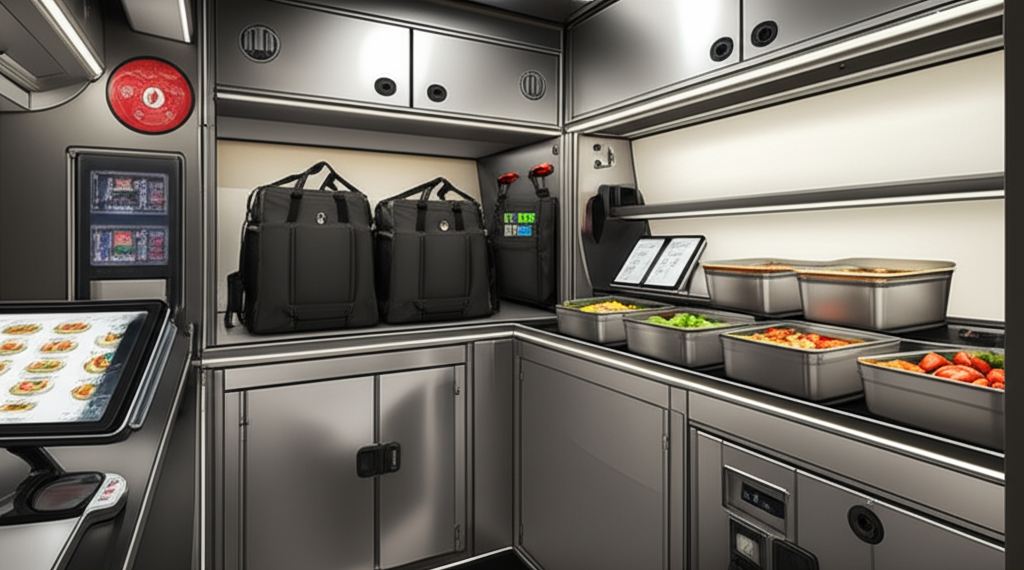
Equip your food delivery truck with reliable, commercial-grade kitchen equipment that fits your menu. This includes refrigeration, cooking appliances (grills, fryers, ovens), prep stations, and sanitation facilities. Efficient layout and durable equipment are crucial for high-volume service.
Operational Efficiency and Logistics
Smooth operations are key to managing demand and ensuring customer satisfaction. This involves efficient inventory management, streamlined cooking processes, and smart route planning for your food delivery truck. Every aspect should be optimized for speed and quality.
Inventory Management and Food Safety
Implementing a robust inventory management system helps prevent spoilage and ensures you always have the necessary ingredients. Strict adherence to food safety protocols, including proper storage and handling, is non-negotiable to protect your customers and your reputation.
Streamlining the Ordering and Preparation Process
Minimize customer wait times by optimizing your order-taking and food preparation workflow. Consider using a point-of-sale (POS) system that can handle orders efficiently and integrate with your kitchen operations. A well-practiced rhythm in the kitchen is essential.
Proven Growth Strategies for Your Food Delivery Truck
Once your food delivery truck is operational, focus on strategies that drive customer acquisition, retention, and overall business expansion. These proven methods will help you build a sustainable and growing enterprise.
Leveraging Digital Platforms and Social Media
In today’s digital age, a strong online presence is vital for any food business, especially a mobile one. Utilize social media and online ordering platforms to connect with customers and drive traffic to your truck. Your online footprint is as important as your physical one.
Online Ordering Systems and Delivery Apps
Partnering with popular food delivery apps (like Uber Eats, DoorDash, Grubhub) can significantly expand your customer base. Offering your own online ordering system through your website or a dedicated app provides another channel for direct sales and customer engagement. This dual approach captures a wider market.
Social Media Marketing and Engagement
Actively use platforms like Instagram, Facebook, and Twitter to showcase your delicious food, announce your daily locations, and interact with customers. High-quality photos and engaging content can create buzz and drive foot traffic to your food delivery truck. Consistent engagement builds a community.
Building Customer Loyalty and Repeat Business
Acquiring new customers is important, but retaining existing ones is often more cost-effective and builds a stronger brand. Implement strategies that encourage customers to return to your food delivery truck time and again. Loyalty programs are a proven method for this.
Loyalty Programs and Rewards
Offer a loyalty program, such as a punch card or a digital rewards system, to incentivize repeat purchases. Discounts for frequent customers or exclusive offers for your most loyal patrons can foster a strong sense of appreciation and encourage continued patronage.
Gathering and Responding to Customer Feedback
Actively solicit feedback from your customers, both positive and negative, through surveys, social media, or direct conversations. Responding promptly and constructively to feedback shows you value their input and are committed to improving their experience. This is crucial for refining your offerings.
Expanding Your Service Offerings
To sustain growth, consider diversifying your services beyond daily street vending. This can open up new revenue streams and solidify your food delivery truck’s position in the market. Think about how you can serve customers in different ways.
Event Catering and Private Bookings
Your food delivery truck is perfectly suited for catering private events, corporate lunches, weddings, and parties. Actively market your catering services to local businesses and individuals looking for unique and convenient food solutions. This is a significant growth area.
Menu Expansion and Seasonal Specials
Periodically introduce new menu items or seasonal specials to keep your offerings fresh and exciting. This can attract new customers and encourage existing ones to try something different, preventing menu fatigue and maintaining customer interest in your food delivery truck.
Navigating Regulations and Compliance for Your Food Delivery Truck
Operating a food delivery truck requires careful attention to local health codes, permits, and licensing. Understanding and adhering to these regulations is essential for legal operation and maintaining a good reputation. Compliance is not an option; it’s a necessity.
Permits, Licenses, and Health Codes
Research and obtain all necessary permits and licenses from your local city and county health departments. This includes food handler permits, mobile food vendor licenses, and vehicle inspections. Familiarize yourself with all health and safety regulations applicable to food trucks in your operating area.
Understanding Zoning and Parking Restrictions
Be aware of local zoning laws and parking restrictions that may affect where and when your food delivery truck can operate. Some cities have designated zones or require permits for vending in specific public spaces. Proactive research prevents costly violations.
Vehicle Maintenance and Safety Standards
Regular maintenance of your food delivery truck is crucial for reliability and safety. Ensure your vehicle and its kitchen equipment meet all safety standards, including fire suppression systems and proper ventilation. A safe operation is a sustainable operation.
Regular Vehicle Inspections and Servicing
Schedule regular mechanical inspections and servicing for your truck to prevent breakdowns. This includes checking tires, brakes, engine, and all essential systems. A well-maintained vehicle minimizes downtime and ensures you can reliably serve your customers.
Kitchen Equipment Safety Checks
Regularly inspect all kitchen equipment for proper functioning and safety. Ensure fire extinguishers are accessible and charged, and that all gas lines and electrical components are in good working order. Safety in the kitchen is paramount for both your staff and your customers.
Measuring Success and Adapting for Future Growth
Continuously tracking your performance and adapting your strategies based on data is key to long-term success for your food delivery truck. Understanding what works and what doesn’t allows for informed decision-making and continuous improvement. Data is your roadmap to growth.
Key Performance Indicators (KPIs) for Food Trucks
Monitor essential KPIs such as daily sales, average order value, customer count, and food cost percentage. Tracking these metrics provides insights into your business’s financial health and operational efficiency. These numbers tell the story of your performance.
Analyzing Sales Data and Customer Trends
Regularly review your sales data to identify popular menu items, peak operating hours, and profitable locations. Understanding customer preferences and purchasing habits allows you to refine your menu and optimize your operating schedule for maximum impact. Data analysis fuels smart decisions.
Adapting to Market Changes and Customer Demand
The food delivery landscape is constantly evolving. Stay informed about industry trends, competitor activities, and changing customer preferences. Be prepared to adapt your menu, pricing, or operating model to meet these shifts and maintain a competitive edge. Agility is key to survival and growth.
Menu Innovation and Culinary Trends
Keep your menu fresh by incorporating new culinary trends or offering seasonal specials. This can attract new customers and re-engage existing ones. Staying innovative ensures your food delivery truck remains exciting and relevant.
Responding to Economic and Social Factors
External factors like economic downturns or shifts in consumer behavior can impact your business. Be prepared to adjust your pricing, offer value deals, or explore new service models to adapt to these broader influences. Resilience is built on adaptability.
The Future of Food Delivery Trucks and Expansion
The food delivery truck model is continuously evolving, offering exciting opportunities for growth and innovation. Embracing new technologies and service models can propel your business forward. The future is bright for those willing to adapt.
Technological Integration for Enhanced Operations
Embrace technology to streamline operations, improve customer experience, and gain a competitive advantage. From advanced POS systems to real-time tracking, technology can revolutionize how your food delivery truck functions. Innovation drives efficiency.
Utilizing Data Analytics for Business Insights
Leverage data analytics to understand customer behavior, optimize inventory, and predict demand. This data-driven approach can lead to more informed decisions and a more profitable business model for your food delivery truck. Insight leads to better strategy.
Exploring New Service Models and Expansion Avenues
Consider expanding your business beyond a single food delivery truck. This could involve adding more trucks, opening a brick-and-mortar location, or developing a catering-specific division. Diversification is a powerful growth engine.
Commissary Kitchens and Multi-Truck Operations
Operating a commissary kitchen can centralize food preparation, improve efficiency, and allow for easier management of multiple food delivery trucks. This scaled approach can significantly increase your operational capacity and market reach. Scale your success.
Franchising and Brand Licensing Opportunities
For established and successful food delivery truck businesses, franchising or brand licensing can be a lucrative expansion strategy. This allows others to replicate your success under your brand, generating revenue and increasing your market presence significantly. Share your proven model.
Conclusion: Your Food Delivery Truck, Your Path to Proven Growth
The food delivery truck offers a dynamic and accessible pathway to success in the thriving food service industry. By focusing on a strong business foundation, leveraging digital tools, prioritizing customer satisfaction, and embracing innovation, you can achieve remarkable growth. Your food delivery truck is more than just a vehicle; it’s a platform for culinary entrepreneurship and sustained success.
Frequently Asked Questions about Food Delivery Trucks
What are the biggest challenges when starting a food delivery truck business?
The primary challenges include navigating complex local regulations and permits, securing adequate funding for the truck and equipment, and developing a strong marketing strategy to attract customers in a competitive market. Effective planning is crucial to overcome these hurdles.
How do I choose the right location for my food delivery truck?
Research high-traffic areas, consider proximity to potential customers (office buildings, parks, event venues), and investigate local regulations regarding vending locations. Analyzing foot traffic and understanding competitor presence are key factors in selecting the optimal spot.
What is the average startup cost for a food delivery truck?
Startup costs can vary widely, but typically range from $30,000 to $150,000 or more, depending on the vehicle type, equipment quality, customization, and initial permits. A well-equipped, custom-built truck will naturally be at the higher end of this spectrum.
How important is social media for a food delivery truck’s success?
Social media is incredibly important for food delivery trucks. It’s essential for announcing your daily locations, showcasing your menu, engaging with customers, and building brand awareness. A strong social media presence directly drives traffic to your truck.
Can a food delivery truck be profitable?
Yes, a food delivery truck can be very profitable. Success depends on a well-executed business plan, efficient operations, a desirable menu, smart location choices, and effective marketing. Many food trucks achieve significant profitability.
What kind of permits are usually required to operate a food delivery truck?
Typically, you’ll need a business license, a mobile food vendor permit, health department permits, food handler certifications for staff, and possibly specific permits for parking or operating in certain public areas. Requirements vary significantly by city and county.

Belayet Hossain is a Senior Tech Expert and Certified AI Marketing Strategist. Holding an MSc in CSE (Russia) and over a decade of experience since 2011, he combines traditional systems engineering with modern AI insights. Specializing in Vibe Coding and Intelligent Marketing, Belayet provides forward-thinking analysis on software, digital trends, and SEO, helping readers navigate the rapidly evolving digital landscape. Connect with Belayet Hossain on Facebook, Twitter, Linkedin or read my complete biography.