


Published on: 04/11/2025 | Updated on: November 4, 2025
Learning phone repair takes anywhere from a few weeks to several months, depending on your learning method, dedication, and the complexity of repairs you aim for. Practical experience is key, and structured courses can accelerate your progress significantly.
Fixing a cracked phone screen or a dead battery might seem daunting. Many people worry about damaging their device further. It’s a common concern for anyone thinking about diving into phone repair. But don’t let that stop you. This guide will break down exactly how long it takes to become skilled at fixing phones. We’ll look at different learning paths and what factors influence your speed.
What Does “Learning Phone Repair” Really Mean?
Learning phone repair means gaining the skills to diagnose problems and fix them. This involves understanding how phones work. You need to know which parts do what. Then, you learn how to safely take them apart and put them back together. It also means knowing how to handle delicate components without causing more damage.
The Quickest Path: Basic Screen and Battery Replacements
Many beginners start with simple repairs. These are often the most common issues. Cracked screens and worn-out batteries are prime examples. Learning these tasks can be quite fast. With good tutorials and practice, you might master them in a few weeks.
Screen Replacement: This usually involves removing the old screen and connecting a new one.
Battery Replacement: This often means opening the phone and swapping the old battery for a new one.
These repairs teach you basic disassembly and reassembly. They are great starting points for any aspiring technician.
Intermediate Skills: Expanding Your Repair Toolkit
Once you’re comfortable with screens and batteries, you can move to more complex jobs. This level involves fixing things like charging ports, speakers, or cameras. Learning these takes a bit more time. You’ll need to understand more about internal components.
Charging Ports: These can be tricky. Sometimes they need soldering.
Cameras and Speakers: These parts are often connected by small ribbon cables. You need steady hands.
Mastering these skills might take a couple of months of dedicated practice. You’ll start building a stronger understanding of phone internals.
Advanced Techniques: Diving into Motherboard Repair
The most challenging aspect of phone repair is motherboard work. This involves fixing issues on the phone’s main circuit board. It often requires microsoldering skills. This is a specialized area that demands precision and patience.
Microsoldering: This is fixing tiny components on the motherboard. It requires special tools and a lot of practice.
Component Level Repair: This means identifying and replacing faulty chips or circuits.
Learning advanced motherboard repair can take six months to a year or even longer. It’s a continuous learning process. Many professional technicians keep honing these skills.
Factors Influencing Your Learning Speed
Several things affect how quickly you learn phone repair. Your personal learning style is a big one. How much time you can dedicate is also crucial. The quality of your learning resources matters a lot.
1. Learning Method

There are different ways to learn phone repair. Each has its own timeline.
Self-Taught (Online Tutorials): You can find many free videos. These are great for basic repairs. However, they lack structured guidance. This path can take longer.
Online Courses: Structured online courses offer a clear path. They often include theory and practical advice. This can speed up learning significantly.
In-Person Training/Apprenticeship: This is usually the fastest way. You get hands-on experience with expert guidance. This is ideal for mastering complex repairs.
2. Dedication and Practice
Consistent practice is vital for skill development. The more you practice, the faster you learn. Even 30 minutes a day can make a difference. Working on different phone models also broadens your experience.
3. Prior Experience with Electronics
If you already have some experience with electronics, you might learn faster. Understanding basic circuitry and tools helps. Familiarity with small components is also an advantage.
4. Quality of Tools and Equipment
Using the right tools makes a huge difference. Good quality tools are easier to use. They also reduce the risk of damage. Investing in a solid repair kit is essential.
Essential Tools: Screwdriver sets, spudgers, suction cups, tweezers.
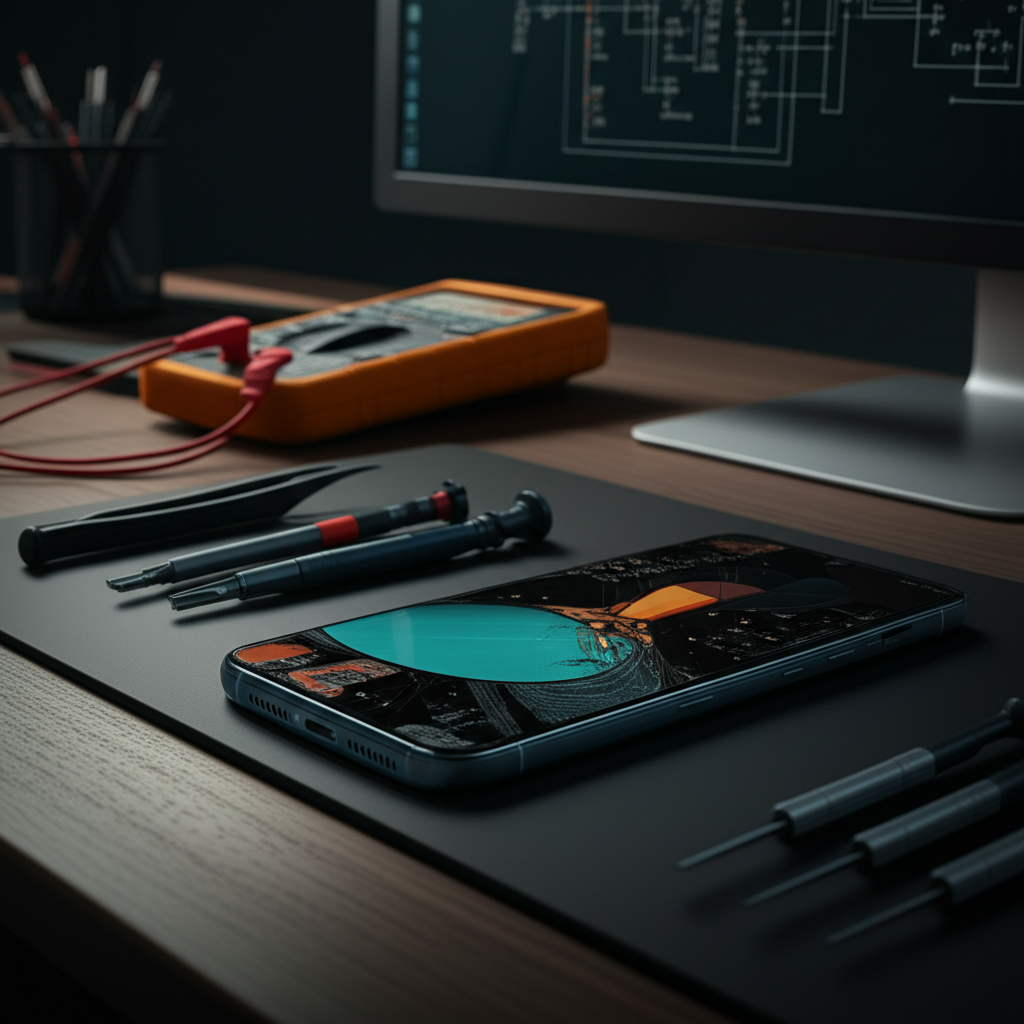
Advanced Tools: Multimeter, soldering iron, microscope, ESD strap.
Having access to these tools from the start helps you practice correctly.
Structured Learning: The Fastest Route to Proficiency
Formal training can dramatically cut down learning time. Many schools and training centers offer phone repair courses. These programs are designed to teach you efficiently. They cover everything from basic diagnostics to advanced techniques.
Online Courses for Phone Repair
There are many online platforms offering phone repair courses. These courses often include video lessons, quizzes, and sometimes even practical assignments. They provide a structured curriculum. This helps you learn in a logical order.
Professional Training Centers and Apprenticeships
Attending a professional training center or an apprenticeship offers the most direct path. You work under experienced technicians. You get real-world experience. This is invaluable for building confidence and speed.
DIY vs. Professional Training: A Time Comparison
Let’s compare how long it might take using different methods. These are estimates, of course.
| Learning Method | Basic Repairs (Weeks) | Intermediate Repairs (Months) | Advanced Repairs (Months/Years) |
| :————————— | :——————– | :—————————- | :—————————— |
| Self-Taught (Online Videos) | 3-6 | 6-12 | 1-3+ |
| Structured Online Courses | 2-4 | 4-8 | 8-24+ |
| In-Person Training/Apprentice | 1-3 | 3-6 | 6-18+ |
As you can see, structured learning significantly shortens the time needed.
Key Skills You Need to Master
Learning phone repair involves mastering several key skills. These are crucial for success.
1. Diagnostics
Before you can fix a phone, you need to know what’s wrong. Diagnostics involve troubleshooting. You use tests and observations to pinpoint the issue. This skill takes practice. Learning to ask the right questions is part of it.
2. Disassembly and Reassembly
Phones are complex. You need to know how to open them without breaking anything. This includes understanding screw types and clip placements. Reassembling correctly is just as important.
3. Component Replacement
This is the core of most repairs. You’ll learn to remove faulty parts and install new ones. This requires precision. You’ll handle delicate connectors and fragile components.
4. Soldering and Microsoldering (Advanced)
For motherboard repairs, soldering is essential. Microsoldering is a high-level skill. It involves working with extremely small parts. This requires specialized training and equipment.
5. ESD (Electrostatic Discharge) Protection
Electrostatic discharge can damage sensitive phone components. Learning to protect against ESD is critical. This involves using anti-static mats and wrist straps. It’s a fundamental safety practice. You can learn more about what ESD is from the ESD Association.
Essential Tools for Learning Phone Repair
Having the right tools makes learning much easier and safer. Here’s a basic list.
Precision Screwdriver Set: For tiny screws.
Spudger and Pry Tools: To gently open phone casings.
Tweezers: For handling small parts and cables.
Suction Cup: To lift screens.
Heat Gun or iOpener: To soften adhesive.
Anti-Static Wrist Strap: For ESD protection.
Magnifying Glass or Microscope: To see small components.
Multimeter (for advanced users): To test electrical currents.
These tools help you perform repairs correctly and safely.
Real-World Examples: How Long It Took Others
Many people have shared their learning journeys online. For example, some DIY enthusiasts learned screen replacement in a weekend. They used YouTube tutorials. Others who wanted to start a repair business took a two-week intensive course. They felt confident handling common repairs afterward.
A former student of a local repair academy shared: “I learned the basics in about a month. By month three, I was doing most common repairs on my own. Motherboard repair took much longer, another six months of dedicated study.” This shows a realistic progression.
Common Pitfalls to Avoid When Learning
When learning phone repair, it’s easy to make mistakes. Knowing these pitfalls can help you learn faster and safer.
Skipping ESD Protection: This is a common mistake. It can lead to component failure.
Using Incorrect Tools: Forcing parts can break them. Always use the right tool for the job.
Not Following Tutorials Carefully: Rushing through steps can lead to errors. Patience is key.
* Trying Advanced Repairs Too Soon: Start with basics. Build your skills gradually.
Avoiding these helps prevent costly mistakes.
The Role of Patience and Persistence
Phone repair can be frustrating at times. You’ll encounter issues you don’t expect. Patience is crucial. Persistence is what keeps you going when things get tough. Don’t give up if a repair doesn’t work the first time. Learn from it.
Frequently Asked Questions (FAQ)
How long does it take to learn basic phone repair?
You can learn basic repairs like screen and battery replacements in about 2-6 weeks with consistent practice.
Is phone repair a difficult skill to learn?
It requires patience and attention to detail. Basic repairs are not too difficult, but advanced repairs like motherboard work are challenging.
Can I learn phone repair from YouTube videos alone?
YouTube is a great resource for visual guides, but it lacks structured learning. You can learn basics, but advanced skills might require more formal training.
What is the most important tool for a beginner?
A good quality precision screwdriver set is essential for opening most phones.
How long does it take to become a professional phone repair technician?
To be proficient in most repairs, including intermediate ones, it might take 3-6 months of dedicated learning and practice.
Do I need to know how to solder to repair phones?
For basic repairs like screens and batteries, no. But for advanced motherboard repairs, soldering and microsoldering skills are necessary.
Is it worth learning phone repair?
Yes, if you enjoy working with electronics, it can be a rewarding hobby or a viable career path with growing demand.
Conclusion
So, how long does it take to learn phone repair? The answer is flexible. For basic fixes, a few weeks of dedicated effort can suffice. Mastering intermediate repairs might take several months. Advanced techniques, like motherboard repair, require significant time, often a year or more, and continuous learning. Your chosen learning method, practice frequency, and prior experience all play a role. But with the right approach and tools, you can become a competent phone repair technician. Start with the basics, be patient, and keep practicing. The journey into phone repair is achievable for anyone willing to learn.

Belayet Hossain is a Senior Tech Expert and Certified AI Marketing Strategist. Holding an MSc in CSE (Russia) and over a decade of experience since 2011, he combines traditional systems engineering with modern AI insights. Specializing in Vibe Coding and Intelligent Marketing, Belayet provides forward-thinking analysis on software, digital trends, and SEO, helping readers navigate the rapidly evolving digital landscape. Connect with Belayet Hossain on Facebook, Twitter, Linkedin or read my complete biography.