
Published on: 07/11/2025 | Updated on: November 7, 2025
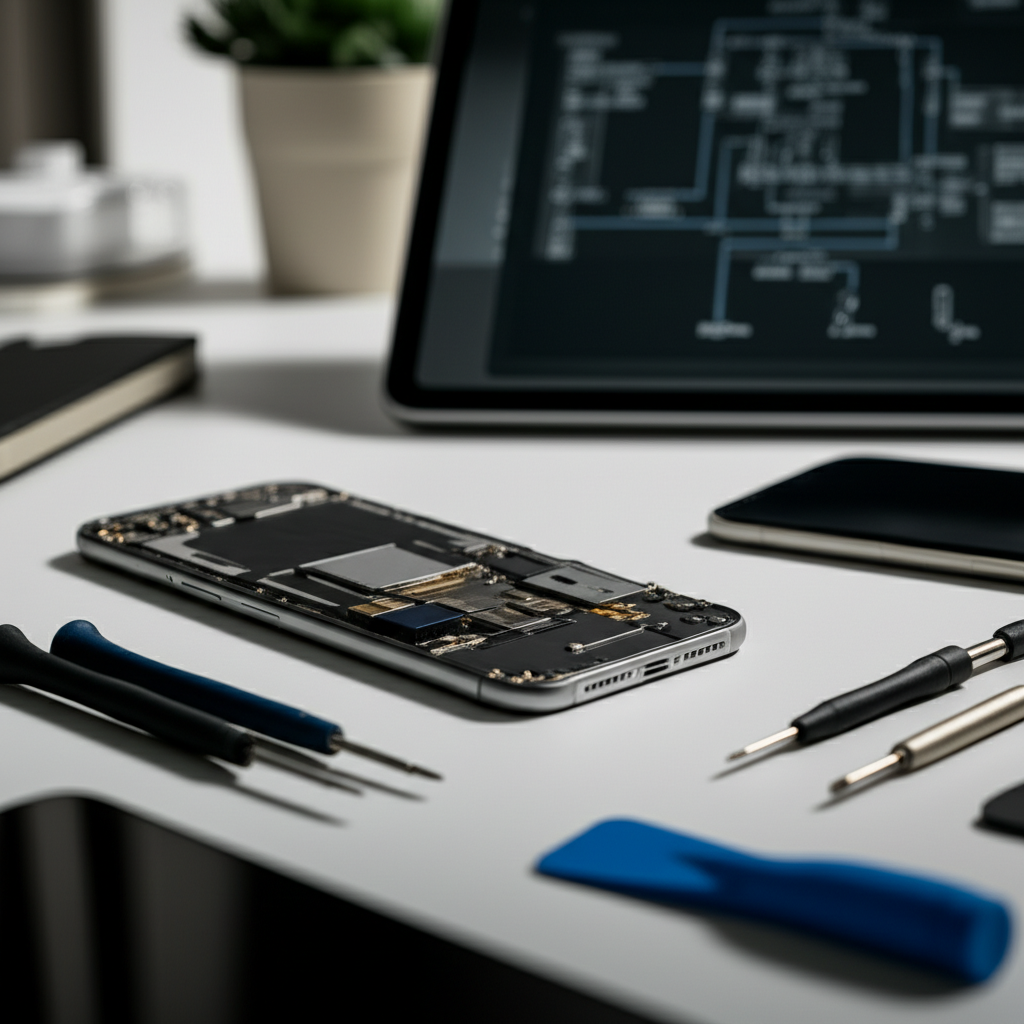
Understanding how much phone repair cost involves many factors, from the phone model and the type of damage to the repair service you choose. Expect costs to range from $30 for minor fixes like battery replacements to over $400 for complex motherboard issues, with screen repairs averaging $100-$300.
When your phone screen cracks or its battery dies, it’s a stressful moment. You wonder about the repair cost. Will it be cheap? Will it be too expensive? This guide will help you understand phone repair costs. We will look at what makes repairs cost more or less. You will learn how to get the best price. Let’s dive in and make fixing your phone easier.
Why Phone Repair Costs Vary So Much
The price you pay for phone repair depends on many things. It’s not a one-size-fits-all answer. The phone’s brand and model are big factors. Newer, high-end phones often have more expensive parts. The type of damage also matters a lot. A simple screen fix is cheaper than fixing internal components.
The place you go for repair makes a difference too. Official repair centers are usually pricier. Independent shops can be more affordable. Sometimes, the quality of the replacement parts affects the cost. Using OEM (Original Equipment Manufacturer) parts costs more than generic ones.
Common Phone Repairs and Their Average Costs
Let’s break down the typical costs for common phone problems. This will give you a clearer picture.
Screen Replacement

This is the most frequent repair. A cracked screen is annoying and can make your phone hard to use.
Cost Range: $30 to $300 or more.
Factors:
Phone Model: iPhones and high-end Androids cost more.
Screen Type: OLED screens are pricier than LCD screens.
Repairer: Official Apple stores or Samsung repair centers charge more.
Snippet Answer: Screen replacement costs vary widely, from about $30 for older models to $300+ for flagship phones with OLED displays. The specific model and repair provider significantly impact the final price.
Battery Replacement
Batteries degrade over time. A worn-out battery won’t hold a charge.
Cost Range: $30 to $100.
Factors:
Phone Model: Newer phones might have batteries that are harder to access.
Battery Quality: Genuine batteries cost more than aftermarket ones.
Snippet Answer: Replacing a phone battery typically costs between $30 and $100. Newer phone models or those requiring complex disassembly may fall on the higher end of this range.
Charging Port Repair
If your phone won’t charge, it might be a faulty charging port.
Cost Range: $40 to $150.
Factors:
Port Type: USB-C ports can differ in complexity.
Internal Damage: Sometimes the issue is deeper than just the port itself.
Snippet Answer: Charging port repairs usually range from $40 to $150. The complexity of accessing the port and whether other internal components are affected will influence the cost.
Water Damage Repair
Water damage is one of the trickiest and most expensive issues.
Cost Range: $70 to $500+.
Factors:
Severity: How much water got in and where.
Affected Components: Damage to the motherboard is very costly.
Snippet Answer: Water damage repair costs can be high, from $70 to over $500. The extent of internal damage, especially to the motherboard, dictates the price.
Camera Repair
A broken phone camera means no more great photos.
Cost Range: $50 to $250.
Factors:
Camera Type: Front or rear camera, single or multiple lenses.
Phone Model: High-end phones have advanced camera systems.
Snippet Answer: Repairing a phone camera typically costs between $50 and $250. The price depends on whether it’s the front or rear camera and the phone’s model complexity.
Factors Influencing Phone Repair Costs
Several key elements determine how much your phone repair will ultimately cost. Understanding these can help you budget and make informed decisions.
Phone Model and Brand
This is a major cost driver.
High-End Phones: Devices like the latest iPhones or Samsung Galaxy S series have advanced technology. Their parts are more expensive. Repairing them requires specialized tools and expertise.
Mid-Range and Budget Phones: These often use less costly components. Their repair is generally more affordable.
Brand: Some brands have more readily available parts. Others might have proprietary components that drive up costs.
Type of Damage
The nature of the problem directly impacts the price.
External Damage: Screen cracks or bent frames are usually easier to fix. Costs are lower.
Internal Damage: Issues with the motherboard, logic board, or internal sensors are complex. They require more time and skill. This increases the repair cost significantly.
Software Issues: Sometimes, a phone acts up due to software glitches. These can often be fixed with a software reset or update. This is usually cheaper or even free.
Quality of Replacement Parts
Not all parts are created equal.
OEM Parts: These are made by the original phone manufacturer. They offer the best compatibility and performance. They also come with the highest price tag.
Aftermarket Parts: These are made by third-party companies. They can be much cheaper. However, quality can vary greatly. Some may not fit perfectly or perform as well.
Refurbished Parts: These are used parts that have been repaired. They are an option for older phones. Their cost is usually between OEM and new aftermarket parts.
Repair Service Provider
Where you get your phone fixed matters for the price.
Manufacturer Repair: The official Apple Store or Samsung service center. They use genuine parts and trained technicians. This is often the most expensive option but offers the highest assurance of quality.
Authorized Repair Shops: Shops certified by the manufacturer. They also use genuine parts and follow strict protocols. Prices are usually lower than direct manufacturer repairs.
Independent Repair Shops: Local, third-party repair businesses. They often offer the most competitive pricing. Quality can vary, so choose a reputable shop.
DIY Repair: Doing it yourself can be the cheapest option. But it requires tools and technical skill. There’s also a risk of causing more damage.
Location (GEO-Targeting)
Geographic location can influence labor costs.
Major Cities: Repair services in large urban areas might have higher overhead. This can lead to higher prices.
Rural Areas: Costs might be lower due to less competition and lower operating expenses.
Online Mail-in Services: These can offer competitive pricing as they have lower overhead than physical stores.
DIY vs. Professional Phone Repair Costs
Deciding whether to fix it yourself or take it to a pro involves weighing cost, risk, and time.
Do-It-Yourself (DIY) Repair
This is often the cheapest route if successful.
Cost: You only pay for the replacement part and any necessary tools.
Parts: $10 to $100+ depending on the part and phone model.
Tools: A basic repair kit might cost $20 to $50. Specialized tools can add more.
Pros: Significant cost savings. Satisfaction of fixing your own device.
Cons: Risk of further damage. Requires patience and technical skill. Voiding warranty. Finding the right parts can be tricky.
Snippet Answer: DIY repair is the cheapest option, costing only for parts and tools, typically $30-$150. However, it carries risks of further damage and requires technical skill.
Professional Repair
This offers convenience and expertise.
Cost: Includes parts, labor, and overhead for the repair shop.
Total: $30 to $500+ depending on the repair.
Pros: Done by trained technicians. Often comes with a warranty. Less risk of causing more damage. Saves you time.
Cons: More expensive than DIY. Requires finding a reputable shop.
Snippet Answer: Professional repair costs more, ranging from $30 to $500+, but includes skilled labor and often a warranty, offering peace of mind and convenience.
Essential Tools for Phone Repair (and their Cost)
If you’re considering DIY repairs, you’ll need the right tools. This ensures a smooth and safe repair process.
Basic Repair Toolkit
A good starting kit covers most common repairs.
Contents:
Screwdrivers (Phillips, Pentalobe, Torx)
Spudgers and pry tools
Tweezers
Suction cup
SIM card ejector tool
Cost: $20 – $50 for a decent quality set.
Snippet Answer: A basic phone repair toolkit costs $20-$50 and includes essential tools like screwdrivers, pry tools, and tweezers for common fixes.
Advanced Tools for Specific Repairs
For more complex jobs, you might need specialized equipment.
Heat Gun or Hair Dryer: To soften adhesive. Cost: $20 – $60.
Anti-Static Wrist Strap and Mat: To prevent electrostatic discharge (ESD) damage. Cost: $10 – $30. ESD is like static electricity that can fry phone parts if you’re not careful.
Magnifying Lamp: For seeing tiny components. Cost: $30 – $100.
Soldering Iron and Solder: For motherboard repairs. Cost: $30 – $100+.
Multimeter: To test electrical components. Cost: $20 – $100+.
Snippet Answer: Advanced tools like heat guns, ESD protection, and soldering irons cost an additional $30-$100+ and are needed for more complex repairs.
Tool Cost Summary Table:
| Tool Type | Typical Cost Range | Best For |
| :——————– | :—————– | :——————————————- |
| Basic Toolkit | $20 – $50 | General disassembly, screw removal |
| Heat Gun/Hair Dryer | $20 – $60 | Softening adhesive for screen/back removal |
| ESD Protection | $10 – $30 | Preventing static damage to components |
| Magnifying Lamp | $30 – $100+ | Working with tiny internal parts |
| Soldering Iron | $30 – $100+ | Motherboard repairs, component replacement |
| Multimeter | $20 – $100+ | Testing electrical continuity and voltage |
Understanding Repair Warranties
A warranty offers peace of mind after a repair. It covers defects in the parts or workmanship.
Manufacturer Warranty: Usually the longest, often 1 year.
Independent Shop Warranty: Varies greatly, typically 30 to 90 days.
What’s Covered: Usually defects in the replaced part or the technician’s work.
What’s Not Covered: Accidental damage (like dropping it again) or further water damage.
Snippet Answer: Repair warranties vary from 30 days to a year, covering part defects and workmanship but not new accidental damage. Always ask about the warranty before agreeing to a repair.
How to Get the Best Price on Phone Repair
You want your phone fixed without breaking the bank. Here are some tips to save money.
Shop Around: Get quotes from multiple repair shops. Compare prices for the same service.
Check Reviews: Look for shops with good customer reviews. A cheap repair isn’t worth it if the quality is bad.
Ask About Part Quality: Inquire if they use OEM or high-quality aftermarket parts.
Consider Older Models: If your phone is very old, a professional repair might cost more than the phone is worth.
Look for Deals: Some shops offer discounts or coupons. Follow them on social media or sign up for their newsletters.
DIY for Simple Fixes: If you’re comfortable, simple tasks like battery replacement can save money. Ensure you have the right tools and follow guides carefully.
Snippet Answer: To get the best price, compare quotes from different shops, check reviews, ask about parts quality, and consider DIY for simple repairs.
When Phone Repair Isn’t Worth the Cost
Sometimes, the cost of fixing your phone outweighs its value. This is especially true for older devices.
Age of Phone: If your phone is several years old, a costly repair might not be sensible. You could buy a new, more capable phone for a similar price.
Severity of Damage: Severe damage, like a fried motherboard from water or a major drop, can be extremely expensive to fix. It might exceed the cost of a new phone.
Cost vs. Replacement: Always compare the repair estimate to the price of a new or refurbished phone. A quick search for “how much does a new [your phone model] cost” can help.
Snippet Answer: Phone repair isn’t worth it if the cost is close to buying a new phone, especially for older models or if the damage is severe and very expensive to fix.
The Role of Diagnostics in Repair Cost
Before any repair begins, a good technician will run diagnostics. This process helps pinpoint the exact problem.
What are Diagnostics? It’s like a doctor giving your phone a check-up. Technicians use special software and tools to test all the phone’s functions. This includes the screen, battery, camera, speakers, and internal components.
Why They Matter: Accurate diagnostics prevent unnecessary repairs. They ensure the technician fixes the root cause, not just a symptom. This can save you money in the long run.
Cost of Diagnostics: Some shops charge a diagnostic fee ($20-$50). This fee is often waived if you proceed with the repair.
Snippet Answer: Diagnostics help identify the exact issue, preventing unnecessary repairs and saving money. Some shops charge a fee, often waived if you proceed with the repair.
Protecting Your Phone to Avoid Repair Costs
The best way to save on repair costs is to prevent damage in the first place.
Use a Protective Case: A good case absorbs shock from drops. Choose one with raised edges to protect the screen.
Apply a Screen Protector: This adds a layer of defense against scratches and cracks. Tempered glass protectors are very effective.
Avoid Water Exposure: Keep your phone away from sinks, toilets, pools, and rain. Use waterproof pouches if needed.
Be Careful with Charging: Use certified chargers. Avoid forcing the charging cable into the port.
Keep Software Updated: Updates can fix bugs that might cause performance issues.
* Snippet Answer: Preventing damage with cases, screen protectors, and avoiding water exposure is the best way to avoid future repair costs.
Frequently Asked Questions (FAQ)
Q1: What is the average cost to replace an iPhone screen?
The average cost to replace an iPhone screen ranges from $70 for older models to over $300 for the latest Pro models. Prices vary based on the specific iPhone model and whether you use Apple’s official service or a third-party repair shop.
Q2: How much does it cost to fix a cracked phone screen on an Android?
Cracked Android screen repairs typically cost between $50 and $300. High-end Android phones with OLED displays are more expensive to repair than budget models with LCD screens.
Q3: Is it cheaper to repair my phone or buy a new one?
For minor issues like battery replacement on an older phone, repair is usually cheaper. For major damage or very old phones, buying a new or refurbished device might be more cost-effective than a $200+ repair.
Q4: What are ESD safety precautions in phone repair?
ESD safety means preventing static electricity from damaging sensitive phone components. This involves using an anti-static wrist strap, mat, and touching a grounded metal object before handling parts.
Q5: How long does a typical phone repair take?
Most common repairs, like screen or battery replacements, can often be done in 1-3 hours. More complex issues, such as motherboard repairs, can take several days.
Q6: Can a phone repair shop fix water damage?
Some repair shops can attempt water damage repair, but success is not guaranteed. It involves cleaning corrosion and replacing damaged parts, which can be costly and may not fully restore the phone.
Conclusion: Making an Informed Repair Decision
Understanding how much phone repair cost empowers you. It helps you make smart choices when your device needs attention. From simple battery swaps to complex motherboard fixes, costs vary based on your phone model, the damage type, and the repairer you choose. Always get a clear quote before work begins. Ask about part quality and the warranty offered.
For minor issues or if you’re technically inclined, DIY repair can save money. However, for more complex problems, a reputable professional repair service offers expertise and peace of mind. Remember that preventing damage through cases and careful handling is the most effective way to avoid repair costs altogether. By being informed, you can confidently navigate the world of phone repairs and keep your device running smoothly without overspending.

Belayet Hossain is a Senior Tech Expert and Certified AI Marketing Strategist. Holding an MSc in CSE (Russia) and over a decade of experience since 2011, he combines traditional systems engineering with modern AI insights. Specializing in Vibe Coding and Intelligent Marketing, Belayet provides forward-thinking analysis on software, digital trends, and SEO, helping readers navigate the rapidly evolving digital landscape. Connect with Belayet Hossain on Facebook, Twitter, Linkedin or read my complete biography.