
Published on: 06/09/2025 | Updated on: September 6, 2025
Insulated bags for food delivery are crucial for maintaining food temperature and quality, ensuring customer satisfaction and reducing waste. This guide offers essential, proven tips for choosing, using, and maintaining these vital tools for any delivery service.
Ever ordered your favorite meal, only for it to arrive lukewarm or, worse, cold? It’s a common frustration that can sour even the best dining experience. The culprit is often not the restaurant or the driver, but the equipment used to transport your food. The right insulated bags for food delivery are the unsung heroes of the meal delivery world, silently working to keep your pizza hot and your ice cream frozen. I’ve spent countless hours exploring the world of food delivery, from testing apps to ordering from various services, and I’ve seen firsthand how vital these bags are. This guide will walk you through everything you need to know, ensuring your next delivery is a perfect one. We’ll cover how to choose the best bags, the science behind keeping food at the right temperature, and simple maintenance tips to make them last.
Why Insulated Bags are Non-Negotiable for Food Delivery
Insulated bags for food delivery are the backbone of a successful and satisfying delivery service. They are the primary barrier between your carefully prepared food and the unpredictable external environment. Without them, temperature fluctuations can quickly degrade food quality, impacting taste, texture, and even safety.
The primary function of insulated bags for food delivery is temperature control. They work by creating a barrier that slows down heat transfer, keeping hot foods hot and cold foods cold. This is essential for maintaining food safety standards and delivering an enjoyable customer experience.
Think of these bags as a mobile, insulated pantry. They prevent the rapid cooling of hot meals and the thawing of frozen goods during transit. This ensures that the food arrives at the customer’s doorstep in the same condition it left the restaurant or kitchen.
The Science Behind the Warmth (and Coldness): How Insulated Bags Work
Understanding the basic principles of heat transfer helps us appreciate why insulated bags for food delivery are so effective. These bags don’t generate heat or cold; instead, they act as a buffer against the elements. They utilize materials designed to minimize conduction, convection, and radiation.
Conduction is the transfer of heat through direct contact. The insulating materials in the bags, like foam or air pockets, have low thermal conductivity, meaning they resist this transfer. This keeps the heat from escaping a hot meal or the cold from entering a chilled item.
Convection is heat transfer through the movement of fluids (liquids or gases). A well-sealed insulated bag minimizes air circulation, preventing the warm air inside from escaping and cold air from entering. This trapped air or specific insulating materials create a still environment that slows down convective heat loss or gain.
Radiation is heat transfer through electromagnetic waves. While less significant than conduction and convection in this context, the outer surfaces of some insulated bags are designed to reflect radiant heat, further aiding in temperature retention. This layered approach ensures your food stays at its intended temperature for longer.
Types of Insulated Bags for Food Delivery: Finding Your Perfect Fit
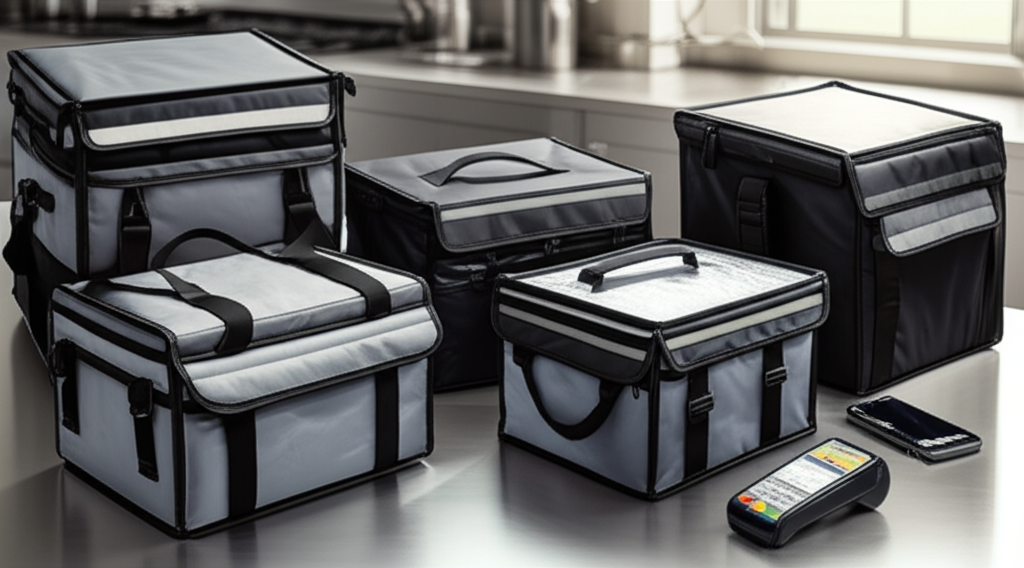
The market offers a variety of insulated bags for food delivery, each suited for different needs and types of food. Choosing the right type can significantly impact the quality of your deliveries and customer satisfaction. From basic foldable bags to robust, multi-compartment carriers, there’s an option for every delivery scenario.
Foldable Insulated Bags: These are often the most budget-friendly and versatile option. They are lightweight, easy to store when not in use, and come in various sizes. They are excellent for general food delivery services where a mix of hot and cold items might be transported.
Hard-Shell Insulated Carriers: These offer superior protection and insulation. Their rigid structure prevents crushing of delicate items and provides a more robust barrier against extreme temperatures. They are ideal for transporting larger orders or items that require significant protection.
Backpack-Style Insulated Bags: Popular with many delivery drivers, these allow for hands-free operation and can carry a substantial amount of food. They often feature multiple compartments for better organization and temperature separation. These are a great choice for services that prioritize driver mobility and efficiency.
Pizza Delivery Bags: Specifically designed to keep pizzas hot and crisp, these bags are typically flatter and wider. They often have features like reinforced bottoms to prevent sogginess and internal baffles to maintain airflow for crisp crusts.
Soft-Sided Insulated Totes: These are a middle ground between foldable bags and hard-shell carriers. They offer good insulation and durability while remaining relatively lightweight and flexible. Many come with sturdy handles and adjustable shoulder straps for comfortable carrying.
Consider the volume of food you typically deliver, the types of food (hot, cold, frozen, delicate), and your preferred mode of transport when making your selection. A well-chosen bag is an investment in quality.
Key Features to Look for in Quality Insulated Bags for Food Delivery
When selecting insulated bags for food delivery, several features contribute to their performance and longevity. Focusing on these aspects will help you make an informed decision and ensure your investment pays off. A good bag isn’t just about insulation; it’s about smart design and durable materials.
Insulation Material: Look for bags with thick, high-density foam insulation or advanced materials like aerogel for superior thermal performance. The thicker the insulation, the better it will resist temperature changes.
Outer Shell Durability: The exterior should be made of robust, water-resistant, and easy-to-clean materials like heavy-duty nylon or polyester. This protects the insulation and withstands the rigors of daily use.
Sealing and Zippers: Airtight seals are crucial. Look for bags with strong, high-quality zippers that close tightly, preventing air leaks. Velcro closures can also be effective if they are wide and secure.
Internal Structure and Compartments: For delivering a variety of items, bags with internal dividers or multiple compartments are invaluable. This helps maintain temperature separation between hot and cold foods and prevents items from shifting.
Reinforced Handles and Straps: The carrying mechanism should be strong and comfortable, able to support the weight of a full bag without tearing or becoming uncomfortable.
Ventilation (for specific items): While general insulation aims to prevent air exchange, some bags, especially pizza bags, might have subtle ventilation features to prevent condensation and maintain crispness.
Ease of Cleaning: Food delivery can be messy. Opt for bags with smooth, wipeable interiors and exteriors that can be easily cleaned and sanitized.
By prioritizing these features, you’ll find insulated bags for food delivery that not only perform well but also last.
Maximizing Insulation: Proven Techniques for Using Insulated Bags Effectively
Simply owning good insulated bags for food delivery isn’t enough; how you use them is equally important. Proper packing techniques can significantly extend the time your food stays at the desired temperature. These methods ensure the bags work at their full potential.
Pre-condition the Bag: Before packing food, warm up hot bags by placing them in a warm environment or using a food-safe heat pack. For cold bags, chill them in a freezer or use cold packs. This primes the bag to maintain the food’s initial temperature.
Pack Strategically: Place hot items together and cold items together. Use dividers or separate bags to keep them apart. Fill any empty space in the bag with crumpled paper or towels to minimize air volume, as less air means slower temperature transfer.
Avoid Overfilling or Underfilling: An overfilled bag can compromise the seal, while an underfilled bag has too much air space. Aim for a snug fit that allows the bag to close securely.
Utilize Additional Insulation: For extremely long delivery routes or very hot/cold weather, consider adding extra insulation. This could include food-safe heat packs for hot items or extra ice packs for cold items, ensuring they are properly contained and won’t leak.
Minimize Opening Time: Each time the bag is opened, temperature is lost. Have all items ready to pack or unpack quickly to reduce exposure to the outside environment.
Layering is Key: For very hot items, wrapping them in foil before placing them in the bag can provide an extra layer of thermal protection. Similarly, wrapping cold items can help them retain their chill longer.
Implementing these simple yet effective techniques will elevate the performance of your insulated bags for food delivery.
Maintaining Your Insulated Bags for Food Delivery: Longevity and Hygiene
Proper care and maintenance are crucial for ensuring your insulated bags for food delivery remain effective and hygienic over time. Regular cleaning and occasional checks will prolong their lifespan and maintain their insulating properties. Hygiene is paramount in food service.
Daily Cleaning: After each use, wipe down the interior and exterior of the bag with a damp cloth and mild, food-safe detergent. Pay attention to any spills or residue.
Deep Cleaning: For more thorough cleaning, follow the manufacturer’s instructions. Some bags can be hand-washed with warm, soapy water, while others may be machine washable on a gentle cycle. Ensure they are thoroughly dried before storing to prevent mold and mildew.
Sanitization: Regularly sanitize the inside of the bags to kill any lingering bacteria. A food-grade sanitizer or a diluted bleach solution (followed by a thorough rinse and air dry) can be effective. Always check the bag’s material compatibility with sanitizers.
Inspect for Damage: Periodically check the seams, zippers, and handles for any signs of wear and tear. Damaged bags can lose their insulating efficiency and may harbor bacteria in compromised areas.
Proper Storage: Store bags in a cool, dry place, preferably unzipped or loosely closed to allow for air circulation and prevent odors from building up. Avoid storing heavy items on top of them, which can crush the insulation.
By following these maintenance tips, your insulated bags for food delivery will remain in top condition, ensuring consistent quality for every order.
The Impact of Weather on Insulated Bags and Delivery Success
External weather conditions can be a significant challenge for insulated bags for food delivery. Extreme heat or cold can test the limits of even the best-designed bags, making smart usage even more critical. Understanding these impacts helps in planning and preparation.
Hot Weather: In high temperatures, insulated bags work to keep the ambient heat out. However, prolonged exposure can still lead to gradual warming of food. Pre-chilling bags and using ample cold packs are essential strategies during summer months.
Cold Weather: Conversely, cold weather accelerates the cooling of hot food. Thick insulation and minimizing the time the bag is open are paramount. For drivers in very cold climates, insulated bags might need to be supplemented with additional heat sources or faster delivery times.
Rain and Snow: Water resistance is a key feature for insulated bags for food delivery. If the outer material becomes saturated, it can compromise the bag’s insulating properties. Ensuring your bag has a waterproof or highly water-resistant exterior is vital for deliveries in inclement weather.
Wind: While less direct, wind can contribute to faster cooling by increasing convective heat loss, especially if the bag is not perfectly sealed or if the driver is on a motorcycle or bicycle.
Adapting your usage of insulated bags to the prevailing weather conditions is a hallmark of a professional delivery service.
Beyond the Bag: Additional Tips for Perfect Food Delivery Temperature
While insulated bags for food delivery are the primary tool, several other factors contribute to ensuring food arrives at the perfect temperature. These elements, combined with the bag’s function, create a seamless delivery experience. It’s a holistic approach to food transport.
Packaging Quality: The quality of the food’s original packaging plays a role. Sturdy, well-sealed containers prevent leaks and help retain heat or cold. Restaurants using high-quality, temperature-appropriate packaging are already a step ahead.
Delivery Route Optimization: Shorter delivery routes mean less time for temperature to fluctuate. Efficient route planning is crucial, especially during peak delivery hours or challenging weather conditions. Many delivery apps offer optimization tools for drivers.
Communication: Clear communication between the customer, restaurant, and driver can help manage expectations. If there are known delays or challenging conditions, informing the customer can mitigate disappointment.
Driver Training: Educating delivery personnel on the best practices for using insulated bags and handling food properly is essential. This includes understanding temperature zones and how to maintain them.
Food Holding Practices: Restaurants should have efficient systems for holding food at the correct temperature before pickup. This ensures the food is at its ideal temperature when it enters the insulated bag.
These complementary strategies work in tandem with insulated bags for food delivery to guarantee customer satisfaction.
Choosing the Right Insulated Bags for Your Food Delivery Business
For businesses, selecting the right insulated bags for food delivery is a strategic decision. It impacts operational efficiency, customer satisfaction, and brand reputation. Investing in quality bags is an investment in your business’s success.
Consider Your Menu: If you primarily deliver hot meals, focus on bags with superior heat retention. If you handle a mix of hot and cold items, look for multi-compartment bags. For delicate items like pastries or desserts, protective, rigid carriers might be necessary.
Evaluate Durability and Longevity: Opt for bags made from high-quality materials that can withstand daily use and frequent cleaning. While cheaper options exist, they often need replacement sooner, increasing long-term costs.
Prioritize Ease of Cleaning and Hygiene: In the food industry, cleanliness is non-negotiable. Choose bags that are easy to wipe down and sanitize thoroughly.
Budget vs. Quality: While budget is always a consideration, it’s essential to balance cost with quality. A slightly more expensive, durable bag can save money in the long run through reduced replacements and better customer retention.
Driver Comfort and Ergonomics: If drivers are using backpack-style bags, consider their comfort and ease of use. Well-designed straps and weight distribution can improve driver satisfaction and efficiency.
Volume and Capacity: Ensure the bags you choose can accommodate the typical order sizes for your service. Having a range of sizes can be beneficial.
Ultimately, the best insulated bags for food delivery are those that align with your specific operational needs and quality standards.
Frequently Asked Questions About Insulated Bags for Food Delivery
Here are answers to some common questions about insulated bags for food delivery.
What is the most important factor when choosing an insulated bag for food delivery?

The most important factor is its ability to maintain the target temperature (hot or cold) for the duration of the delivery. This is achieved through quality insulation, a good seal, and durable construction.
How long can insulated bags keep food hot or cold?
This varies greatly depending on the quality of the bag, the ambient temperature, how full the bag is, and how often it’s opened. High-quality bags can keep food hot for 1-2 hours and cold for several hours.
Can I use the same bag for hot and cold food?
It’s best to use separate bags or bags with well-designed compartments to prevent temperature transfer. If you must use one bag, ensure there’s a significant barrier between hot and cold items and deliver them promptly.
How often should insulated bags be cleaned?
Insulated bags should be cleaned daily after use with a mild detergent and water. Deep cleaning and sanitizing should be done regularly, depending on usage frequency and the types of food delivered.
Are there specific insulated bags for certain types of food, like pizza?
Yes, pizza bags are designed with specific dimensions and features (like breathability to prevent sogginess) to keep pizzas hot and crisp. Similarly, bags for drinks or sushi might have specialized designs.
What’s the difference between a cooler and an insulated food delivery bag?
While both use insulation, coolers are typically designed for long-term storage of beverages and food at very cold temperatures, often using ice or dry ice. Insulated food delivery bags are optimized for shorter transit times to maintain specific serving temperatures (hot or cold) for prepared meals.
How can I improve the insulation of my existing food delivery bags?
You can improve insulation by pre-conditioning the bag (warming hot bags, chilling cold bags), minimizing air space by filling empty areas with towels, and using additional safe heat or cold packs.
Conclusion: The Indispensable Role of Insulated Bags in Modern Food Delivery
In the fast-paced world of food delivery, insulated bags are not just accessories; they are fundamental tools that ensure quality, safety, and customer satisfaction. From the bustling city streets to quiet suburban neighborhoods, these bags are the silent guardians of your meal’s temperature. Choosing the right insulated bags for food delivery, understanding how they work, and maintaining them properly are critical steps for anyone involved in the delivery ecosystem. Whether you are a restaurant owner, a delivery platform, or a dedicated driver, investing in and correctly using high-quality insulated bags will undoubtedly lead to happier customers and a more successful operation. Remember, a perfect delivery experience hinges on the details, and your insulated bags are at the forefront of that experience.

Belayet Hossain is a Senior Tech Expert and Certified AI Marketing Strategist. Holding an MSc in CSE (Russia) and over a decade of experience since 2011, he combines traditional systems engineering with modern AI insights. Specializing in Vibe Coding and Intelligent Marketing, Belayet provides forward-thinking analysis on software, digital trends, and SEO, helping readers navigate the rapidly evolving digital landscape. Connect with Belayet Hossain on Facebook, Twitter, Linkedin or read my complete biography.