
Published on: 10/11/2025 | Updated on: November 10, 2025
An iPhone repair kit with a screen offers an essential breakthrough for DIY fixes, providing all necessary tools and a high-quality replacement display to restore your device’s functionality and appearance.
Your iPhone’s screen is its window to the world. When it cracks or stops working, it’s frustrating. You might feel stuck with a broken phone. But there’s good news! A quality iPhone repair kit with a screen can be your solution. It brings the repair shop to your home. This guide will walk you through what makes these kits a breakthrough. We’ll cover what to look for and how to use them. Get ready to fix your iPhone like a pro.
Why an iPhone Repair Kit With Screen is a Game-Changer
An iPhone repair kit with a screen is more than just tools. It’s a complete solution. It includes a new display and all the specialized instruments. This means you don’t have to hunt for parts or tools separately. Everything you need is in one box. This saves time and hassle. It also ensures compatibility between the screen and tools. This kit empowers you to tackle common iPhone issues right at home.
Understanding Common iPhone Screen Issues
iPhone screens can suffer from many problems. The most obvious is a cracked glass. But there are other issues too. The display might show lines or dead pixels. Touch sensitivity can become erratic or stop working altogether. Sometimes, the screen might flicker or turn black. These problems can happen from drops, impacts, or even water damage. Knowing the issue helps you choose the right repair kit.
What Makes a “Breakthrough” iPhone Repair Kit With Screen?
The real breakthrough comes from convenience and cost-effectiveness. Instead of paying a high price at a repair shop, you can do it yourself. These kits often contain high-quality replacement screens. They also include precision tools designed for iPhones. This means a better repair outcome. You get your phone back to looking and working like new. It’s a smart choice for your wallet and your device.
The Essential Components of a Top-Tier Kit

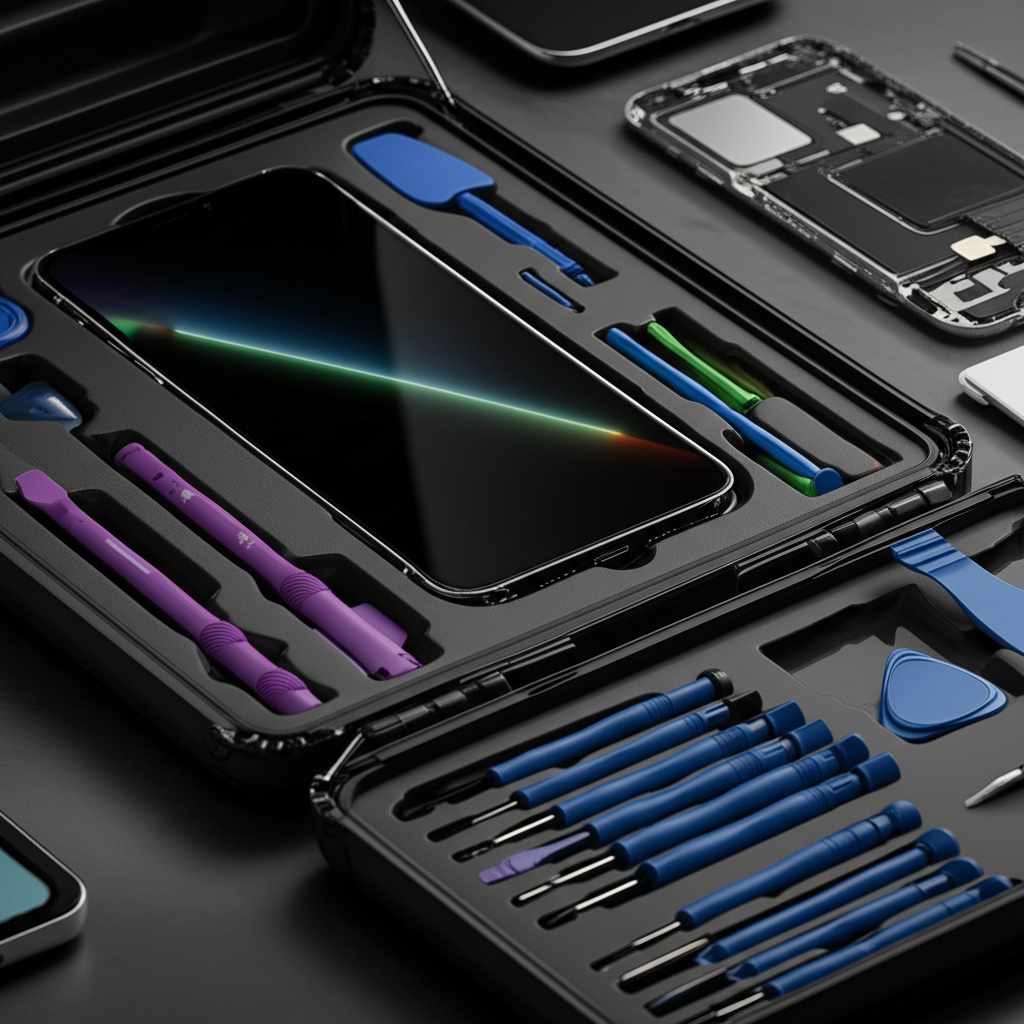
A truly essential iPhone repair kit with a screen will contain specific items. You need a high-quality replacement screen. This should match your iPhone model exactly. The kit must also have specialized tools. These include small screwdrivers, spudgers, and prying tools. You’ll also need tweezers and suction cups. Adhesive strips for sealing the phone are crucial. Some kits even include ESD (Electrostatic Discharge) protection. This prevents damage to sensitive internal components.
Replacement Screen: Crystal clear, responsive, and color-accurate.
Tool Set: Precision screwdrivers (Pentalobe, Phillips), spudgers, plastic opening tools, tweezers, suction cup.
Adhesives: Pre-cut adhesive strips for water resistance and secure fit.
ESD Protection: Anti-static wrist strap or mat to protect internal parts.
* Instruction Manual: Clear, step-by-step guide with diagrams.
The Importance of Screen Quality in Your Kit
The screen is the most important part of the kit. A cheap screen can look bad or not work well. Look for screens that mention high resolution and brightness. Good color reproduction is also key. The touch digitizer should be very responsive. Some kits offer different quality levels. Choosing a premium screen ensures your iPhone looks and feels as good as before. This is vital for user satisfaction after the repair.
Step-by-Step: Your First iPhone Screen Replacement
Replacing an iPhone screen can seem daunting. But with the right kit and guidance, it’s manageable. Always start by backing up your iPhone data. This is a crucial safety step. Then, power off your device completely. You will need a clean, well-lit workspace. Gather all the tools from your kit. Follow the provided instructions carefully.
Preparation and Safety First
Before you begin, ensure you have a safe environment. Static electricity can harm your iPhone’s internal parts. Use an anti-static wrist strap if your kit includes one. If not, touch a grounded metal object often. Keep small screws organized. They are very different sizes and need to go back in the right place. Losing a tiny screw can cause big problems.
Opening Your iPhone Safely
Most iPhone screen repairs start with removing two small screws. These are usually at the bottom edge, near the charging port. Use the correct Pentalobe screwdriver from your kit. After removing these, you’ll need to gently pry the screen away from the frame. A suction cup can help lift the screen. A thin plastic opening tool can then slide around the edges. Be careful not to insert the tool too deep. This can damage internal cables.
Disconnecting the Old Screen and Battery
Once the screen is partially open, you’ll see internal cables. These connect the screen to the iPhone’s logic board. Carefully disconnect these cables. You will likely need to remove small metal shields first. These shields are held by tiny screws. Always keep track of which screw goes where. Disconnecting the battery cable first is a critical safety step. This prevents accidental power surges.
Installing the New Screen
With the old screen removed, attach the new screen. Connect its cables to the logic board. Make sure they click into place securely. Reinstall any metal shields and screws you removed. Before sealing the phone, power it on. Test the new screen thoroughly. Check touch functionality across the entire display. Ensure brightness levels are correct and there are no dead pixels.
Reassembly and Final Checks
If the new screen works perfectly, proceed with reassembly. Carefully align the new screen with the iPhone frame. Press down gently around the edges to secure it. Reinstall the two Pentalobe screws at the bottom. Power on your iPhone again. Do another full check of all functions. This includes cameras, speakers, and sensors. If everything is working, you’ve successfully replaced your iPhone screen.
Essential Tools Beyond the Screen
A good iPhone repair kit with a screen includes more than just the display. It provides the necessary tools for the job. These tools are designed for the small, intricate components inside an iPhone.
Precision Screwdrivers and Prying Tools
You’ll need specialized screwdrivers. iPhones use Pentalobe screws on the outside. Inside, they use Phillips head screws. The sizes are very small. A kit should have the exact types needed. Prying tools, like spudgers and plastic opening tools, are vital. They help separate components without causing damage. Using the wrong tool can easily strip a screw or crack plastic.
Suction Cups and Tweezers
A good suction cup is essential for lifting the screen. It provides a grip without scratching. Fine-tipped tweezers are also critical. They help handle tiny screws and delicate ribbon cables. Static-free tweezers are even better. They reduce the risk of electrostatic discharge. These small tools make a big difference in repair ease.
ESD Protection: A Must-Have for Internal Repairs
Electrostatic Discharge (ESD) can destroy your iPhone’s internal circuitry. Your skin naturally holds static electricity. When you touch internal components, this static can jump. It can cause immediate failure or delayed problems. An ESD wrist strap connects you to ground. This safely channels static away. Some kits include an ESD-safe mat. This also protects your workspace.
When to Choose a Professional Repair
While DIY repair kits are great, they aren’t always the best solution. Some iPhone issues are complex. They might involve logic board damage or water damage. In these cases, professional help is often better. A professional repair shop has advanced diagnostic tools. They also have more experience with difficult repairs. If you are not comfortable with the process, it’s safer to go to an expert.
Diagnosing Problems Beyond the Screen
Sometimes, a screen issue is a symptom of a deeper problem. If your iPhone won’t turn on after replacing the screen, the issue might be elsewhere. It could be a battery problem, a logic board fault, or a damaged connector. Professional technicians can run detailed diagnostics. They can pinpoint the exact cause of failure. This saves you from potentially making the problem worse.
The Cost vs. Benefit Analysis
Professional repairs can be expensive. A screen replacement at an Apple Store or authorized repair center costs more than a DIY kit. However, professional repairs often come with a warranty. This offers peace of mind. DIY kits are much cheaper. But if you make a mistake, you might need to buy another kit or a new phone. Weigh the cost of the kit against the potential cost of a failed DIY repair.
Maintaining Your iPhone After Repair
Once your iPhone is fixed, proper maintenance is key. Protect your new screen. Use a screen protector and a good case. Avoid exposing your phone to extreme temperatures or moisture. Regularly back up your data. This is always good practice, especially after a repair. Keeping your iPhone in good condition extends its lifespan. It also prevents future costly repairs.
Protecting Your Newly Repaired iPhone
A new screen is vulnerable. A tempered glass screen protector is a smart investment. It adds a strong layer of defense against scratches and impacts. A sturdy phone case also helps. Choose one that covers the corners and edges. This offers the best overall protection. Be gentle with your iPhone. Avoid placing it in pockets with keys or coins.
Software and Hardware Best Practices
Keep your iPhone’s software up to date. Updates often include performance improvements and bug fixes. Avoid downloading apps from untrusted sources. For hardware, clean your iPhone regularly. Use a soft, dry cloth. Avoid using harsh chemicals. If you notice any new issues, address them promptly. Small problems can become big ones if ignored.
Where to Buy a Reliable iPhone Repair Kit With Screen
Finding a trustworthy source for your iPhone repair kit is crucial. Look for kits sold by reputable companies. Online marketplaces like Amazon have many options. Read customer reviews carefully. Check the seller’s return policy. iFixit is a well-known source for high-quality repair parts and tools. They offer detailed guides and excellent product quality.
What to Look for in Online Reviews
When reading reviews, look for patterns. Do multiple people mention the same issue? Are there many positive comments about screen quality or tool durability? Be wary of kits with very few reviews or only five-star ratings. These might be fake. Look for reviews that mention the specific iPhone model you have. This helps ensure compatibility.
Considering Different iPhone Models and Kit Variations
iPhone models change each year. Make sure the repair kit you buy is for your exact iPhone model. A kit for an iPhone 13 will not work for an iPhone 11. Kits also vary in quality. Some include basic tools, while others have more advanced options. Higher-end kits might include things like a magnetic mat for screws. This makes organizing much easier.
Frequently Asked Questions About iPhone Repair Kits With Screens
What is the most common reason for iPhone screen replacement?
The most common reason is accidental damage, like dropping the phone. This leads to cracked or shattered glass.
Can I use a generic screen on my iPhone?
It’s best to use a screen specifically made for your iPhone model. Generic screens may have compatibility issues or lower quality.
Is it safe to repair my iPhone myself?
Yes, if you use a good kit and follow instructions carefully. Always take ESD precautions to protect internal parts.
How long does an iPhone screen repair usually take?
For an experienced person, it can take 30-60 minutes. A beginner might take 1-3 hours. Take your time to avoid mistakes.
Do iPhone repair kits come with a warranty?
Some do, but many DIY kits do not offer a warranty on the screen itself. Check the product description before buying.
What if I break something else while repairing my iPhone?
If you damage another component, you may need to buy replacement parts for that component. Professional repair might be needed then.
Final Verdict: Empower Your iPhone Repairs
An iPhone repair kit with a screen is indeed an essential breakthrough for many users. It offers a practical, cost-effective way to restore your device. By choosing a quality kit and following instructions carefully, you can achieve professional-level results at home. Remember to prioritize safety, organize your parts, and test everything thoroughly. With the right tools and a bit of patience, you can bring your iPhone back to life.
If you’re looking to tackle your iPhone repair with confidence, consider exploring high-quality, model-specific repair kits.

Belayet Hossain is a Senior Tech Expert and Certified AI Marketing Strategist. Holding an MSc in CSE (Russia) and over a decade of experience since 2011, he combines traditional systems engineering with modern AI insights. Specializing in Vibe Coding and Intelligent Marketing, Belayet provides forward-thinking analysis on software, digital trends, and SEO, helping readers navigate the rapidly evolving digital landscape. Connect with Belayet Hossain on Facebook, Twitter, Linkedin or read my complete biography.