
Published on: 03/09/2025 | Updated on: September 3, 2025
The online food delivery business is essential for modern convenience, offering proven growth strategies for restaurants and consumers alike through user-friendly apps and diverse options.
The hunger pangs hit, and the thought of cooking feels overwhelming. You’re not alone! Navigating the vast world of online food delivery can be a delicious adventure, but sometimes it feels like a maze of apps, fees, and endless choices. I’ve spent countless hours testing meal delivery apps, ordering from a spectrum of services, and diving deep into customer experiences to bring you the clearest path. Let’s simplify this, find your perfect meal delivery match, and unlock the secrets to a truly satisfying online dining experience.
Why the Online Food Delivery Business is Booming
The online food delivery business has become an indispensable part of modern life, transforming how we eat and how restaurants operate. It’s a sector that’s not just growing; it’s evolving at an incredible pace, driven by consumer demand for convenience and variety. From busy professionals to students, families, and dedicated food lovers, the appeal of having restaurant-quality meals delivered right to your doorstep is undeniable. This accessibility has fueled significant expansion, making the online food delivery business a cornerstone of the modern economy.
The Rise of Digital Dining: Convenience is King

Convenience reigns supreme in today’s fast-paced world. The online food delivery business directly addresses this by eliminating the need for travel, parking, and waiting at restaurants. Users can browse menus, customize orders, and pay with just a few taps on their smartphones. This seamless process significantly reduces the friction often associated with dining out.
The ability to order from a multitude of restaurants through a single platform is a game-changer. It expands culinary horizons and makes trying new cuisines easier than ever before. This accessibility is a primary driver behind the consistent growth seen in the online food delivery business.
Meeting Diverse Consumer Needs
Beyond mere convenience, the online food delivery business caters to a wide array of consumer needs and preferences. Whether you’re looking for a quick lunch, a family dinner, healthy meal options, or even ingredients for home cooking, there’s a service designed to meet that demand. This inclusivity ensures broad market appeal.
Subscription meal kits offer pre-portioned ingredients and recipes for those who enjoy cooking but want to save time on planning and shopping. Grocery delivery services have also surged, providing another layer of convenience for households. The online food delivery business is truly a multi-faceted solution for modern living.
Essential Components of a Successful Online Food Delivery Business
Building a thriving online food delivery business requires more than just a website or an app. It’s about creating a robust ecosystem that seamlessly connects restaurants, delivery drivers, and customers. Each component plays a crucial role in ensuring smooth operations and customer satisfaction.
User-Friendly Platform: The Digital Storefront
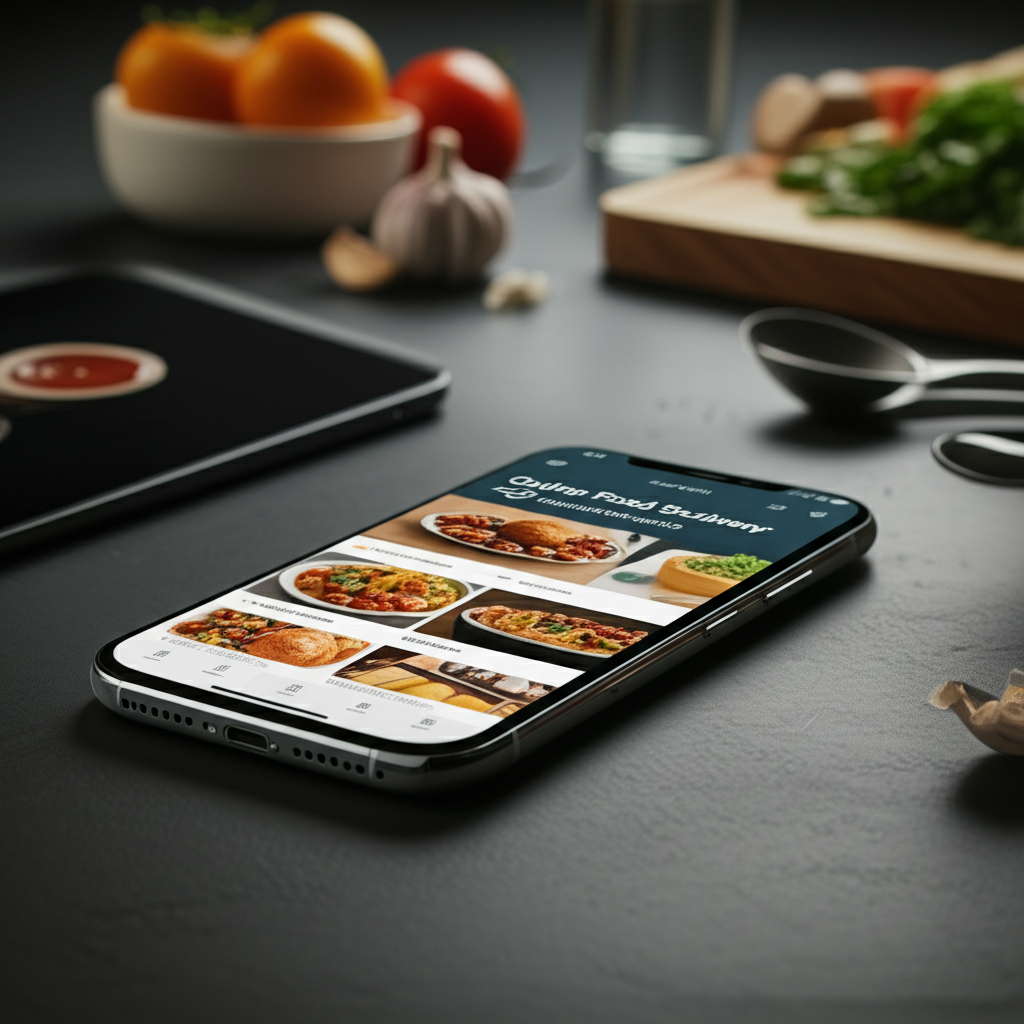
A well-designed, intuitive platform is the cornerstone of any successful online food delivery business. This includes a mobile app and a website that are easy to navigate, visually appealing, and offer a smooth ordering process. Key features include clear restaurant listings, detailed menus with high-quality images, easy customization options, secure payment gateways, and real-time order tracking.
A clunky or confusing interface can deter customers, leading them to competitors. Investing in a user-friendly platform is paramount for customer retention and acquisition in the competitive online food delivery business landscape.
Efficient Logistics and Delivery Network
The effectiveness of the delivery network is critical to customer satisfaction. This involves managing a fleet of reliable delivery drivers, optimizing delivery routes for speed and efficiency, and ensuring food arrives at the correct temperature and in good condition. Utilizing advanced logistics software can significantly improve operational performance.
Reliable delivery is often the deciding factor for repeat business. A well-managed logistics system is a key differentiator in the online food delivery business.
Strong Restaurant Partnerships
Building and maintaining strong relationships with a diverse range of restaurants is vital. This means offering fair commission rates, providing marketing support, and ensuring clear communication channels. Restaurants are the supply side of the online food delivery business, and their satisfaction directly impacts the service’s offerings.
A wide selection of quality restaurants attracts more customers. Collaborative partnerships foster a mutually beneficial ecosystem for all stakeholders involved in the online food delivery business.
Customer Service Excellence
Exceptional customer service can turn a potential problem into a positive experience. This includes responsive support for order issues, clear communication about delays, and a proactive approach to resolving complaints. Positive customer interactions build trust and loyalty.
Handling issues with empathy and efficiency is crucial for maintaining a good reputation. Strong customer service is a hallmark of a mature and sustainable online food delivery business.
Proven Growth Strategies for Online Food Delivery Businesses
The online food delivery business market is highly competitive, demanding strategic approaches to achieve sustained growth. Leveraging technology, understanding customer behavior, and offering compelling value are key. Here are proven strategies that drive expansion.
Leveraging Technology for Efficiency and Reach
Technology is the engine of growth for the online food delivery business. Implementing AI-powered features for personalized recommendations, optimizing delivery routes with real-time traffic data, and using data analytics to understand customer preferences are crucial. Investing in robust backend systems ensures scalability and efficiency.
Data analytics can reveal insights into peak ordering times, popular dishes, and customer demographics, informing targeted marketing campaigns. This data-driven approach is fundamental to growth in the online food delivery business.
Data-Driven Marketing and Personalization
Understanding your customer is key to effective marketing. Utilizing customer data to personalize offers, promotions, and communications can significantly boost engagement and conversion rates. This includes sending targeted emails, push notifications, and in-app messages based on past orders and preferences.
Personalized marketing efforts make customers feel valued and understood. This strategy is highly effective for customer retention in the competitive online food delivery business.
Expanding Service Offerings
Diversifying beyond just restaurant delivery can open up new revenue streams and customer segments. Consider offering meal kits, grocery delivery, or even partnerships with specialty food providers. This broadens the appeal of your platform and increases customer lifetime value.
A comprehensive service offering makes your platform a one-stop shop for food-related needs. This expansion is a natural progression for a growing online food delivery business.
Strategic Partnerships and Collaborations
Collaborating with complementary businesses can extend your reach and brand awareness. This could involve partnering with local businesses, event organizers, or corporate offices for catering services. Co-marketing campaigns with restaurants can also drive mutual growth.
Strategic alliances can introduce your service to new audiences. These partnerships are invaluable for scaling the online food delivery business.
Loyalty Programs and Incentives
Encouraging repeat business through loyalty programs and attractive incentives is a proven growth tactic. Offer discounts for frequent orders, referral bonuses, or exclusive perks for loyal customers. These programs foster customer retention and create brand advocates.
Rewarding loyal customers builds a strong community around your brand. This is a fundamental strategy for long-term success in the online food delivery business.
Navigating the Competitive Landscape: Choosing the Right Service
For consumers, selecting the best online food delivery service can feel daunting with so many options available. As someone who’s tested numerous platforms, I can guide you through the key factors to consider. Your ideal service depends on your priorities, whether it’s budget, speed, variety, or specific dietary needs.
Comparing Top Food Delivery Apps
Different apps excel in different areas. Some might offer a wider selection of local restaurants, while others boast faster delivery times or more competitive pricing. It’s worth exploring multiple platforms to see which best fits your needs in your specific geographic area.
Here’s a general overview of what different types of services offer:
| Service Type | Key Features | Best For |
| :——————— | :———————————————— | :———————————————————— |
| Aggregators | Wide restaurant variety, broad geographic reach | Exploring diverse cuisines, convenience |
| Restaurant-Specific | Exclusive menus, direct support for restaurants | Supporting favorite local eateries, unique offerings |
| Meal Kit Delivery | Pre-portioned ingredients, guided recipes | Home cooking enthusiasts, meal planning |
| Grocery Delivery | Fresh produce, pantry staples, household items | Busy households, convenience shopping |
Consider factors like delivery fees, service charges, minimum order requirements, and available promotions when making your choice.
Understanding Fees and Costs
It’s important to be aware of the various fees associated with online food delivery. These typically include a delivery fee, a service fee, and sometimes a small order fee. Many platforms also offer subscription services that can waive or reduce delivery fees for a monthly cost.
Always check the total cost before confirming your order. Many services offer first-time user discounts or special promotions, so keep an eye out for those. Understanding these costs helps manage your budget effectively within the online food delivery business ecosystem.
The Importance of Reviews and Ratings
Customer reviews and restaurant ratings are invaluable tools for making informed decisions. They provide insights into food quality, delivery reliability, and overall customer experience. Pay attention to recent reviews, as they often reflect current service standards.
Don’t hesitate to leave your own reviews to help others. Your feedback contributes to the collective knowledge base of the online food delivery business.
Dietary Needs and Preferences
Many online food delivery platforms now offer robust filtering options for dietary needs, such as vegetarian, vegan, gluten-free, and halal. Some restaurants also provide detailed allergen information. If you have specific dietary requirements, use these features to find suitable options.
Ensuring your chosen service and restaurant can accommodate your needs is crucial for a satisfying meal. This attention to detail is a hallmark of a customer-centric online food delivery business.
AI’s Role in Shaping the Future of Online Food Delivery
Artificial intelligence is no longer a futuristic concept; it’s actively revolutionizing the online food delivery business. From optimizing operations to enhancing customer experiences, AI is driving efficiency and innovation across the board. Its integration is key to staying competitive.
Personalized Recommendations and Predictive Ordering
AI algorithms can analyze past order history, user preferences, and even external factors like weather to offer highly personalized meal recommendations. Predictive ordering anticipates what a user might want next, streamlining the reordering process. This enhances customer engagement and can increase order frequency.
Imagine an app suggesting your favorite comfort food on a rainy evening – that’s AI at work. This level of personalization is a significant advantage in the online food delivery business.
Optimized Delivery Routes and Logistics
AI is instrumental in optimizing delivery routes in real-time, factoring in traffic conditions, driver availability, and delivery windows. This leads to faster delivery times, reduced fuel consumption, and increased efficiency for the delivery fleet. It ensures that food reaches customers while it’s still hot and fresh.
Efficient logistics are the backbone of a successful delivery service. AI-powered route optimization is a game-changer for the online food delivery business.
Enhanced Customer Service through Chatbots
AI-powered chatbots can handle a large volume of customer inquiries simultaneously, providing instant support for common questions about orders, delivery times, or payments. This frees up human customer service agents to handle more complex issues. Chatbots improve response times and overall customer satisfaction.
Providing 24/7 customer support through intelligent chatbots is a significant operational benefit. This aspect of AI is crucial for scaling customer service in the online food delivery business.
Dynamic Pricing and Demand Forecasting
AI can analyze historical data and real-time demand to implement dynamic pricing strategies, optimizing profitability. It can also forecast demand, helping restaurants and delivery platforms manage inventory and staffing more effectively. This predictive capability leads to better resource allocation.
Accurate demand forecasting helps prevent stockouts and reduces waste. This strategic use of AI is vital for the financial health of the online food delivery business.
Strategies for Restaurant Growth within the Online Food Delivery Business
For restaurants, partnering with online food delivery platforms is no longer optional; it’s a critical strategy for growth and survival. It expands their reach beyond their physical location and taps into a vast customer base actively seeking convenient dining options. However, maximizing this potential requires a smart approach.
Optimizing Restaurant Listings and Menus
High-quality photos of dishes are non-negotiable. Ensure your menu is up-to-date, accurate, and easy to read. Clearly highlight popular items, specials, and any dietary options. Consider adding brief, enticing descriptions for each dish to pique customer interest.
A visually appealing and informative listing is your digital storefront. It’s the first impression customers have of your food within the online food delivery business.
Leveraging Promotions and Discounts
Restaurants can significantly boost order volume by utilizing the promotional tools offered by delivery platforms. This includes offering first-time customer discounts, percentage-off deals, or buy-one-get-one offers. Targeted promotions can attract new customers and encourage repeat business.
Strategic use of discounts can drive significant traffic to your restaurant. This is a powerful tactic for growth within the online food delivery business.
Managing Order Volume and Kitchen Efficiency
As order volume increases, it’s crucial to ensure your kitchen operations can keep pace. Invest in technology for order management and communication with delivery drivers. Streamline your workflow to maintain food quality and delivery speed.
Kitchen efficiency directly impacts customer satisfaction and your ability to handle growth. This operational aspect is vital for any restaurant involved in the online food delivery business.
Gathering and Acting on Customer Feedback
Monitor customer reviews and feedback provided through the delivery platforms. Use this information to identify areas for improvement in your food, service, or packaging. Responding to feedback, both positive and negative, shows customers you value their input.
Customer feedback is a goldmine of actionable insights. It’s essential for continuous improvement in the competitive online food delivery business.
The Evolution of Meal Kits and Grocery Delivery
The online food delivery business has expanded significantly beyond prepared meals. Meal kit services and online grocery delivery have emerged as powerful complementary sectors, offering different but equally valuable forms of convenience. They cater to distinct needs within the broader food consumption landscape.
Meal Kit Services: Convenience Meets Home Cooking
Meal kit delivery services provide customers with pre-portioned ingredients and easy-to-follow recipes delivered to their door. This bridges the gap between the convenience of takeout and the satisfaction of cooking at home. They appeal to those who want to cook but lack the time for meal planning and grocery shopping.
Services like HelloFresh and Blue Apron have popularized this model. They offer a structured way to explore new recipes and improve cooking skills.
Online Grocery Delivery: Revolutionizing Shopping
The ability to order groceries online and have them delivered has transformed household management. This service saves significant time and effort, especially for busy families or individuals with mobility issues. Many platforms offer same-day or next-day delivery, making it incredibly convenient.
Companies like Instacart and Amazon Fresh have made grocery delivery mainstream. The convenience factor is immense, freeing up valuable time for other activities.
Synergies Between Prepared Meals and Other Services
There’s a natural synergy between prepared meal delivery, meal kits, and grocery delivery. A single platform might offer all three, allowing customers to choose based on their immediate needs – a ready-made meal for a busy weeknight, a meal kit for a weekend cooking project, or groceries for everyday use. This diversification strengthens the overall online food delivery business model.
Offering a spectrum of food solutions enhances customer loyalty. It positions the platform as a comprehensive food resource.
Addressing Challenges in the Online Food Delivery Business
Despite its immense growth, the online food delivery business faces several significant challenges. These range from operational complexities to market saturation and sustainability concerns. Successfully navigating these hurdles is key to long-term viability.
Profitability and Commission Rates
Achieving profitability can be challenging due to high operational costs, including marketing, technology, and driver pay. Restaurants often grapple with the commission rates charged by delivery platforms, which can significantly impact their margins. Finding a balance that is sustainable for both platforms and restaurants is an ongoing challenge.
Commission structures are a frequent point of discussion in the online food delivery business. Negotiating fair terms is crucial for restaurants.
Driver Welfare and Labor Issues
The reliance on gig economy workers for delivery raises questions about driver welfare, fair wages, benefits, and job security. Ensuring a stable and motivated delivery workforce is essential for consistent service quality. Many platforms are exploring ways to improve driver satisfaction and retention.
Driver satisfaction directly impacts the reliability of the service. Addressing labor concerns is an important aspect of the online food delivery business.
Sustainability and Environmental Impact
The surge in delivery orders has also brought environmental concerns to the forefront, including increased packaging waste and carbon emissions from delivery vehicles. Many companies are exploring eco-friendly packaging solutions and optimizing routes to reduce their carbon footprint. Sustainable practices are becoming increasingly important for brand reputation.
Adopting greener practices can resonate with environmentally conscious consumers. This is a growing consideration for the online food delivery business.
Market Saturation and Competition
The online food delivery business has become highly competitive, with numerous players vying for market share. Differentiation through unique offerings, superior customer service, or niche market focus is essential to stand out. Continued innovation is required to maintain a competitive edge.
Standing out in a crowded market requires a clear value proposition. This is a constant challenge for any online food delivery business.
The Future Outlook: Innovation and Expansion
The trajectory of the online food delivery business points towards continued innovation and expansion. As technology advances and consumer habits evolve, we can expect even more sophisticated and integrated food delivery solutions. The focus will likely remain on enhancing convenience, personalization, and efficiency.
Technological Advancements and Automation
Expect further integration of AI, machine learning, and potentially even drone or autonomous vehicle delivery in the future. Automation in order processing and customer service will become more prevalent, streamlining operations. These advancements promise to make the delivery process even faster and more efficient.
Automation can significantly reduce operational costs and improve delivery speeds. This is a key area of future development for the online food delivery business.
Hyper-Personalization and Niche Markets
The trend towards hyper-personalization will continue, with platforms offering highly tailored experiences based on individual preferences and dietary needs. There will also be a growing focus on serving niche markets, such as specific dietary communities or specialized cuisines. Catering to unique demands will be a growth driver.
Understanding and serving specific customer segments will be crucial for differentiation. This targeted approach is vital for sustained growth in the online food delivery business.
Integration with Smart Home Devices
The seamless integration of food ordering with smart home devices and voice assistants will become more common. This allows for even more effortless ordering, making mealtime solutions accessible with simple voice commands. Convenience will be taken to a new level.
The goal is to make food ordering as intuitive as possible. This integration enhances the user experience within the online food delivery business.
Focus on Health and Wellness
As health consciousness grows, so too will the demand for delivery services that prioritize healthy and nutritious options. Platforms that partner with wellness-focused restaurants or offer specialized healthy meal plans will likely see increased popularity. Catering to health-conscious consumers is a significant opportunity.
The demand for nutritious and healthy food options is on the rise. This trend will shape the offerings of many within the online food delivery business.
Frequently Asked Questions about Online Food Delivery
What is the online food delivery business?
The online food delivery business connects customers with restaurants and food providers through digital platforms, facilitating the ordering and delivery of meals to homes or offices. It leverages technology to offer convenience and variety.
How do I choose the best food delivery app for me?
Consider factors like restaurant selection in your area, delivery fees, service charges, user reviews, and any special offers or loyalty programs. Trying out a few different apps is often the best way to find your preferred service.
Are there hidden fees in online food delivery?
While most fees are disclosed before checkout, it’s always good to review your order summary carefully. Common fees include delivery fees, service fees, and sometimes small order fees. Subscription services can often help reduce or eliminate some of these.
How can restaurants increase their visibility on delivery platforms?
Restaurants can enhance their visibility by using high-quality photos, updating menus regularly, running promotions, encouraging customer reviews, and ensuring prompt and accurate order fulfillment. Partnering with platforms that offer featured placements can also help.
What are the main challenges facing the online food delivery business?
Key challenges include achieving profitability due to high operational costs, ensuring driver welfare and fair compensation, managing market saturation and intense competition, and addressing environmental concerns like packaging waste.
How is AI impacting the online food delivery business?
AI is improving the online food delivery business through personalized recommendations, optimized delivery routes, efficient customer service via chatbots, and better demand forecasting, leading to faster deliveries, cost savings, and enhanced customer experiences.
Conclusion: Your Next Delicious Meal is Just a Click Away
The online food delivery business has cemented its place as an essential service, offering unparalleled convenience and a gateway to culinary exploration for consumers worldwide. For restaurants, it represents a vital channel for growth, expanding their reach and customer base significantly. As we’ve explored, the success of this industry hinges on user-friendly platforms, efficient logistics, strong partnerships, and exceptional customer service.
The continuous integration of AI and evolving consumer demands are shaping an exciting future for online food delivery. From hyper-personalized experiences to more sustainable practices, innovation will continue to drive this dynamic sector. By understanding the key components, growth strategies, and the evolving landscape, both consumers and businesses can thrive within the vibrant online food delivery business. So go ahead, explore the options, and enjoy the convenience and deliciousness that awaits.

Belayet Hossain is a Senior Tech Expert and Certified AI Marketing Strategist. Holding an MSc in CSE (Russia) and over a decade of experience since 2011, he combines traditional systems engineering with modern AI insights. Specializing in Vibe Coding and Intelligent Marketing, Belayet provides forward-thinking analysis on software, digital trends, and SEO, helping readers navigate the rapidly evolving digital landscape. Connect with Belayet Hossain on Facebook, Twitter, Linkedin or read my complete biography.