
Published on: 23/09/2025 | Updated on: September 23, 2025
When your phone screen lifts, you need the right adhesive. This guide details the best glues for phone screen repair, ensuring a secure and lasting fix for your valuable device.
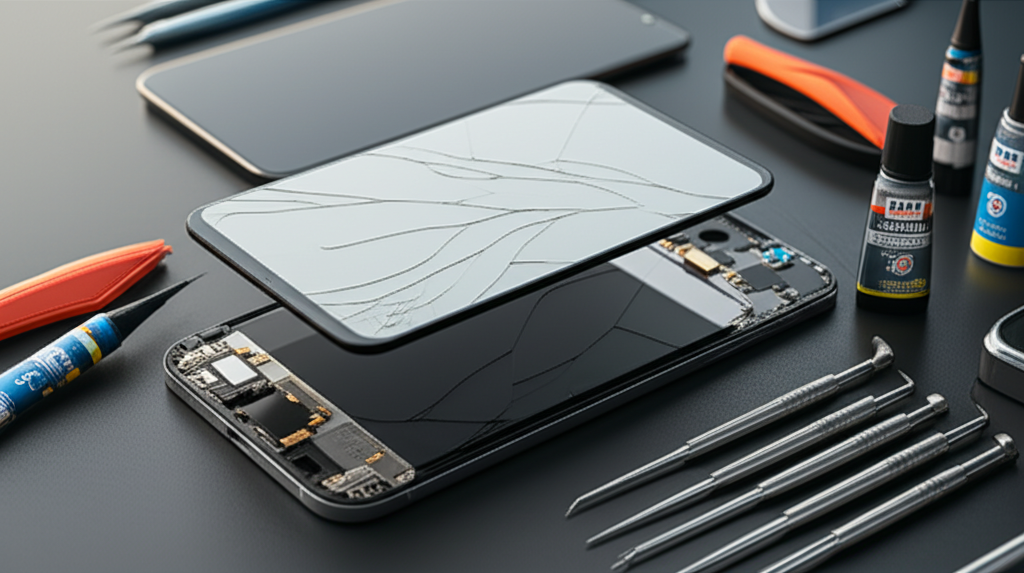
Is your phone screen starting to peel away from the frame? It’s a common and frustrating issue that can compromise your device’s integrity and appearance. Don’t worry, a DIY fix is often possible with the right materials. This guide will walk you through exactly what glue you should use for your phone screen repair, covering the best options, how to apply them, and what to avoid. Let’s get your phone looking and feeling like new again!
Why Does a Phone Screen Come Loose?
Phone screens can lift for several reasons, often due to impacts, heat, or wear and tear. The adhesive holding the screen assembly to the phone’s chassis can degrade over time, especially with exposure to heat from prolonged use or charging. Dropping your phone, even from a small height, can also stress the adhesive bond, leading to separation. In some cases, battery swelling can push the screen outwards, forcing it to detach.
Understanding these causes helps prevent future issues and informs the best approach for repair. A loose screen isn’t just unsightly; it can expose internal components to dust and moisture, potentially causing further damage. Addressing it promptly with the correct adhesive is crucial for maintaining your device’s functionality and longevity.
What Glue Should I Use For Phone Screen Repair: The Top Choices
When it comes to fixing a detached phone screen, not just any glue will do. You need a specialized adhesive that is strong, flexible, and designed for delicate electronics. The most common and effective choices are B-7000 glue, T-7000 glue, and specific phone screen repair kits that often include a pre-cut adhesive strip. These are formulated to bond glass and metal without damaging plastic components.
These specialized adhesives offer excellent adhesion and can withstand the minor flexes and temperature changes your phone experiences daily. They dry clear, ensuring your repair is discreet, and are applied in a thin, even layer for a professional finish. Let’s dive into why these are the go-to options.
B-7000 Adhesive: The DIY Hero

B-7000 is a popular, versatile, industrial-grade adhesive known for its strong bond and flexibility. It’s a black, rubbery adhesive that dries clear and is waterproof once cured. Its precision applicator tip makes it ideal for detailed work like reattaching a phone screen. It’s also non-corrosive, meaning it won’t damage your phone’s internal components.
This adhesive is widely recommended for phone repairs because it strikes a perfect balance between strength and flexibility. This is vital for a device that is handled frequently and subject to minor bending. Its slow drying time also allows for precise placement and adjustments, giving you ample time to align the screen perfectly.
T-7000 Adhesive: A Stronger Sibling
T-7000 is very similar to B-7000 but is often considered slightly stronger and faster-drying. It also boasts excellent adhesion to various materials, including glass, plastic, and metal. Like B-7000, it dries clear and offers good waterproof properties. The main difference lies in its slightly more aggressive bonding capabilities and quicker curing time.
While T-7000 can be a great choice, its faster drying time might require a bit more speed and precision during application. For beginners, B-7000 might offer a more forgiving experience. However, for those confident in their application skills, T-7000 provides a robust and durable bond.
Pre-Cut Adhesive Strips: The Easiest Solution
For many popular phone models, you can purchase pre-cut adhesive strips specifically designed for your device. These are essentially double-sided tape cut to the exact shape of your phone’s screen or frame. They are incredibly easy to use, requiring you to peel off the backing and apply the strip directly.
These strips offer a clean, precise fit and are often the method used by manufacturers. They ensure a consistent adhesive layer without the mess sometimes associated with liquid glues. If you can find a pre-cut strip for your specific phone model, it’s often the most straightforward and professional-looking repair option. You can find these on sites like iFixit or Amazon.
What Glue NOT to Use For Phone Screens
It’s crucial to know what adhesives to avoid when repairing your phone screen. Super glue (cyanoacrylate), hot glue, and regular craft glues are generally unsuitable and can cause significant damage. Super glue is brittle and can crack under pressure, potentially damaging the screen further. Hot glue can melt plastic components and is too thick for a precise fit.
These common household glues lack the flexibility and precision required for electronic repairs. They can also leave unsightly residue, damage delicate flex cables, or even seep into internal components, leading to irreparable harm. Always opt for specialized electronic adhesives or pre-cut strips.
Super Glue (Cyanoacrylate) Dangers
Super glue might seem like a quick fix, but it’s a recipe for disaster on a phone screen. It dries very hard and brittle, meaning any slight flex of the phone could cause the bond to break and potentially crack the glass. Furthermore, super glue fumes can fog up the inside of your screen, permanently obscuring the display.
Its rapid bonding also leaves little room for error. If you misalign the screen, you’ll have a very difficult time repositioning it, and attempts to pry it apart can cause further damage. It’s best to steer clear of this common household adhesive for any phone repair.
Hot Glue Gun Issues
Hot glue is another tempting option for its speed and perceived strength, but it’s highly problematic for phone screen repair. The heat from the glue gun can warp or melt plastic components inside your phone, such as the frame or battery housing. The glue itself is also very thick and uneven, making it impossible to achieve a sleek, factory-like seal.
Additionally, hot glue is not designed to withstand the temperature fluctuations your phone experiences, and its bond can weaken over time. It also creates a messy, bulky bond that can interfere with the screen’s seating and overall functionality.
The Repair Process: Step-by-Step Guide
Before you start, gather your tools: your chosen adhesive (B-7000, T-7000, or pre-cut strips), a thin prying tool (like a plastic spudger or guitar pick), tweezers, rubbing alcohol, and lint-free cloths. Ensure your phone is powered off and the battery is not swelling. You might also need a heat gun or hairdryer to gently warm the edges and loosen the old adhesive.
Clean the phone’s frame and the screen edge thoroughly to remove any old glue residue. Apply your chosen adhesive sparingly and evenly along the frame where the screen will sit. Carefully align the screen, starting from one edge, and gently press it into place. Use clamps or rubber bands to hold it securely while the adhesive cures.
Step 1: Preparation is Key
Power off your phone completely and remove the SIM card tray. Gather all your repair tools and materials in a well-lit, clean area. Gently heat the edges of the phone screen with a hairdryer on a low setting for about a minute. This softens the existing adhesive, making it easier to pry open.
Use a thin, flat tool like a plastic spudger or guitar pick to carefully insert between the screen and the frame. Work your way around the edges, gently prying the screen away from the body. Be patient and avoid forcing anything, as you don’t want to damage internal cables.
Step 2: Removing Old Adhesive
Once the screen is partially lifted, you’ll need to remove all traces of the old adhesive. Use a plastic scraper or a credit card to gently scrape away any remaining glue residue from the phone’s frame. You can also use isopropyl alcohol (90% or higher) on a lint-free cloth to help dissolve stubborn adhesive.
Clean the frame thoroughly with rubbing alcohol and a lint-free cloth. This ensures a clean surface for the new adhesive to bond to. Any leftover debris can prevent the new glue from adhering properly, leading to another loose screen.
Step 3: Applying the New Adhesive
If using B-7000 or T-7000, apply a thin, continuous bead along the perimeter of the phone’s frame where the screen will attach. Avoid applying too much, as excess glue can squeeze out and create a mess. If using pre-cut adhesive strips, carefully peel off the backing from one side and align it precisely onto the frame.
Ensure the adhesive covers the entire sealing area. If using liquid glue, you can use the applicator tip to guide the bead. Work quickly but carefully to avoid smudging the adhesive or getting it on other components.
Step 4: Reattaching the Screen
Carefully align the phone screen with the frame, ensuring all cables are connected if you had to disconnect any. Start by seating one edge of the screen, then gently press the rest into place. Apply even pressure around the entire perimeter to ensure a good seal.
Use rubber bands, small clamps, or even heavy books to apply gentle, consistent pressure around the edges of the phone. This helps the adhesive bond securely while it cures. Avoid over-tightening clamps, as this can damage the screen or frame.
Step 5: Curing Time
Allow the adhesive to cure fully according to the manufacturer’s instructions. This typically takes 24 to 72 hours for liquid adhesives like B-7000 and T-7000. During this time, avoid using your phone or subjecting it to any stress. For pre-cut adhesive strips, the bond is usually immediate, but it’s still wise to let it set for at least a few hours.
Proper curing is essential for a strong, long-lasting bond. Rushing this step can compromise the repair, leading to the screen coming loose again prematurely. Be patient and let the adhesive work its magic.
Choosing the Right Adhesive for Your Device
The best adhesive for your phone screen depends on your device model and your comfort level with DIY repairs. For most modern smartphones, especially those with OLED or AMOLED displays, B-7000 or T-7000 are excellent choices due to their flexibility and precision. If you’re looking for the simplest method, pre-cut adhesive strips tailored to your specific phone model are ideal.
Consider the materials of your phone’s frame and screen when making your choice. Most phone frames are aluminum or plastic, and screens are glass, all of which are compatible with these specialized adhesives. If your phone has a very thin bezel or a curved screen, precision application with a liquid adhesive or a perfectly cut strip is paramount.
Understanding Adhesive Properties: Strength, Flexibility, and Curing
When selecting an adhesive, consider its key properties: strength, flexibility, and curing time. A strong adhesive ensures the screen stays put, while flexibility allows the phone to withstand everyday use without the bond cracking. Curing time dictates how long you’ll need to leave the phone undisturbed.
B-7000 and T-7000 offer a good balance of these properties. They provide a strong, waterproof bond that remains slightly flexible, accommodating the minor stresses your phone endures. Pre-cut strips offer immediate tackiness and a strong bond once pressed, with minimal curing time needed. Always check the product specifications for detailed information on these properties.
Tools You’ll Need for Phone Screen Repair
Beyond the adhesive itself, a few essential tools will make your phone screen repair much smoother. A set of small electronic screwdrivers is often necessary if you need to remove any internal components to access the screen. Plastic prying tools (spudgers, opening picks) are crucial for safely separating the screen from the frame without scratching or damaging the phone.
You’ll also need tweezers for handling small screws and connectors, lint-free cloths for cleaning, and isopropyl alcohol (90%+) to remove old adhesive residue. A heat gun or hairdryer is often required to soften the existing adhesive. Consider investing in a repair kit that bundles many of these necessary tools.
When to Seek Professional Help
While DIY phone screen repair is achievable, there are times when it’s best to leave it to the professionals. If your phone is still under warranty, attempting a DIY repair could void it. Complex devices with intricate internal structures or water-resistant seals can also be challenging for novice repairers.
If you’re not comfortable with the process, lack the necessary tools, or if the damage is extensive (e.g., cracked screen glass and a damaged frame), professional repair is the safer bet. A qualified technician has the expertise and specialized equipment to perform a flawless repair without risking further damage.
Troubleshooting Common Issues After Repair
After reattaching your screen, you might encounter minor issues. If the screen feels slightly loose, it might be due to insufficient adhesive or inadequate curing time. If there’s a gap around the edges, you may need to reapply adhesive more carefully.
If touch functionality is affected, ensure no adhesive has seeped onto the display connector. For minor cosmetic issues like excess glue squeeze-out, you can carefully try to remove it with a plastic scraper or isopropyl alcohol once the glue has fully cured. If problems persist, it might be necessary to reopen the phone and re-perform the steps.
Frequently Asked Questions About Phone Screen Glue
Can I use clear nail polish to fix a phone screen?
No, clear nail polish is not a suitable adhesive for phone screens. It’s brittle, can damage plastic components, and won’t provide a secure or lasting bond. It’s best to use specialized electronic adhesives.
How long does B-7000 glue take to cure on a phone screen?
B-7000 glue typically takes 24 to 72 hours to fully cure. While it may feel dry to the touch much sooner, allowing the full curing time ensures maximum bond strength.
Will super glue damage my phone screen?
Yes, super glue can cause significant damage. It’s brittle, can fog up the screen, and makes future repairs extremely difficult. It’s not recommended for any phone repair.
Are pre-cut adhesive strips better than liquid glue?
Pre-cut adhesive strips are often easier and cleaner for beginners, providing a precise fit. Liquid adhesives like B-7000 offer more flexibility in application and can be used for custom repairs or when specific strips aren’t available.
How do I clean old glue off my phone’s frame?
Use isopropyl alcohol (90% or higher) and a lint-free cloth or plastic scraper to gently remove old adhesive residue from the phone frame. Ensure the surface is clean and dry before applying new adhesive.
Is it safe to use my phone while the screen glue is curing?
It’s not recommended to use your phone heavily while the adhesive is curing. Gentle use might be okay after a few hours, but avoid any pressure or stress on the screen edges until the adhesive has fully set.
Conclusion: Securing Your Phone Screen for Longevity
When faced with a lifting phone screen, knowing what glue should I use for phone screen is paramount. Specialized adhesives like B-7000 and T-7000, or precise pre-cut adhesive strips, are your best allies. They offer the necessary strength, flexibility, and a clean finish required for delicate electronic repairs. Avoid common household glues that can cause more harm than good. By following a careful, step-by-step process and allowing adequate curing time, you can successfully resecure your phone screen, protecting your device from further damage and restoring its pristine appearance. This essential fix will ensure your gadget remains a reliable companion for longer.

Belayet Hossain is a Senior Tech Expert and Certified AI Marketing Strategist. Holding an MSc in CSE (Russia) and over a decade of experience since 2011, he combines traditional systems engineering with modern AI insights. Specializing in Vibe Coding and Intelligent Marketing, Belayet provides forward-thinking analysis on software, digital trends, and SEO, helping readers navigate the rapidly evolving digital landscape. Connect with Belayet Hossain on Facebook, Twitter, Linkedin or read my complete biography.