
Published on: 21/09/2025 | Updated on: September 21, 2025
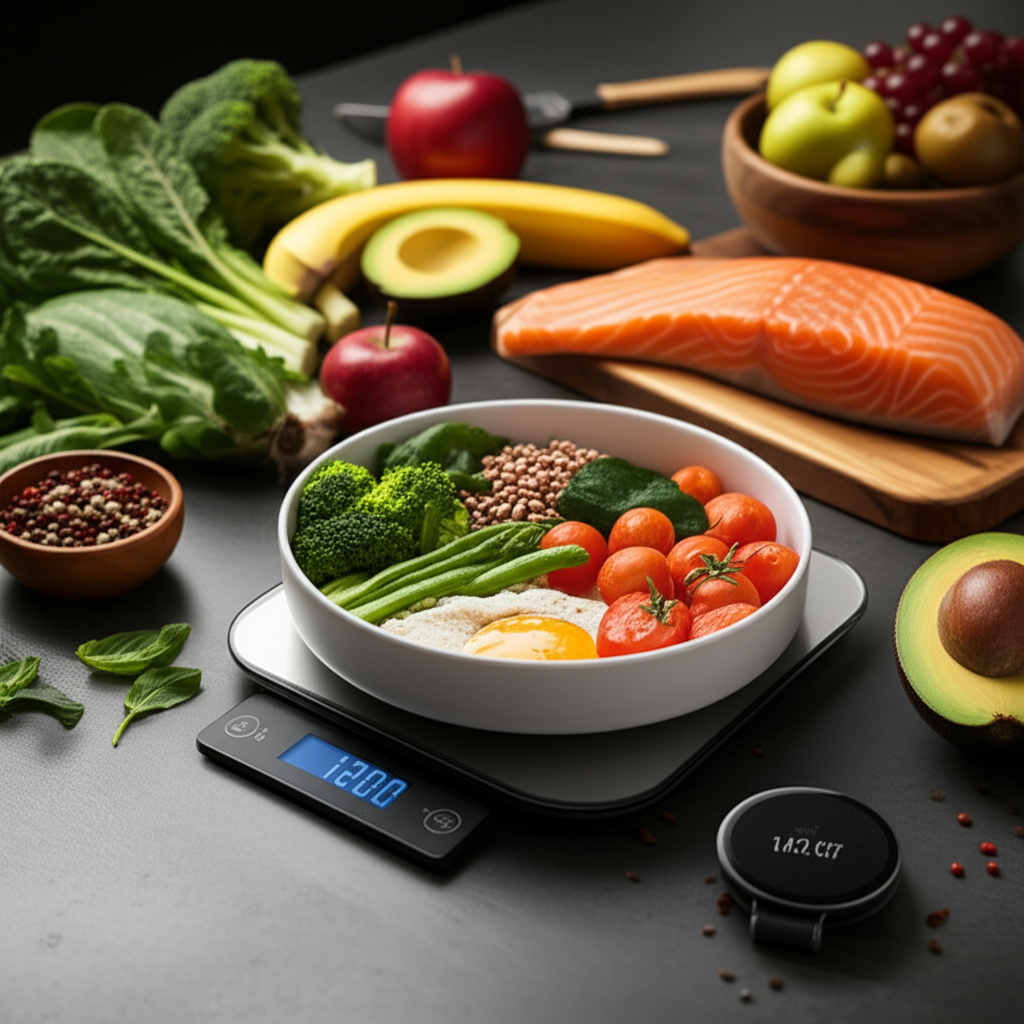
A 1200 calorie diet plan offers a structured approach to weight loss by significantly reducing daily intake. This article explores its essential components, proven results, and how to implement it effectively, ensuring you achieve your goals safely and sustainably.
Embarking on a weight loss journey can feel overwhelming, especially when faced with countless diet plans. Many people find themselves searching for a clear, effective, and manageable way to shed pounds. The 1200 calorie diet plan is a popular choice, promising significant results. However, it’s crucial to understand its nuances to ensure it’s the right fit for you and that you can achieve lasting success without feeling deprived.
What is a 1200 Calorie Diet Plan?
A 1200 calorie diet plan is a dietary approach that restricts daily food intake to approximately 1200 calories. This calorie level is generally considered a low-calorie diet (LCD) and is often recommended for individuals aiming for weight loss, particularly those who are less active or have a smaller frame. The core principle is creating a calorie deficit, where the body burns more calories than it consumes, leading to the utilization of stored fat for energy.
The Science Behind Calorie Deficits

Understanding calorie deficits is fundamental to any weight loss plan, including the 1200 calorie diet. Your body requires a certain number of calories daily to function, a figure known as your Total Daily Energy Expenditure (TDEE). This TDEE is influenced by your Basal Metabolic Rate (BMR), physical activity level, and the thermic effect of food. When you consume fewer calories than your TDEE, your body taps into its fat reserves.
A deficit of 500-1000 calories per day typically leads to a weight loss of 1-2 pounds per week, a rate generally considered safe and sustainable by health professionals. The 1200 calorie diet plan aims to create this deficit by providing a structured framework for eating, ensuring that while calories are limited, nutritional needs are still met.
Is a 1200 Calorie Diet Plan Right for You?
The decision to follow a 1200 calorie diet plan should be a thoughtful one, considering your individual health, lifestyle, and weight loss goals. While it can be effective for many, it’s not universally suitable. Consulting with a healthcare provider or a registered dietitian is highly recommended before starting any restrictive diet to ensure it aligns with your personal health profile.
Factors to Consider Before Starting
Before you commit to a 1200 calorie diet plan, it’s wise to assess several personal factors. Your current weight, height, age, sex, activity level, and any underlying health conditions all play a significant role in determining your individual calorie needs. A 1200 calorie diet is often too low for active individuals, men, or those with a larger body mass, as it may not provide adequate nutrients or energy.
It’s also important to consider your lifestyle. Can you realistically prepare or source 1200-calorie meals consistently? Do you have a history of disordered eating? If so, a more moderate approach might be better. This plan is typically best suited for short-to-medium term weight loss goals under professional guidance.
Who Should Avoid a 1200 Calorie Diet?
Certain individuals should steer clear of a 1200 calorie diet plan or only undertake it with strict medical supervision. Pregnant or breastfeeding women have significantly higher calorie and nutrient needs. Growing children and adolescents require ample energy for development. Individuals with certain medical conditions, such as diabetes or heart disease, need personalized dietary plans.
Furthermore, those with a history of eating disorders should avoid restrictive diets like this one. It’s crucial to prioritize your overall health and well-being above rapid weight loss. If you experience extreme fatigue, dizziness, or other adverse symptoms, it’s a sign that the calorie intake may be too low for your body.
Essential Components of a Successful 1200 Calorie Diet Plan
To make a 1200 calorie diet plan effective and sustainable, it needs to be balanced and nutrient-dense. Focusing on whole foods and ensuring you get a good mix of macronutrients (protein, carbohydrates, and fats) is key. This approach helps you feel fuller for longer and provides the essential vitamins and minerals your body needs to function optimally.
Macronutrient Distribution
A well-structured 1200 calorie diet plan should prioritize protein, fiber, and healthy fats. Protein is vital for satiety and muscle maintenance, while fiber aids digestion and fullness. Healthy fats are important for hormone production and nutrient absorption. Carbohydrates should come from complex sources like vegetables, fruits, and whole grains for sustained energy.
A common macronutrient breakdown for a 1200 calorie diet might look something like this:
| Macronutrient | Percentage of Calories | Grams (approx.) |
| :———–: | :——————-: | :————-: |
| Protein | 30-40% | 90-120g |
| Carbohydrates | 30-40% | 90-120g |
| Fats | 20-30% | 27-40g |
This distribution can help manage hunger and support metabolic health during calorie restriction.
Nutrient-Dense Food Choices
The quality of your calories matters immensely on a 1200 calorie diet plan. Opt for foods that pack a lot of nutrients into a small number of calories. This means filling your plate with lean proteins, plenty of non-starchy vegetables, some fruits, and small portions of whole grains and healthy fats.
Examples of nutrient-dense foods include leafy greens, berries, lean chicken or fish, eggs, legumes, and nuts in moderation. These foods provide essential vitamins, minerals, and fiber, which are crucial for overall health and can help manage hunger effectively.
Sample 1200 Calorie Diet Plan Menu
Creating a sample menu can provide a clear picture of what a 1200 calorie diet plan looks like in practice. This sample menu focuses on balanced meals, incorporating lean proteins, vegetables, and healthy fats to ensure satiety and nutrient intake. Remember, this is a template, and you can adapt it to your preferences and dietary needs.
Day 1: A Balanced Start
Breakfast (approx. 300 calories): 1/2 cup rolled oats cooked with water, topped with 1/4 cup berries and 1 tablespoon chopped almonds.
Lunch (approx. 400 calories): Large salad with mixed greens, 3 oz grilled chicken breast, 1/4 avocado, cucumber, bell peppers, and a light vinaigrette dressing.
Dinner (approx. 400 calories): 4 oz baked salmon, 1 cup steamed broccoli, and 1/2 cup quinoa.
Snack (approx. 100 calories): 1 small apple.
This day provides a good mix of protein, healthy fats, and complex carbohydrates to keep you feeling satisfied.
Day 2: Variety and Flavor
Breakfast (approx. 300 calories): Scrambled eggs (2 large) with spinach and 1/4 cup black beans, served with 1/4 avocado.
Lunch (approx. 400 calories): Lentil soup (1.5 cups) with a side salad dressed with lemon juice and olive oil.
Dinner (approx. 400 calories): 4 oz lean ground turkey stir-fry with mixed vegetables (broccoli, carrots, snap peas) and 1/3 cup brown rice.
Snack (approx. 100 calories): 1/2 cup Greek yogurt (plain, non-fat) with a sprinkle of cinnamon.
This menu offers different flavors and textures while adhering to the calorie target.
Day 3: Simple and Satisfying
Breakfast (approx. 300 calories): Smoothie made with 1 scoop protein powder, 1 cup unsweetened almond milk, 1/2 banana, and a handful of spinach.
Lunch (approx. 400 calories): Tuna salad (made with 3 oz canned tuna in water, 1 tbsp Greek yogurt, celery, onion) served on lettuce wraps with a side of cherry tomatoes.
Dinner (approx. 400 calories): 4 oz grilled chicken breast with 1 cup roasted Brussels sprouts and a small sweet potato (about 4 oz).
Snack (approx. 100 calories): A small pear.
Remember to drink plenty of water throughout the day. Hydration is key for managing hunger and overall health.
Proven Results of a 1200 Calorie Diet Plan
The 1200 calorie diet plan, when followed correctly, can yield significant weight loss results. Numerous individuals have found success with this approach, achieving their desired body weight and improving certain health markers. However, it’s important to manage expectations and understand that results can vary based on individual factors and adherence.
Weight Loss Success Stories
Many people report losing weight effectively on a 1200 calorie diet plan. This is primarily due to the substantial calorie deficit it creates. For individuals who are starting with a higher body weight and a sedentary lifestyle, this plan can lead to noticeable changes within weeks. For instance, a consistent deficit of 700 calories per day (from a higher maintenance intake) can result in approximately 1.5 pounds of weight loss per week.
The psychological boost from seeing the scale move can be a powerful motivator. However, it’s crucial to remember that weight loss is not linear and can fluctuate. Sustainable results often involve incorporating lifestyle changes beyond just calorie counting.
Beyond the Scale: Other Health Benefits
Beyond shedding pounds, a well-executed 1200 calorie diet plan can contribute to other health improvements. Studies have shown that low-calorie diets can lead to better blood sugar control, improved cholesterol levels, and reduced blood pressure. These benefits are often linked to the reduction in body fat, particularly visceral fat, which is associated with metabolic diseases.
By focusing on nutrient-dense foods, you also increase your intake of vitamins, minerals, and antioxidants, supporting overall well-being and energy levels, even within a restricted calorie budget.
Challenges and How to Overcome Them
While the 1200 calorie diet plan can be effective, it’s not without its challenges. Hunger, fatigue, and potential nutrient deficiencies are common concerns. However, with careful planning and strategic food choices, these hurdles can be managed effectively.
Managing Hunger and Cravings
Hunger is perhaps the biggest obstacle on a 1200 calorie diet plan. To combat this, prioritize protein and fiber-rich foods, as they promote satiety. Drinking plenty of water throughout the day can also help you feel fuller. Planning healthy snacks like a piece of fruit, a small handful of nuts, or a hard-boiled egg can curb cravings between meals.
Mindful eating techniques, such as eating slowly and savoring each bite, can also enhance feelings of fullness. If cravings become overwhelming, identify triggers and develop strategies to cope, such as engaging in a distracting activity or opting for a low-calorie, satisfying alternative.
Preventing Nutrient Deficiencies
When calories are significantly restricted, there’s a risk of not getting enough essential vitamins and minerals. This is why choosing nutrient-dense foods is paramount. Focusing on a wide variety of colorful vegetables, lean proteins, and small portions of whole grains helps cover your nutritional bases.
In some cases, a healthcare provider might recommend a multivitamin or specific supplements to ensure adequate intake of micronutrients. Regular check-ups can help monitor your nutritional status and address any potential deficiencies early on.
Maintaining Energy Levels
A common complaint on a low-calorie diet is a dip in energy. To combat this, ensure you’re consuming enough protein, which helps maintain muscle mass and can support energy levels. Opt for complex carbohydrates from whole foods, which provide a more sustained release of energy compared to refined sugars.
Adequate hydration is also crucial, as dehydration can lead to fatigue. Small, frequent meals or snacks can help keep your blood sugar stable and prevent energy crashes. Prioritize sleep, as rest is fundamental for energy restoration.
Tips for Success with Your 1200 Calorie Diet Plan
Implementing a 1200 calorie diet plan successfully involves more than just counting calories. It requires planning, consistency, and a focus on long-term health. Here are some practical tips to help you navigate this dietary approach and achieve your goals.
Meal Prepping and Planning
Dedicate time each week to plan your meals and snacks. This involves creating a grocery list, shopping for ingredients, and preparing some meals or components in advance. Meal prepping can save time during busy weekdays and prevent impulsive, unhealthy food choices when hunger strikes.
Having pre-portioned meals and snacks ready to go makes sticking to your 1200 calorie target much easier. You can prepare large batches of grains, roast vegetables, or cook lean proteins to have on hand.
Hydration is Key
Drinking an adequate amount of water throughout the day is vital for overall health and can significantly aid in weight loss efforts. Water helps you feel fuller, boosts metabolism, and aids in the efficient functioning of bodily processes. Aim for at least 8 glasses (64 ounces) of water daily, and even more if you are active or live in a hot climate.
Water can also help manage hunger pangs and cravings. Sometimes, what feels like hunger is actually thirst. So, before reaching for a snack, try drinking a glass of water.
Incorporate Physical Activity
While a 1200 calorie diet plan focuses on reducing caloric intake, incorporating regular physical activity is crucial for maximizing results and overall health. Exercise burns calories, builds muscle mass (which boosts metabolism), and offers numerous physical and mental health benefits. Aim for a combination of cardiovascular exercise and strength training.
Even moderate activity, like brisk walking for 30 minutes a day, can make a significant difference. Listen to your body, especially when starting, and gradually increase the intensity and duration of your workouts.
Listen to Your Body
It’s essential to be attuned to your body’s signals. If you consistently feel overly fatigued, dizzy, or unwell, your 1200 calorie diet plan might be too restrictive for you. It’s important to adjust your intake or consult with a healthcare professional. This plan is a tool, not a rigid rule that must be followed at the expense of your well-being.
Honoring your body’s needs, including adequate sleep and stress management, is as important as the food you eat. A balanced approach to health will yield more sustainable results.
Leveraging Food Delivery Services for a 1200 Calorie Diet Plan
For busy individuals, sticking to a 1200 calorie diet plan can be challenging due to time constraints. Fortunately, the rise of food delivery services and meal kit companies offers a convenient solution. Many platforms now allow you to filter meals by calorie count, making it easier to find options that fit your dietary goals.
Meal Kit Services for Precision
Meal kit services are particularly well-suited for a 1200 calorie diet plan. They provide pre-portioned ingredients and easy-to-follow recipes, ensuring accuracy in calorie and portion control. Many services offer specific low-calorie or weight-loss focused meal plans that can be tailored to your daily target.
When selecting a meal kit service, look for options that clearly label calorie counts per serving and offer a variety of healthy ingredients. Some popular services that might cater to this include HelloFresh or Blue Apron, though you’ll need to check their specific offerings for calorie-conscious meals. Many also have specific plans designed for weight management.
Restaurant Delivery Apps with Calorie Filters
Navigating restaurant delivery apps like DoorDash or Uber Eats for a 1200 calorie diet plan requires a bit more strategy. While not all restaurants provide detailed nutritional information, many do, especially larger chains. Look for calorie counts listed on menus, or utilize apps that aggregate this information.
Some apps allow you to filter by cuisine type or even specific dietary needs, which can help narrow down your choices. When in doubt, opt for simpler dishes like grilled lean proteins with steamed vegetables, and be mindful of sauces and dressings, which can add hidden calories.
Choosing Wisely: What to Look For
When ordering meals for a 1200 calorie diet plan from delivery services, prioritize lean proteins, abundant vegetables, and complex carbohydrates. Be cautious of fried foods, creamy sauces, and large portions of refined grains. Always check the nutritional information if available, and don’t hesitate to request modifications like dressings on the side or steamed instead of sautéed vegetables.
Many services offer “healthy” or “light” meal options, but it’s still wise to verify their calorie content. Understanding portion sizes is key, even when someone else is doing the cooking.
When to Seek Professional Guidance
While this article provides comprehensive information on the 1200 calorie diet plan, it’s not a substitute for professional medical advice. Consulting with healthcare providers is crucial to ensure the diet is safe and appropriate for your individual needs. They can help you set realistic goals and monitor your progress.
Consulting a Doctor or Dietitian
Before starting any significant dietary change, especially a restrictive one like a 1200 calorie diet plan, it’s highly recommended to consult with your doctor or a registered dietitian. They can assess your health status, identify any potential risks, and help you create a personalized plan that meets your nutritional needs. They can also guide you on the appropriate duration for such a diet.
A dietitian can offer invaluable support, providing tailored meal plans, strategies for managing challenges, and ensuring you receive all necessary nutrients. They can also help you transition to a sustainable long-term eating pattern.
Monitoring Progress and Adjusting
Regularly monitoring your progress is key to making informed adjustments to your 1200 calorie diet plan. This includes tracking your weight, energy levels, mood, and any physical changes. If you’re not seeing the desired results or experiencing negative side effects, it might be time to reassess your approach with your healthcare provider.
It’s important to be flexible and adapt the plan as your body and needs change. What works initially may need modification over time. The goal is sustainable health, not just temporary weight loss.
Frequently Asked Questions About the 1200 Calorie Diet Plan
Can I do a 1200 calorie diet plan long-term?
A 1200 calorie diet plan is generally considered a short-to-medium term diet for weight loss and is not recommended for long-term use without medical supervision. Prolonged restriction can lead to nutrient deficiencies and metabolic slowdown.
Will I lose weight quickly on a 1200 calorie diet plan?
Yes, typically you will lose weight relatively quickly on a 1200 calorie diet plan due to the significant calorie deficit it creates. However, the rate of loss varies based on individual factors.
What are the best foods to eat on a 1200 calorie diet plan?
Focus on nutrient-dense foods like lean proteins (chicken, fish, tofu), plenty of non-starchy vegetables (leafy greens, broccoli, peppers), fruits in moderation, and small amounts of whole grains and healthy fats.
Is it safe to exercise on a 1200 calorie diet plan?
Yes, it’s generally safe and recommended to exercise on a 1200 calorie diet plan, but listen to your body. If you experience excessive fatigue or dizziness, reduce intensity or consult a professional.
Can I have cheat meals on a 1200 calorie diet plan?
While occasional “treats” might be manageable, frequent or large cheat meals can easily derail your calorie deficit. It’s best to incorporate planned, moderate indulgences if needed, rather than spontaneous “cheats.”
What are the risks of a 1200 calorie diet plan?
Risks include nutrient deficiencies, fatigue, muscle loss, gallstones, and a slowed metabolism. It can also be unsustainable and lead to yo-yo dieting if not managed carefully.
How can I avoid feeling deprived on a 1200 calorie diet plan?
Prioritize satisfying, nutrient-dense foods, stay hydrated, plan healthy snacks, and focus on the positive health benefits you’re achieving. Mindful eating can also enhance satisfaction.
Conclusion: Embracing a Balanced Approach with Your 1200 Calorie Diet Plan
The 1200 calorie diet plan can be a powerful tool for achieving weight loss goals, provided it’s approached with knowledge, care, and a focus on nutrition. By understanding its principles, essential components, and potential challenges, you can create a plan that is both effective and sustainable. Remember to prioritize nutrient-dense foods, stay hydrated, incorporate physical activity, and listen to your body.
This structured approach to eating, combined with mindful choices and potentially the convenience of modern food delivery services, can pave the way for proven results. Always consult with a healthcare professional to ensure the 1200 calorie diet plan is suitable for your individual health needs and to guide you toward achieving your weight loss and wellness aspirations safely.

Belayet Hossain is a Senior Tech Expert and Certified AI Marketing Strategist. Holding an MSc in CSE (Russia) and over a decade of experience since 2011, he combines traditional systems engineering with modern AI insights. Specializing in Vibe Coding and Intelligent Marketing, Belayet provides forward-thinking analysis on software, digital trends, and SEO, helping readers navigate the rapidly evolving digital landscape. Connect with Belayet Hossain on Facebook, Twitter, Linkedin or read my complete biography.