
Published on: 30/09/2025 | Updated on: September 30, 2025
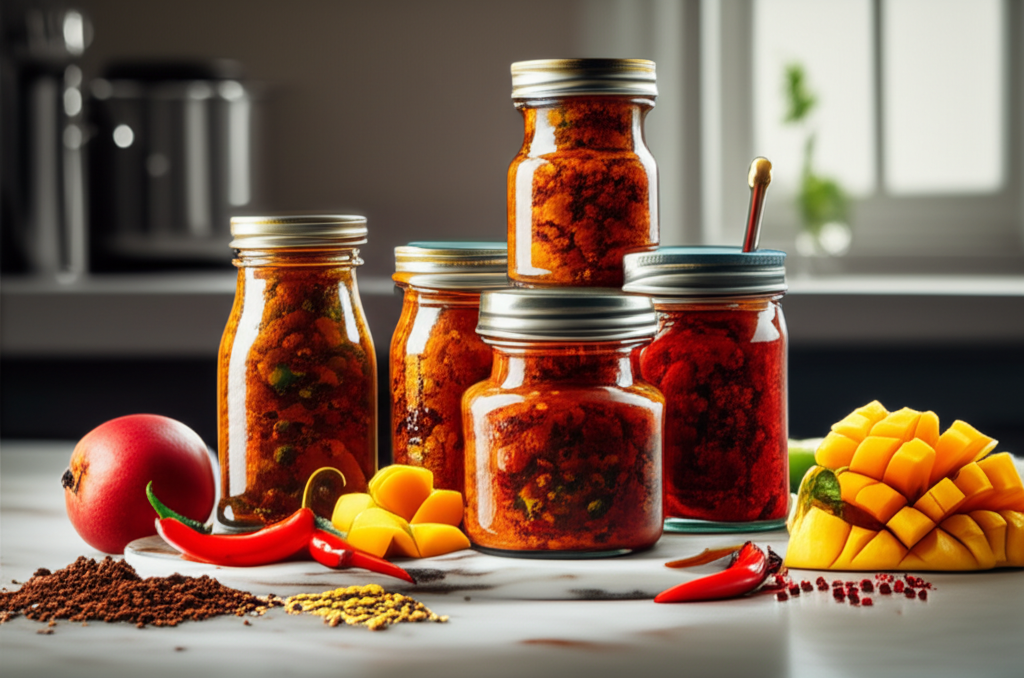
Achaar sauce, a vibrant Indian condiment, elevates any dish with its tangy, spicy, and complex flavor profile. Explore essential and irresistible recipes to master this versatile sauce and unlock a world of culinary possibilities.
Achaar sauce, a cornerstone of Indian cuisine, offers a delightful explosion of flavors that can transform ordinary meals into extraordinary culinary experiences. Its unique blend of spices, tangy fruits, and a hint of heat makes it incredibly versatile. Many home cooks find mastering authentic achaar sauce recipes a delightful challenge, often struggling with balancing the intense flavors or finding the right ingredients. This guide will demystify the process, providing essential and irresistible recipes that are both approachable and incredibly rewarding. Get ready to unlock the secrets to perfectly spiced achaar sauce and elevate your cooking.
What is Achaar Sauce and Why is it So Loved?
Achaar sauce is a beloved Indian condiment, essentially a pickle or relish in sauce form. It’s celebrated for its intensely savory, tangy, and spicy notes, achieved through a medley of spices and preserved ingredients like fruits or vegetables. Its unique flavor profile adds depth and excitement to an otherwise simple dish, making it a favorite across many cultures.
The love for achaar sauce stems from its incredible ability to add a punch of flavor with just a spoonful. It’s a culinary chameleon, pairing beautifully with everything from rice and roti to sandwiches and grilled meats. This versatility makes it an indispensable part of many pantries, offering a quick and easy way to elevate everyday meals.
The Core Components of a Classic Achaar Sauce
Understanding the foundational ingredients is key to mastering any achaar sauce recipe. These components work in harmony to create that signature complex taste. Each element plays a crucial role, from providing tang and heat to adding aromatic depth.
The base of most achaar sauces typically involves a tart fruit or vegetable, such as mango, lime, or mixed vegetables. This is then combined with a robust blend of spices. Common spices include mustard seeds, fenugreek seeds, fennel seeds, turmeric, chili powder, and asafoetida (hing).
Essential Spices for Authentic Achaar Sauce Flavor
The soul of any achaar sauce lies in its spice blend. These aromatic powerhouses are what give achaar its distinctive character and irresistible allure. Sourcing fresh, high-quality spices will make a significant difference in your final creation.
Key spices like mustard seeds (rai), fenugreek seeds (methi dana), and fennel seeds (saunf) provide a nutty, slightly bitter, and sweet base. Chili powder (lal mirch) delivers the heat, while turmeric (haldi) adds color and earthy notes. Asafoetida (hing) contributes a unique pungent aroma, reminiscent of garlic and onion, which is crucial for authentic flavor.
Recipe 1: Tangy Mango Achaar Sauce (Aam ka Achaar Sauce)
This classic mango achaar sauce recipe is a summer favorite, capturing the essence of ripe mangoes in a spicy, tangy concoction. It’s relatively straightforward to make and offers a delightful balance of sweet, sour, and spicy flavors. The vibrant yellow hue is as inviting as its taste.
This recipe is perfect for those new to making achaar, as it uses readily available ingredients and a forgiving process. The key is to use firm, slightly underripe mangoes to achieve the desired texture and tang. The resulting sauce is a testament to the magic of simple ingredients transformed by skillful spice blending.
Yields: Approx. 2 cups
Prep time: 30 minutes
Cook time: 15 minutes
Total time: 45 minutes
Ingredients:
3 medium firm, slightly underripe mangoes, peeled and cut into small cubes (about 1/4-inch)
1/2 cup mustard oil
2 tablespoons mustard seeds, coarsely ground
1 tablespoon fenugreek seeds
1 tablespoon fennel seeds
1 teaspoon nigella seeds (kalonji)
1 teaspoon turmeric powder
2 tablespoons red chili powder (adjust to taste)
1 teaspoon asafoetida (hing)
1/4 cup salt (or to taste)
1/4 cup white vinegar (optional, for preservation)
Instructions:
1. In a large, clean, dry bowl, combine the mango cubes, salt, turmeric powder, red chili powder, ground mustard seeds, fenugreek seeds, fennel seeds, nigella seeds, and asafoetida.
2. Mix everything thoroughly, ensuring each mango piece is well coated with the spices.
3. Heat the mustard oil in a small pan over low heat until it just begins to smoke. Remove from heat and let it cool slightly. Be careful not to overheat the oil, as it can make the achaar bitter.
4. Pour the slightly cooled mustard oil over the mango and spice mixture. Stir well to combine.
5. If using, add the white vinegar and mix.
6. Transfer the achaar sauce to clean, dry glass jars. Ensure the mango pieces are submerged in the oil.
7. Seal the jars tightly and let them sit at room temperature for at least 3-4 days, shaking the jars daily to distribute the oil and spices evenly. The achaar will mature and develop its flavor over time.
8. Refrigerate once mature. It can last for several months when stored properly.
This mango achaar sauce offers a delightful balance of sweet, sour, and spicy notes, perfect for pairing with rice and dal or as a side to sandwiches. Its bright flavor is a true taste of summer.
Recipe 2: Fiery Lime Achaar Sauce (Nimbu ka Achaar Sauce)
For those who crave a more intense citrus punch with a significant kick of heat, this fiery lime achaar sauce is the perfect choice. The preserved limes offer a unique, slightly bitter tang that complements the spices beautifully. It’s a bolder, more pungent version of traditional achaar.
This recipe requires a bit more patience as the limes need time to soften and meld with the spices. The result, however, is an incredibly flavorful condiment that can cut through richness and add complexity to any meal. It’s a true test of your achaar-making prowess.
Yields: Approx. 1.5 cups
Prep time: 20 minutes
Cook time: 10 minutes
Total time: 30 minutes (plus curing time)
Ingredients:
6-8 medium limes, washed and quartered
1/2 cup mustard oil
2 tablespoons mustard seeds, coarsely ground
1 tablespoon fenugreek seeds
1 tablespoon nigella seeds (kalonji)
1 tablespoon red chili powder (or more for extra heat)
1 teaspoon turmeric powder
1/2 teaspoon asafoetida (hing)
1/3 cup salt (or to taste)
1 tablespoon jaggery or sugar (optional, to balance tartness)
Instructions:
1. In a clean, dry bowl, combine the quartered limes, salt, turmeric powder, red chili powder, ground mustard seeds, fenugreek seeds, nigella seeds, and asafoetida.
2. If using, add the jaggery or sugar and mix well.
3. Gently toss the ingredients, ensuring the lime pieces are coated.
4. Heat the mustard oil in a small pan until it just starts to smoke, then remove from heat and let it cool slightly.
5. Pour the cooled oil over the lime and spice mixture. Stir thoroughly.
6. Transfer the mixture to clean, dry glass jars. Press down to ensure the limes are mostly covered by the oil.
7. Seal the jars and let them sit at room temperature for at least 7-10 days, shaking daily. The limes will soften, and the flavors will meld beautifully.
8. Refrigerate after the curing period. This achaar sauce will last for several months.
This fiery lime achaar sauce is an excellent accompaniment to savory dishes, offering a potent burst of citrus and spice. Its sharp flavor profile is incredibly addictive.
Recipe 3: Hearty Mixed Vegetable Achaar Sauce
For a versatile and universally appealing option, the mixed vegetable achaar sauce is a winner. It incorporates a variety of textures and flavors from different vegetables, creating a rich and complex condiment. This recipe is adaptable to whatever vegetables are in season.
This achaar sauce is perfect for those who enjoy a more substantial pickle. The medley of vegetables ensures a satisfying bite and a depth of flavor that pairs wonderfully with almost any meal. It’s a fantastic way to preserve seasonal produce.
Yields: Approx. 2.5 cups
Prep time: 40 minutes
Cook time: 20 minutes
Total time: 1 hour (plus curing time)
Ingredients:
1 cup carrots, peeled and diced small
1 cup cauliflower florets, cut small
1 cup green beans, trimmed and cut into 1-inch pieces
1/2 cup radish, peeled and diced small (optional)
1/2 cup raw mango or amla, peeled and diced small (optional, for extra tang)
1/2 cup mustard oil
3 tablespoons mustard seeds, coarsely ground
1 tablespoon fennel seeds
1 tablespoon fenugreek seeds
1 teaspoon nigella seeds (kalonji)
1 teaspoon turmeric powder
2 tablespoons red chili powder (adjust to taste)
1 teaspoon asafoetida (hing)
1/2 cup salt (or to taste)
1/4 cup white vinegar (optional)
Instructions:
1. Blanch the carrots, cauliflower, and green beans separately in boiling water for 2-3 minutes. Drain and pat them completely dry. This step is crucial to prevent spoilage.
2. In a large, dry bowl, combine the blanched vegetables, radish (if using), and raw mango or amla (if using).
3. Add salt, turmeric powder, red chili powder, ground mustard seeds, fennel seeds, fenugreek seeds, nigella seeds, and asafoetida. Mix well, ensuring all vegetables are evenly coated.
4. Heat the mustard oil in a pan until it just begins to smoke. Remove from heat and let it cool slightly.
5. Pour the cooled oil over the vegetable and spice mixture. Stir thoroughly.
6. If using, add the white vinegar and mix.
7. Transfer the achaar sauce to clean, dry glass jars. Ensure vegetables are submerged in oil.
8. Seal the jars and let them sit at room temperature for 5-7 days, shaking daily.
9. Refrigerate after the curing period. This achaar sauce will last for several months.
This mixed vegetable achaar sauce is a delightful combination of textures and flavors, making it a versatile addition to any meal. Its robust taste is truly satisfying.
Tips for Perfecting Your Achaar Sauce
Achieving that perfect achaar sauce flavor involves more than just following a recipe; it’s about understanding the nuances and employing a few key techniques. These tips will help you elevate your achaar from good to absolutely irresistible. Small adjustments can make a big difference.
The quality of your ingredients, especially the spices and oil, plays a monumental role. Using fresh, aromatic spices and good quality mustard oil will significantly enhance the final taste. Proper drying of ingredients and ensuring all equipment is clean and dry is paramount for longevity.
Understanding Mustard Oil and Its Role
Mustard oil is not just a cooking medium for achaar; it’s a critical flavor component. Its pungent aroma and sharp taste are integral to the authentic flavor profile of most Indian pickles. It also acts as a natural preservative, extending the shelf life of the achaar.
When selecting mustard oil, opt for cold-pressed varieties for the most authentic flavor and aroma. It’s essential to heat the oil to a specific point to mellow its pungency slightly and to ensure its preservative qualities are activated. This step is vital for both flavor and safety.
Storage and Shelf Life of Homemade Achaar Sauce
Proper storage is key to enjoying your homemade achaar sauce for as long as possible. Achaar, when made and stored correctly, can last for many months, even up to a year or more. The key is to keep it free from moisture and contamination.
Always store your achaar sauce in clean, airtight glass jars. Ensure that the oil layer remains on top, as this acts as a barrier against spoilage. Refrigeration is highly recommended for extending shelf life and maintaining optimal flavor, especially after the initial curing period.
Troubleshooting Common Achaar Sauce Problems
Even with the best intentions, sometimes achaar sauce doesn’t turn out as expected. Don’t get discouraged; most issues can be resolved with a little understanding. Here are some common problems and their solutions.
One common issue is a bitter taste, often caused by overheating the mustard oil or using too many fenugreek seeds. Another is a mushy texture, which can happen if the vegetables weren’t dried thoroughly or were overcooked. For a bland taste, simply add more salt and spices, and let it cure longer.
Here’s a quick guide to common achaar sauce issues:
| Problem | Possible Cause | Solution |
| :————— | :——————————————————- | :————————————————————————- |
| Bitter Taste | Overheated mustard oil; too much fenugreek seed. | Reheat oil gently; reduce fenugreek in future batches; add a pinch of sugar. |
| Mushy Texture | Vegetables not dried properly; overcooked. | Ensure ingredients are very dry; blanch briefly. |
| Bland Flavor | Insufficient salt or spices. | Add more salt and spices, and let it cure longer. |
| Mold Growth | Moisture contamination; insufficient oil. | Discard affected portion; ensure ingredients and jars are dry; add more oil. |
| Oil Separation | Incorrect oil-to-ingredient ratio; temperature changes. | Gently stir; if severe, may indicate spoilage. |
Creative Ways to Use Your Achaar Sauce Beyond Traditional Pairings
While achaar sauce is traditionally served with Indian staples like rice, dal, and roti, its versatility extends far beyond. Think of it as a flavor bomb that can instantly elevate a wide range of dishes. Experimentation is key to discovering new favorites.
Consider adding a dollop to your morning omelet or scrambled eggs for a spicy kick. It can also be a fantastic marinade for grilled chicken or fish, or a zesty addition to salad dressings and dips. Don’t be afraid to get creative with this potent condiment.
Frequently Asked Questions about Achaar Sauce
Q1: How long does homemade achaar sauce typically last?
Homemade achaar sauce, when stored properly in airtight glass jars in a cool, dark place or refrigerator, can last anywhere from 6 months to over a year. The high salt and oil content act as natural preservatives.
Q2: Can I use other types of oil instead of mustard oil?
While mustard oil is traditional and provides a unique pungent flavor, you can substitute it with other neutral oils like sunflower or vegetable oil. However, this will alter the authentic taste of the achaar sauce.
Q3: My achaar sauce is too spicy. What can I do?
If your achaar sauce is too spicy, you can try to mellow the heat by adding a bit of jaggery or sugar to balance the flavors. Letting it cure longer can also sometimes help to meld and slightly reduce the intensity of the chili.
Q4: What are the health benefits of achaar sauce?
Achaar sauce, made with spices like turmeric and fenugreek, can offer some health benefits due to the properties of these ingredients, such as anti-inflammatory and digestive aid. However, due to its high salt and oil content, it should be consumed in moderation.
Q5: Can I make achaar sauce without using any oil?
While traditional achaar relies heavily on oil for preservation and flavor, it is possible to make ‘oil-free’ versions. These typically use vinegar or lemon juice for preservation and might require refrigeration and have a shorter shelf life.
Conclusion: Embrace the Flavorful World of Achaar Sauce
Mastering achaar sauce recipes is a rewarding culinary journey that opens up a universe of vibrant flavors. Whether you opt for the sweet tang of mango, the zesty punch of lime, or the hearty medley of mixed vegetables, each recipe offers a unique taste of tradition. The process is simple, the ingredients are readily available, and the results are undeniably delicious.
Don’t shy away from the bold flavors of achaar sauce; embrace them! Use these essential and irresistible recipes as your starting point, and soon you’ll be experimenting with your own variations. This versatile condiment is sure to become a staple in your kitchen, adding excitement and depth to countless meals. Happy pickling, and happy eating!


Belayet Hossain is a Senior Tech Expert and Certified AI Marketing Strategist. Holding an MSc in CSE (Russia) and over a decade of experience since 2011, he combines traditional systems engineering with modern AI insights. Specializing in Vibe Coding and Intelligent Marketing, Belayet provides forward-thinking analysis on software, digital trends, and SEO, helping readers navigate the rapidly evolving digital landscape. Connect with Belayet Hossain on Facebook, Twitter, Linkedin or read my complete biography.