
Published on: 30/09/2025 | Updated on: September 30, 2025
Unlock the secret to vibrant, authentic Indian flavors with achar masala, the indispensable spice blend that transforms everyday dishes into culinary masterpieces. This guide reveals how to choose, use, and even make your own perfect achar masala for an explosion of taste.
Ever found yourself staring at a jar of pickles, wondering about that incredible depth of flavor? That magic, my friends, is often thanks to achar masala. This aromatic spice blend is the heart and soul of Indian pickles, but its uses extend far beyond. From lending a zesty kick to marinades to adding a complex layer to simple dals, achar masala is a pantry essential for anyone seeking authentic Indian taste. Many home cooks find it challenging to achieve that perfect balance of tang, spice, and aroma, leading to bland or overly sharp results. Don’t worry, I’m here to guide you through the wonderful world of achar masala, ensuring your dishes burst with flavor every time.
What Exactly Is Achar Masala?
Achar masala is a quintessential Indian spice blend, specifically formulated to create the characteristic taste of pickles, or ‘achar’. It’s a complex mixture of ground spices, often including fenugreek seeds, mustard seeds, fennel seeds, nigella seeds, and chili powder, sometimes balanced with a touch of turmeric and asafoetida. The exact composition can vary regionally and by household, leading to a diverse range of flavor profiles. This blend is designed to provide a tangy, spicy, and deeply aromatic foundation for preserving fruits and vegetables, making them last longer while infusing them with incredible taste.
This versatile spice mix is the secret weapon behind the complex and mouthwatering flavors found in traditional Indian pickles. It’s a carefully balanced combination of spices that work in harmony to create a unique taste profile. The core ingredients often include mustard seeds, fenugreek, fennel, and nigella seeds, all contributing distinct notes. When combined with chili powder and other aromatics, they create a blend that is both pungent and deeply satisfying.
The Essential Components of Achar Masala
The magic of achar masala lies in its carefully selected ingredients, each contributing a unique flavor note. While recipes vary, certain spices form the backbone of this beloved blend. Understanding these components will help you appreciate its complexity and even inspire you to create your own custom mix. It’s this symphony of spices that gives pickles their distinctive zing and aroma.
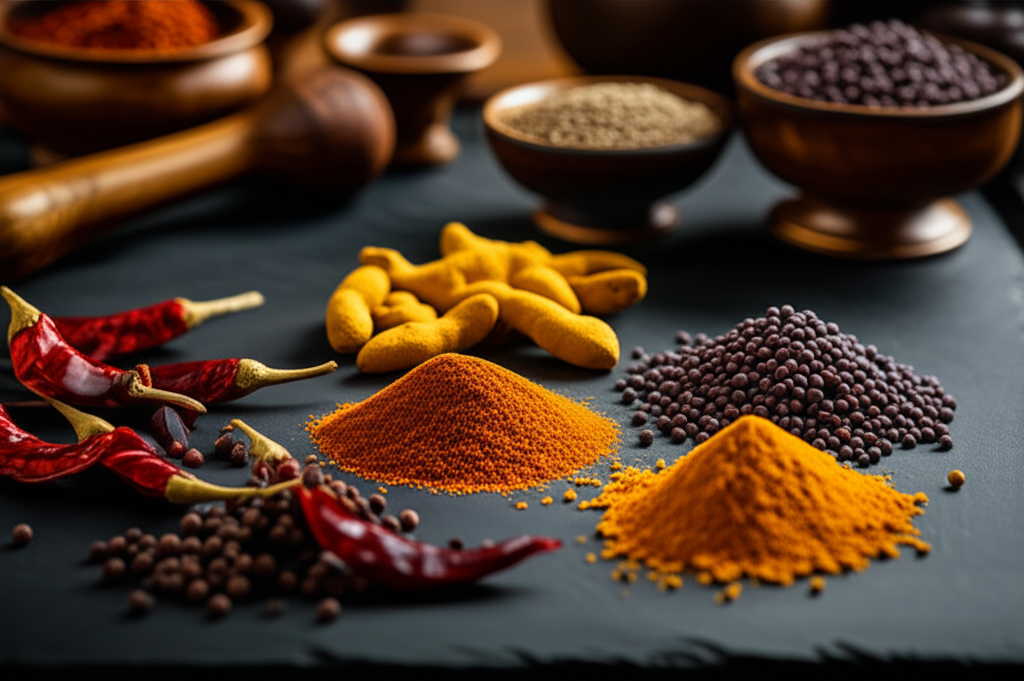
At its heart, achar masala is a celebration of bold flavors and aromatic spices. The foundation is typically built upon mustard seeds, which provide a pungent heat, and fenugreek seeds, known for their slightly bitter and maple-like aroma. Fennel seeds add a sweet, licorice-like note, while nigella seeds (kalonji) contribute a subtle oniony and peppery flavor. Chili powder is crucial for the heat, and turmeric adds a vibrant color and earthy undertones.
Mustard Seeds: The Pungent Powerhouse

Mustard seeds, whether black, brown, or yellow, are fundamental to achar masala. They provide a sharp, pungent heat that is characteristic of many Indian pickles. When ground or toasted, their flavor intensifies, releasing a delightful warmth that awakens the palate. Different types of mustard seeds can subtly alter the final heat and flavor profile of your achar masala.
The sharp bite of mustard seeds is essential for cutting through the richness of other ingredients and providing a lively kick. They are often roasted before grinding to mellow their raw pungency and enhance their nutty undertones. This step is crucial for developing the complex flavor that defines authentic achar.
Fenugreek Seeds: A Touch of Bitterness and Aroma
Fenugreek seeds (methi dana) are a key ingredient, offering a unique flavor profile that is slightly bitter, nutty, and aromatic. This bitterness is essential for balancing the other spices and adding depth to the pickle. When used in moderation, fenugreek contributes a subtle sweetness and a distinctive aroma that is instantly recognizable.
The slightly bitter notes of fenugreek are what give pickles their characteristic complexity. It’s a flavor that grows on you, adding layers of intrigue to every bite. Roasting fenugreek seeds lightly can help to temper their bitterness and bring out their inherent sweetness, making them more palatable in the blend.
Fennel Seeds: Sweetness and Anise Notes
Fennel seeds (saunf) are prized for their sweet, slightly anise-like flavor. They add a delightful aromatic sweetness that complements the pungency of the mustard seeds and the earthiness of other spices. This sweet note helps to round out the flavor profile, making the achar masala more palatable and enjoyable.
The fragrant aroma of fennel seeds is a significant contributor to the overall appeal of achar masala. They bring a cooling sweetness that balances the heat of the chilies and the sharpness of the mustard. This makes the pickle a more well-rounded and enjoyable condiment.
Nigella Seeds: Earthy and Onion-Like
Nigella seeds, also known as kalonji, impart a unique earthy, slightly bitter, and subtly onion-like flavor. They are small, black seeds that add a distinctive character to achar masala. Their intriguing taste profile adds another layer of complexity, making the pickles truly memorable.
These tiny black seeds are often called “black cumin” but are unrelated to true cumin. Their flavor is quite distinct, offering a savory depth that complements the other spices beautifully. Nigella seeds are a small but mighty addition that elevates the overall taste.
Chili Powder: The Kick of Heat
No achar masala is complete without chili powder, which provides the essential heat and vibrant color. The type and quantity of chili powder used can significantly impact the spice level, ranging from mildly warm to fiery hot. Kashmiri chili powder is often preferred for its bright red color and moderate heat.
The heat from chili powder is crucial for creating that signature piquant taste of Indian pickles. It’s the element that makes your taste buds tingle and adds an exciting dimension to any dish. Adjusting the amount of chili powder allows you to customize the spice level to your preference.
Turmeric and Asafoetida: Color and Aroma
Turmeric powder (haldi) lends achar masala its characteristic golden-yellow hue and offers subtle earthy notes. Asafoetida (hing), a pungent resin, adds a unique savory, almost oniony-garlicky flavor that is essential for authentic Indian cooking. Both are used in small quantities to enhance the overall flavor profile without overpowering the other spices.
Turmeric not only adds visual appeal but also brings its own set of health benefits and a grounding earthiness. Asafoetida is a powerful ingredient with a strong aroma that mellows significantly when cooked, providing a deeply savory umami base. Together, they contribute to the authentic taste and aroma of traditional pickles.
Regional Variations of Achar Masala
Just as India’s diverse culinary landscape boasts a spectrum of flavors, so too do its achar masalas. Each region, and often each household, has its own cherished recipe, passed down through generations. These variations reflect local produce, preferred spice profiles, and traditional preservation methods. Exploring these differences is a journey into the heart of regional Indian cuisine.
From the fiery red pickles of Rajasthan to the tangy mango pickles of the South, the spice blends tell a story. Understanding these regional nuances can help you select the perfect achar masala for your desired flavor profile. It’s a testament to the adaptability and richness of Indian culinary traditions.
North Indian Achar Masala
North Indian achar masalas often feature a robust blend with a prominent kick of mustard and chili. They tend to be more pungent and spicy, reflecting the region’s love for bold flavors. These blends are commonly used for pickling mangoes, limes, and mixed vegetables.
The emphasis in North Indian pickles is often on a strong, assertive flavor. Mustard oil is frequently used as the pickling medium, further enhancing the pungent notes. These masalas are designed to create pickles that are both intensely flavorful and have a long shelf life.
South Indian Achar Masala
South Indian achar masalas are known for their tangy and slightly sweeter profiles, often incorporating ingredients like fenugreek and asafoetida more prominently. Mustard seeds are still key, but the overall balance leans towards a more complex, nuanced taste. Lemon, mango, and tamarind are popular bases for pickles here.
The distinct sourness found in South Indian pickles often comes from ingredients like tamarind or specific types of mangoes. The spice blends are crafted to complement these tangy elements, creating a harmonious and deeply satisfying flavor. These masalas are integral to the region’s iconic breakfast dishes and side accompaniments.
East Indian Achar Masala
East Indian achar masalas, particularly from regions like Bengal, might include unique ingredients like mustard paste or poppy seeds. They often strike a balance between spicy, sour, and a hint of sweetness. Fish and vegetable pickles are common in this region, and their masalas are tailored accordingly.
The culinary traditions of Eastern India often feature a more subtle yet complex flavor profile. Mustard oil is a staple, and its pungent quality is expertly balanced with other spices. These masalas are designed to enhance, rather than overpower, the primary ingredients.
Choosing the Right Achar Masala: A Buyer’s Guide
With a plethora of achar masalas available, selecting the perfect one can feel overwhelming. Consider your personal taste preferences, the type of pickle you intend to make, and the ingredients listed on the package. Reading reviews and exploring different brands can also provide valuable insights. The goal is to find a blend that resonates with your palate and culinary aspirations.
When buying pre-made achar masala, look for high-quality ingredients and a balanced aroma. Avoid blends with excessive fillers or artificial preservatives if possible. Your choice will directly impact the final flavor of your pickles and any other dishes you use it in.
Read the Ingredient List
Always check the ingredient list to understand the flavor profile. If you prefer less heat, look for blends with milder chilies or a higher proportion of other spices. If you love a strong mustard kick, ensure mustard seeds are listed prominently. Understanding the components helps in making an informed decision.
The order of ingredients often indicates their proportion. Spices listed first are usually present in larger quantities. This simple tip can help you discern whether a blend leans more towards spicy, tangy, or aromatic.
Consider Your Culinary Needs
Are you making a specific type of pickle, like mango or lime? Some masalas are tailored for particular fruits or vegetables. If you plan to use it as a general seasoning, a well-balanced, versatile blend would be ideal. Think about how you’ll primarily use the achar masala.
For instance, a mango pickle masala might have a slightly sweeter undertone, while a lime pickle masala will be more intensely sour and pungent. Choosing a masala that complements your intended use will yield the best results.
Brand Reputation and Freshness
Opt for reputable brands known for their quality and consistency. Check the manufacturing and expiry dates to ensure freshness. Fresher spices yield more vibrant flavors. A trusted brand often guarantees a certain standard of quality and authentic taste.
High-quality spices retain their aromatic oils and pungent flavors for longer. Buying from trusted sources minimizes the risk of receiving stale or adulterated products. This ensures your culinary efforts are rewarded with delicious results.
DIY Achar Masala: Crafting Your Perfect Blend
Making your own achar masala is incredibly rewarding, allowing you to customize the flavors precisely to your liking. It’s a simple process that involves toasting and grinding whole spices. This hands-on approach guarantees freshness and an unparalleled depth of flavor. Don’t be intimidated; it’s easier than you think and the results are spectacular.
The satisfaction of using a homemade spice blend is immense. You control the quality of ingredients, the balance of spices, and the level of heat. This allows for a truly personalized achar masala that perfectly complements your culinary creations.
Gather Your Spices
A basic recipe includes mustard seeds (yellow or brown), fenugreek seeds, fennel seeds, nigella seeds, and dried red chilies. You might also add cumin seeds, coriander seeds, black peppercorns, and a pinch of turmeric and asafoetida. Ensure you have whole spices for the best aroma and flavor.
Using whole spices and toasting them yourself unlocks their essential oils, resulting in a far more potent and fragrant masala. It’s this toasting and grinding process that creates the magic.
Toasting for Maximum Flavor
Gently toast the whole spices in a dry pan over low heat until they become aromatic and slightly darker. Be careful not to burn them, as this will result in a bitter taste. Toasting brings out their essential oils and deepens their flavor.
Each spice might require slightly different toasting times. Mustard seeds, for example, may pop, while fenugreek and fennel seeds release their fragrance more subtly. Toasting in batches can help ensure even flavor development.
Grinding to Perfection
Allow the toasted spices to cool completely before grinding them into a coarse or fine powder, depending on your preference. A spice grinder or a mortar and pestle works well. Store the freshly ground achar masala in an airtight container.
A coarse grind can add interesting texture to pickles, while a fine powder integrates more seamlessly into marinades or gravies. Experiment to find what you like best.
Achar Masala Recipes: Beyond Pickles
While achar masala is synonymous with pickles, its vibrant flavor profile makes it a versatile ingredient in many other dishes. Its tangy, spicy, and aromatic notes can elevate everything from simple dals and vegetable stir-fries to marinades for meats and fish. Don’t limit this powerhouse spice blend to just pickles; explore its broader culinary potential.
Using achar masala as a seasoning is a fantastic way to introduce authentic Indian flavors into your cooking. It’s a shortcut to complexity, adding layers of taste with just a sprinkle. I love experimenting with it in unexpected places.
Marinating Meats and Poultry
Achar masala is an excellent rub or marinade for chicken, lamb, or fish. Mix it with yogurt, lemon juice, and ginger-garlic paste for a flavorful marinade that tenderizes and infuses the protein with a zesty, spicy kick. The spices help to break down the protein, ensuring a tender and juicy result.
The complex blend of spices in achar masala works wonders on grilled or baked meats. It creates a delicious crust and a deeply flavorful interior. This is a simple way to add an Indian twist to your barbecue or oven-baked dishes.
Flavoring Lentils and Dals
Stirring a teaspoon of achar masala into your favorite dal or lentil dish towards the end of cooking adds an immediate burst of flavor. It provides a tangy counterpoint to the earthy lentils, transforming a simple meal into something extraordinary. This is a quick and easy way to add depth to everyday vegetarian meals.
The spices in achar masala can cut through the richness of dals, adding a welcome zing. It’s a fantastic way to add complexity without needing to prepare multiple spice blends.
Enhancing Vegetable Dishes
Sautéing your favorite vegetables with a sprinkle of achar masala brings a delightful tang and spice. It’s particularly good with potatoes, cauliflower, okra, and mixed vegetables. This method provides a quick and flavorful way to enjoy a variety of vegetables.
Achar masala can turn a simple sauté into a vibrant dish. The spices caramelize slightly, enhancing the natural sweetness of the vegetables while adding their characteristic zest.
As a Condiment or Dip Base
Mix achar masala with plain yogurt or mayonnaise to create a zesty dip or spread. This is perfect for serving with snacks, sandwiches, or as a side for grilled dishes. The tangy and spicy notes are incredibly refreshing.
This simple preparation turns humble yogurt into an exciting condiment. It’s a fantastic way to add a punch of flavor to any meal or appetizer.
Storing Your Achar Masala
Proper storage is crucial for maintaining the freshness and potency of your achar masala, whether homemade or store-bought. Exposure to air, moisture, and heat can degrade the spices, diminishing their flavor and aroma. By following a few simple guidelines, you can ensure your achar masala stays delicious for months.
The key to long-lasting achar masala is keeping it protected from its enemies: light, air, and moisture. This preserves the volatile oils that give the blend its signature scent and taste. A little care goes a long way in the kitchen.
Airtight Containers are Key
Always store your achar masala in a clean, dry, and airtight container. Glass jars with tight-fitting lids are ideal. This prevents moisture from entering and the aromatic oils from escaping.
Ensure the container is completely dry before adding the masala. Even a tiny bit of moisture can lead to clumping and spoilage.
Cool, Dark Place
Keep your stored achar masala in a cool, dark place, such as a pantry or cupboard, away from direct sunlight and heat sources. Heat can accelerate the degradation of spices, causing them to lose their flavor more quickly.
Avoid storing it near the stove or oven, where temperature fluctuations are common. A consistent, cool environment is best for preserving quality.
Consider Refrigeration for Longevity
For extended storage, especially for homemade blends, refrigeration can further prolong freshness. The cold temperature slows down the rate at which the spices lose their potency. However, ensure the container is truly airtight to prevent moisture absorption.
If refrigerating, allow the container to come to room temperature before opening to minimize condensation. This helps maintain the quality and flavor for a longer period.
Troubleshooting Common Achar Masala Issues
Even with the best intentions, sometimes your achar masala or the pickles made with it might not turn out as expected. Common issues include being too bland, too sour, too spicy, or having an off-flavor. Understanding the potential causes can help you fix existing batches or avoid problems in the future. Don’t despair; most issues are fixable with a little adjustment.
It’s all about balance and understanding how each spice contributes. With a few simple tweaks, you can often rescue a dish or refine your next batch. Let’s tackle those common culinary conundrums.
Too Bland or Lacking Depth
If your achar masala tastes bland, it might be due to stale spices or an insufficient quantity. Try toasting and grinding fresh spices for a more potent blend. You might also need to increase the amount of masala used or add a pinch of asafoetida for more umami.
A lack of depth can also stem from not toasting the spices sufficiently, which is key to unlocking their full aromatic potential. Re-toasting and grinding might revive a dull blend.
Excessively Sour or Bitter
Overly sour pickles can result from too much souring agent (like lemon juice or vinegar) or a high proportion of fenugreek seeds. To balance sourness, you can add a touch of sweetness with jaggery or sugar. If bitterness is the issue, it’s often due to burnt spices during toasting or too much fenugreek.
Careful measurement and controlled toasting are vital. If a batch is too bitter, sometimes a little sweetness can mask it, but it’s best to be mindful during preparation.
Overpowering Spice or Heat
If the achar masala is too spicy, you can temper the heat by adding milder spices like coriander powder or a bit more turmeric. For pickles, diluting the masala with a bit more oil or a neutral brine can help. If it’s just too hot for your palate, consider using less in future recipes.
The type of chili powder used significantly impacts heat. Using a blend that includes Kashmiri chili powder can offer color without excessive spiciness.
Frequently Asked Questions About Achar Masala
What is the main purpose of achar masala?
Achar masala is primarily used to make Indian pickles (achar). It provides the characteristic tangy, spicy, and aromatic flavor that preserves fruits and vegetables.
Can I use achar masala in dishes other than pickles?
Absolutely! Achar masala is a versatile spice blend that can be used to flavor marinades, dals, vegetable stir-fries, and even dips, adding a unique zing to various dishes.
How do I store homemade achar masala?
Store homemade achar masala in an airtight container in a cool, dark place. For longer shelf life, you can refrigerate it, ensuring the container is well-sealed to prevent moisture absorption.
What are the key ingredients in most achar masalas?
Key ingredients typically include mustard seeds, fenugreek seeds, fennel seeds, nigella seeds, and chili powder. Turmeric and asafoetida are also common additions for color and flavor.
How can I make my achar masala less bitter?
To reduce bitterness, ensure you toast the fenugreek seeds lightly and avoid burning them. You can also adjust the ratio of fenugreek to other spices in your blend.
What’s the difference between store-bought and homemade achar masala?
Homemade achar masala offers superior freshness, allowing you to control ingredient quality and customize the flavor profile precisely. Store-bought versions are convenient but may vary in freshness and ingredient balance.
Conclusion: Embrace the Zest of Achar Masala
Achar masala is more than just a spice blend; it’s a gateway to the vibrant and complex flavors of Indian cuisine. Whether you’re making traditional pickles or looking to add a zesty kick to your everyday meals, understanding and utilizing achar masala is key. From its essential components and regional variations to DIY recipes and smart storage tips, this guide has equipped you with the knowledge to unlock ultimate flavor. So, embrace the tang, savor the spice, and let achar masala transform your culinary adventures.

Belayet Hossain is a Senior Tech Expert and Certified AI Marketing Strategist. Holding an MSc in CSE (Russia) and over a decade of experience since 2011, he combines traditional systems engineering with modern AI insights. Specializing in Vibe Coding and Intelligent Marketing, Belayet provides forward-thinking analysis on software, digital trends, and SEO, helping readers navigate the rapidly evolving digital landscape. Connect with Belayet Hossain on Facebook, Twitter, Linkedin or read my complete biography.