
Published on: 30/09/2025 | Updated on: September 30, 2025
Achiote sauce unlocks a world of vibrant flavor and stunning color, transforming everyday dishes into culinary masterpieces. Discover its essential secrets and learn how to use this versatile ingredient to elevate your cooking.
Ever found yourself staring at a dish that’s just begging for a pop of color and a unique, earthy flavor? That’s where achiote sauce steps in, a true culinary chameleon that brings both visual appeal and a complex taste profile to the table. Many home cooks are intimidated by its vibrant hue or unfamiliarity, leading them to miss out on its incredible versatility. But don’t worry, I’m here to guide you through the fascinating world of achiote sauce, revealing its secrets and showing you just how easy and rewarding it is to use. Get ready to transform your meals from ordinary to extraordinary with this incredible ingredient.
What Exactly is Achiote Sauce?
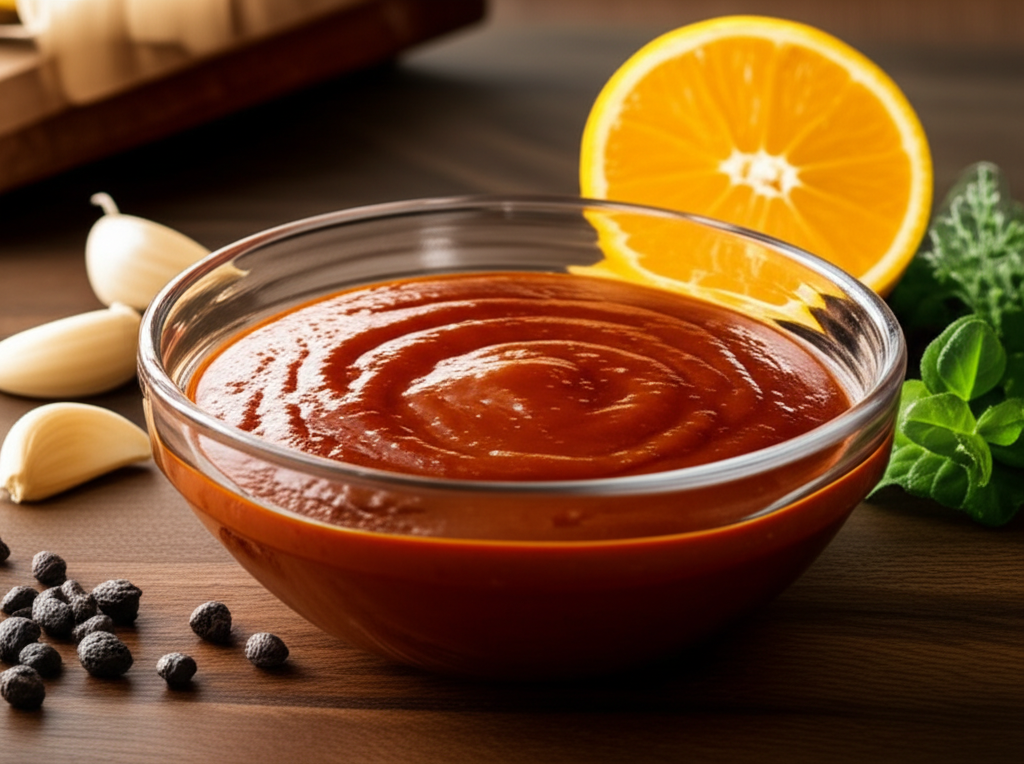
Achiote sauce is a flavorful condiment and cooking ingredient derived from the seeds of the annatto tree. These seeds, often ground into a paste or powder, are then combined with other ingredients like vinegar, spices, and sometimes oil or citrus to create the sauce. Its most distinctive feature is its brilliant reddish-orange color, which it imparts to dishes without an overpowering flavor.
This vibrant sauce is a staple in many Latin American and Caribbean cuisines, celebrated for its ability to add both visual appeal and a subtle, peppery, slightly nutty taste. It’s not just about color; achiote sauce offers a nuanced flavor that complements a wide range of proteins and vegetables.
The Humble Origins of Achiote: From Ancient Civilizations to Your Kitchen
The story of achiote is as rich and colorful as the sauce itself, stretching back thousands of years. Indigenous peoples across Mesoamerica and South America were the first to discover the annatto tree’s potential. They utilized the seeds not only for their coloring properties in body paint and textiles but also for their medicinal and culinary uses.
For centuries, achiote was a closely guarded secret, passed down through generations. Its adoption into broader culinary traditions has been a gradual but impactful process. Learning about its history adds a layer of appreciation for this amazing ingredient.
Unpacking the Flavor Profile: What Makes Achiote Sauce So Irresistible?
Achiote sauce offers a flavor profile that is both subtle and distinctive. It’s often described as having earthy, peppery, and slightly nutty notes, with a hint of sweetness. Crucially, the flavor is not overwhelmingly strong, allowing it to enhance rather than dominate other ingredients.
This delicate balance is what makes achiote sauce so versatile. It can be used in marinades, rubs, or directly in cooking without fear of overpowering the dish. Its mild yet complex taste makes it a secret weapon for adding depth and intrigue to your recipes.
The Essential Ingredient: Annatto Seeds (Achiote)
At the heart of every achiote sauce are the annatto seeds, also known as achiote seeds. These small, reddish-orange seeds are harvested from the achiote tree (Bixa orellana). They are the primary source of both the vibrant color and the unique flavor found in the sauce.
These seeds are typically ground into a powder or made into a paste, which then forms the base for various achiote preparations. Understanding the seed is key to understanding the sauce’s magic. You can often find annatto powder or paste in Latin American markets or the international aisle of larger grocery stores.
Crafting Your Own: A Simple Achiote Sauce Recipe
Making your own achiote sauce at home is surprisingly straightforward and allows you to control the ingredients and spice level. The basic recipe involves infusing oil or butter with annatto seeds and then combining this infused base with other flavorings. It’s a rewarding process that yields a truly authentic taste.
Here’s a simple guide to get you started:
Ingredients:

1/4 cup annatto seeds (achiote seeds)
1/2 cup neutral oil (like vegetable or canola) or unsalted butter
1/4 cup white vinegar or lime juice
1/2 teaspoon salt
1/4 teaspoon black pepper
Optional: 1 clove garlic, minced; a pinch of cumin
Instructions:
1. Infuse the Oil/Butter: Gently heat the oil or butter in a small saucepan over low heat. Add the annatto seeds and let them simmer, stirring occasionally, for about 10-15 minutes. The oil should turn a deep red-orange color. Be careful not to burn the seeds.
2. Strain: Carefully strain the infused oil through a fine-mesh sieve into a heatproof bowl, discarding the seeds.
3. Combine Flavors: Whisk the vinegar or lime juice, salt, pepper, and any optional ingredients into the warm achiote-infused oil.
4. Cool and Store: Let the sauce cool completely. It will thicken slightly as it cools. Store in an airtight container in the refrigerator for up to two weeks.
This homemade achiote sauce will bring an authentic touch to your dishes. It’s a fantastic way to experiment with this unique flavor.
Beyond the Color: Culinary Applications of Achiote Sauce
While the vibrant color of achiote sauce is its most striking feature, its culinary applications extend far beyond aesthetics. It’s a secret ingredient that can elevate marinades, rubs, stews, rice dishes, and even pasta sauces. Its mild flavor profile makes it incredibly adaptable to various cuisines.
Think of it as a flavor enhancer and a natural food coloring all in one. Its ability to add depth without overwhelming other ingredients makes it a favorite among chefs and home cooks alike.
Top Dishes to Enhance with Achiote Sauce
Achiote sauce is incredibly versatile and can be used in a multitude of dishes. Here are some of the most popular and delicious ways to incorporate it into your cooking:
Pernil (Roast Pork): Achiote paste or sauce is essential for the traditional Puerto Rican pernil, creating a beautifully colored and incredibly flavorful crust.
Cochinita Pibil: This slow-roasted pork dish from the Yucatán Peninsula in Mexico is famously seasoned with achiote, giving it its signature color and taste.
Rice and Beans: Stirring a spoonful of achiote sauce into rice or beans before cooking adds a beautiful hue and a subtle, earthy undertone.
Marinades for Chicken or Fish: Use achiote sauce as a base for marinades to give poultry or seafood a delightful color and a hint of exotic flavor.
Vegetable Roasts: Toss vegetables like potatoes, carrots, or cauliflower with achiote sauce before roasting for a visually appealing and flavorful side dish.
Soups and Stews: A small amount can add a beautiful color and a touch of complexity to brothy soups or rich stews.
Exploring these dishes will quickly show you the magic of achiote sauce. It’s a simple addition that makes a significant impact.
Achiote Sauce vs. Other Flavor Enhancers: A Comparative Look
When considering flavor enhancers, achiote sauce stands out for its unique combination of color and taste. Unlike chili-based sauces that bring intense heat, or soy sauce which offers a deep umami, achiote provides a gentler, more nuanced flavor profile. Its primary role is often as a visual enhancer, but its subtle taste adds a layer of complexity that is hard to replicate.
Here’s a quick comparison:
| Feature | Achiote Sauce | Sriracha | Turmeric Powder | Paprika (Sweet) |
| :—————- | :——————————————— | :——————————————– | :——————————————— | :——————————————— |
| Primary Color | Vibrant Red-Orange | Bright Red | Deep Yellow-Orange | Bright Red |
| Flavor Profile| Earthy, peppery, slightly nutty, mild | Spicy, garlicky, slightly sweet | Warm, earthy, slightly bitter, pungent | Sweet, mild, slightly smoky (depending on type)|
| Heat Level | Very Mild to None | Medium to High | Mild | Mild |
| Common Uses | Marinades, roasts, rice, stews, rubs | Sauces, marinades, dips, stir-fries | Curries, rice, soups, roasted vegetables | Rubs, goulash, stews, deviled eggs |
| Key Ingredient| Annatto Seeds | Jalapeño peppers, garlic, vinegar, sugar | Ground turmeric rhizome | Ground dried peppers |
This comparison highlights how achiote sauce occupies a special niche, offering color and a delicate flavor without overwhelming heat or dominant tastes. It’s a unique addition to any pantry.
Finding Quality Achiote Sauce and Annatto Products
Locating high-quality achiote sauce and annatto products is key to unlocking the best flavor and color. Your best bet is often specialty Latin American or Caribbean grocery stores, where you’ll find a wider selection and often more authentic preparations. Many international aisles in larger supermarkets also carry annatto powder or paste.
When purchasing, look for products with minimal additives. If buying pre-made sauce, check the ingredients list for annatto seeds or paste as the primary ingredient. For annatto seeds, choose plump, vibrant seeds.
Tips for Storing and Using Achiote Sauce
Proper storage ensures your achiote sauce retains its vibrant color and fresh flavor. Homemade achiote sauce, as described earlier, should be stored in an airtight container in the refrigerator and typically lasts for about two weeks. Store-bought versions will have their own specific storage instructions on the packaging.
When using achiote sauce, a little goes a long way. Start with a small amount and add more to achieve your desired color and flavor intensity. It’s a forgiving ingredient, so don’t be afraid to experiment.
Frequently Asked Questions about Achiote Sauce
What is the main flavor of achiote sauce?
The main flavor of achiote sauce is subtly earthy, peppery, and slightly nutty, with a mild character that enhances rather than overpowers other ingredients.
Is achiote sauce spicy?
Typically, achiote sauce is not spicy. The heat level is very mild, making it suitable for most palates.
Can I substitute anything for achiote sauce?
While no direct substitute captures the exact color and flavor, you can use a combination of paprika for color and a pinch of cumin for earthiness if achiote is unavailable.
Where can I buy achiote sauce?
You can find achiote sauce, paste, or annatto seeds at Latin American or Caribbean grocery stores, international food aisles in supermarkets, and online retailers.
How long does homemade achiote sauce last?
Homemade achiote sauce, when stored properly in an airtight container in the refrigerator, generally lasts for about two weeks.
What are the health benefits of annatto (achiote)?
Annatto seeds are rich in antioxidants, particularly carotenoids, which are beneficial for eye health and skin. They also contain vitamins and minerals.
Can I use achiote paste and achiote sauce interchangeably?
While both come from annatto seeds, achiote paste is a more concentrated form and may need to be thinned with liquids like vinegar or citrus juice to achieve a sauce consistency. Achiote sauce is ready to use.
Conclusion: Embrace the Vibrant Magic of Achiote Sauce
From its ancient roots to its place on modern tables, achiote sauce offers a unique blend of visual appeal and subtle, captivating flavor. Whether you’re aiming to recreate a beloved traditional dish or simply looking to add a new dimension to your cooking, this vibrant sauce is an essential tool. Its versatility, mild yet distinctive taste, and stunning color make it a secret weapon for any home chef.
Don’t let its unfamiliarity deter you; exploring achiote sauce is a culinary adventure that promises delicious rewards. So, grab some annatto seeds, experiment with a homemade batch, or seek out a quality store-bought version, and get ready to transform your meals with the irresistible magic of achiote sauce. Your taste buds will thank you for it!

Belayet Hossain is a Senior Tech Expert and Certified AI Marketing Strategist. Holding an MSc in CSE (Russia) and over a decade of experience since 2011, he combines traditional systems engineering with modern AI insights. Specializing in Vibe Coding and Intelligent Marketing, Belayet provides forward-thinking analysis on software, digital trends, and SEO, helping readers navigate the rapidly evolving digital landscape. Connect with Belayet Hossain on Facebook, Twitter, Linkedin or read my complete biography.