
Published on: 30/09/2025 | Updated on: September 30, 2025
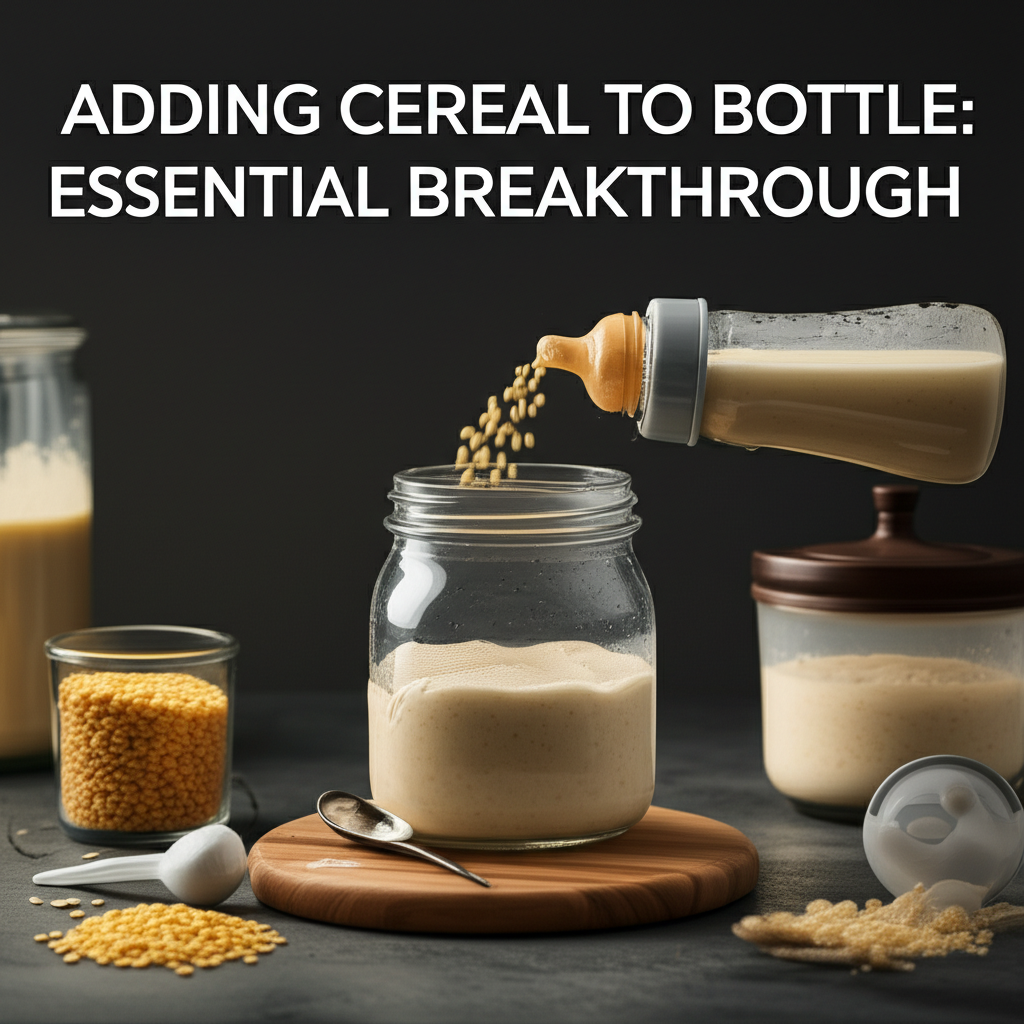
Adding Cereal To Bottle: Essential Breakthrough for On-the-Go Nutrition
Discover the simple yet revolutionary technique of adding cereal to a bottle for convenient, mess-free feeding. This breakthrough ensures busy parents and caregivers can provide essential nutrition anytime, anywhere, transforming mealtime challenges into effortless moments.
Navigating parenthood often feels like a constant juggle, especially when it comes to feeding your little one. You’re always on the move, and sometimes, traditional meal prep just isn’t feasible. This is where a simple, yet often overlooked, solution can make a world of difference: learning the art of adding cereal to a bottle. It’s a game-changer for ensuring your baby gets their much-needed nutrients without the fuss of spills or elaborate setups. Let’s explore how this essential breakthrough can simplify your life and nourish your child.
Why Adding Cereal to a Bottle is a Smart Move
This method offers unparalleled convenience for busy parents and caregivers. It allows for quick, on-the-go feeding solutions, ensuring your baby never misses a meal, even when time is tight.
Adding cereal to a baby’s bottle can be a fantastic way to boost their caloric and nutritional intake, especially for younger infants or those needing to gain weight. It’s a widely accepted practice that many parents find incredibly useful for busy schedules. This technique is not just about convenience; it’s about ensuring consistent nutrition for your growing child.
The Nutritional Benefits of Fortified Cereals

Many baby cereals are fortified with essential vitamins and minerals crucial for a baby’s development. Iron, in particular, is a key nutrient often added to infant cereals, which is vital for cognitive development.
These cereals provide a readily available source of energy and can help introduce new textures and flavors to your baby’s diet in a familiar format. The fortification ensures that even a small amount contributes significantly to your baby’s daily nutritional requirements.
Understanding Different Cereal Types for Bottles
When considering adding cereal to a bottle, selecting the right type is paramount. Opt for single-grain cereals like rice, oatmeal, or barley, which are less likely to cause digestive upset.
Avoid multi-grain or those with added fruits and sugars initially, as they may have a coarser texture that can clog the nipple. Always check the packaging for age recommendations and ingredient lists to ensure suitability for your baby.
The Step-by-Step Guide to Adding Cereal to a Bottle
This section will walk you through the entire process, from preparation to feeding, ensuring a smooth and successful experience. We’ll cover everything you need to know to master this technique.
Follow these simple steps to successfully add cereal to your baby’s bottle, making feeding time a breeze.
Step 1: Gather Your Supplies
Before you begin, ensure you have all necessary items ready. This includes the baby bottle, the chosen infant cereal, your baby’s formula or breast milk, and a clean measuring spoon.
Having everything within reach will streamline the process and prevent any last-minute scrambling. A prepared setup makes for a calmer feeding experience for both you and your baby.
Step 2: Prepare the Formula or Breast Milk
Prepare your baby’s bottle with the usual amount of formula or expressed breast milk. Ensure it is at the correct temperature, as you would for any regular feeding.
It’s crucial to have the liquid base ready before adding the cereal, as the cereal will thicken the mixture. This step ensures the cereal disperses evenly and doesn’t clump.
Step 3: Measure the Cereal
Use a clean, dry measuring spoon to carefully measure the desired amount of infant cereal. The amount will depend on your baby’s age and your pediatrician’s recommendations, typically starting with one teaspoon.
Start with a small amount and gradually increase as your baby gets accustomed to the thicker consistency. Always refer to feeding guidelines for appropriate portion sizes.
Step 4: Add Cereal to the Bottle
Gently add the measured cereal into the bottle containing the formula or breast milk. Avoid pouring it in too quickly, which can cause clumping.
This is the core of the “adding cereal to bottle” breakthrough – the careful integration of nutrition. Take your time to ensure a smooth addition.
Step 5: Mix Thoroughly
Secure the nipple and cap onto the bottle and shake well. You want to ensure the cereal is completely mixed and there are no lumps.
Shake vigorously until the mixture is smooth and consistent. If you notice any clumps, you can gently swirl the bottle or use a bottle brush to break them up.
Step 6: Test the Flow Rate
Before feeding your baby, test the nipple to ensure the cereal mixture flows correctly. The cereal will thicken the liquid, potentially requiring a faster flow nipple.
If the flow is too slow, you might need to use a slightly larger nipple opening or a variable-flow nipple. A proper flow rate is essential for a comfortable feeding experience.
Step 7: Feed Your Baby
Once you’ve confirmed the consistency and flow, you can begin feeding your baby as usual. Observe your baby for any signs of discomfort or difficulty.
This is the culmination of the “adding cereal to bottle” technique, providing a nutritious meal on demand. Enjoy this convenient feeding moment.
Choosing the Right Nipple for Cereal Feeding
The standard nipple might not be sufficient when feeding cereal mixed with liquid. Opting for a faster flow nipple is often necessary to accommodate the thicker consistency.
Consider variable-flow nipples, which allow you to adjust the flow rate based on your baby’s needs and the thickness of the feed. This ensures a comfortable and safe feeding experience.
When to Switch to a Faster Flow Nipple
If your baby shows signs of frustration, pulls away from the bottle, or seems to be working too hard to get milk, it’s time for a faster flow nipple. This indicates the current nipple is too slow for the thickened liquid.
A nipple that is too slow can lead to fatigue and an incomplete feeding. Conversely, a nipple that is too fast can cause choking or gagging.
Types of Nipples to Consider
There are several types of nipples suitable for cereal feeding. These include Y-cut nipples, which offer a variable flow, and cross-cut nipples, designed for thicker liquids.
Many brands offer specialized “cereal nipples” or “thick-feed nipples” designed specifically for this purpose. Always consult the product guidelines for suitability.
Important Considerations and Potential Challenges
While adding cereal to a bottle is a breakthrough, it’s essential to be aware of potential issues. These can range from nipple clogging to digestive discomfort for the baby.
Being prepared for these challenges allows you to address them effectively, ensuring a positive feeding experience. Understanding these nuances is key to mastering the technique.
Preventing Nipple Clogging
Nipple clogging is a common issue when feeding cereal-laden bottles. Ensuring the cereal is thoroughly mixed and using the appropriate nipple can significantly reduce this problem.
If clogging occurs, gently swirl the bottle or use a bottle brush to dislodge the cereal. Sometimes, a quick rinse of the nipple under warm water can help.
Digestive Issues and Gas
Introducing cereal into a bottle can sometimes lead to increased gas or digestive discomfort for your baby. This is often due to the thicker consistency or the new ingredients.
Always start with a small amount of cereal and gradually increase it. Burping your baby more frequently during and after feeding can also help alleviate gas.
Consistency and Thickness Adjustments
The ideal thickness of the cereal-bottle mixture can vary. You may need to experiment to find the perfect consistency that your baby can manage comfortably.
Too thick, and it might be difficult to suck; too thin, and it might not provide the desired nutritional boost. Listen to your baby’s cues and adjust accordingly.
When to Introduce Cereal into a Bottle
The decision to introduce cereal into a bottle should always be guided by your pediatrician. Generally, this practice is recommended for babies around 4-6 months of age, once they show signs of readiness for solid foods.
Signs of readiness include good head control, the ability to sit up with support, and showing interest in food. Never introduce cereal before your baby is developmentally ready for it.
Consulting Your Pediatrician
Your pediatrician is your best resource for advice on introducing solids and cereal. They can provide personalized guidance based on your baby’s specific needs and developmental stage.
They can also advise on the best types of cereals to use and the appropriate quantities to start with. This consultation is a vital part of ensuring your baby’s healthy development.
Signs Your Baby is Ready for Cereal
Look for cues like an increased appetite that milk alone can’t satisfy, an open mouth when food is offered, and the disappearance of the tongue-thrust reflex. These indicate your baby is ready to explore new feeding textures.
These developmental milestones are crucial indicators that your baby is prepared for the introduction of semi-solid foods like cereal.
Alternatives to Adding Cereal to a Bottle
While adding cereal to a bottle is convenient, it’s not the only way to introduce solids. Spoon-feeding pureed or mashed foods offers a different sensory experience and can help develop different feeding skills.
Exploring various feeding methods ensures your baby receives a well-rounded introduction to solid foods and diverse textures.
Spoon-Feeding Purees
Spoon-feeding is the traditional method and allows babies to practice swallowing thicker consistencies and develop oral motor skills. It also provides an opportunity for parents to observe their baby’s reactions to different foods more closely.
This method can be more engaging for some babies, allowing them to explore tastes and textures at their own pace. It’s a valuable part of the weaning process.
Baby-Led Weaning (BLW)
Baby-led weaning involves offering soft, manageable pieces of food that the baby can feed themselves. This approach promotes independence and helps babies learn to self-regulate their intake.
BLW encourages exploration and can help prevent picky eating habits later on. However, it requires careful supervision and appropriate food choices.
Making Mealtime Easier with Food Delivery Services
In today’s fast-paced world, convenience is key, and food delivery services have become indispensable. While not directly related to adding cereal to a bottle, these services can significantly ease the burden of meal preparation for the entire family.
From ready-to-eat meals to meal kits, these services can free up valuable time, allowing you to focus on essential tasks like feeding your baby or simply enjoying a moment of rest.
Comparing Popular Food Delivery Apps
Numerous food delivery apps cater to various needs, from restaurant meals to grocery delivery. Each offers unique benefits, pricing structures, and delivery zones.
Understanding the landscape of food delivery services can help you choose the best option for your household’s specific requirements and budget.
| Service Type | Key Features | Best For | Potential Downsides |
|—|—|—|—|
| Restaurant Delivery Apps (e.g., DoorDash, Uber Eats) | Wide restaurant selection, fast delivery | Craving specific restaurant food, quick meals | Higher fees, limited healthy options sometimes |
| Meal Kit Services (e.g., HelloFresh, Blue Apron) | Pre-portioned ingredients, easy recipes | Busy individuals/couples wanting to cook | Requires cooking time, packaging waste |
| Grocery Delivery Services (e.g., Instacart, Shipt) | Shop from local stores, wide product variety | Stocking up on staples, specific ingredients | Delivery windows, potential for out-of-stock items |
| Prepared Meal Delivery (e.g., Freshly, Factor) | Fully cooked meals, ready to heat | Extreme time constraints, single servings | Less customization, can be pricier per meal |
This table highlights the diverse options available, helping you make an informed choice for your family’s meal solutions.
Tips for Using Delivery Services with a Baby
When using food delivery services with a baby, prioritize convenience and speed. Ordering meals that require minimal preparation or can be eaten quickly is ideal.
Look for services offering family-sized portions or healthy, ready-to-eat options that can be easily reheated. This allows you to maintain a balanced diet without adding to your workload.
Frequently Asked Questions About Adding Cereal to a Bottle
Here are answers to some common questions parents have about this feeding method.
Can I add cereal to any type of bottle?
Yes, you can add cereal to most standard baby bottles. However, you might need to switch to a nipple with a larger opening or a variable-flow design to accommodate the thicker consistency.
How much cereal should I add to a bottle?
Start with about one teaspoon of dry cereal per 2-4 ounces of formula or breast milk. Your pediatrician can provide specific recommendations based on your baby’s age and nutritional needs.
What are the signs my baby is not tolerating cereal in their bottle?
Signs include increased fussiness, gas, constipation, or spitting up more than usual. If you notice these symptoms, consult your pediatrician and consider reducing the amount of cereal or trying a different type.
Is it okay to add cereal to breast milk in a bottle?
Yes, it is generally safe to add cereal to breast milk in a bottle. However, breast milk can thicken quickly, so it’s best to mix it just before feeding and ensure it’s consumed promptly.
When can I stop adding cereal to my baby’s bottle?
You can stop adding cereal to the bottle when your baby is comfortable with spoon-feeding thicker purees or mashed foods. Most babies transition away from bottle-cereal by the time they are more established with solid foods, often around 8-10 months.
Conclusion: Mastering the Art of Adding Cereal to Bottle
Learning the technique of adding cereal to a bottle is an essential breakthrough for many parents seeking convenient and nutritious feeding solutions. It offers a practical way to boost your baby’s intake of vital nutrients, especially when you’re on the go or short on time. By understanding the right cereal types, the step-by-step process, and potential challenges, you can confidently implement this method. Always consult your pediatrician for personalized advice to ensure it aligns with your baby’s developmental stage and health needs. This simple practice can truly transform feeding routines, making them less stressful and more nourishing.

Belayet Hossain is a Senior Tech Expert and Certified AI Marketing Strategist. Holding an MSc in CSE (Russia) and over a decade of experience since 2011, he combines traditional systems engineering with modern AI insights. Specializing in Vibe Coding and Intelligent Marketing, Belayet provides forward-thinking analysis on software, digital trends, and SEO, helping readers navigate the rapidly evolving digital landscape. Connect with Belayet Hossain on Facebook, Twitter, Linkedin or read my complete biography.