
Published on: 01/10/2025 | Updated on: October 1, 2025
African Rice: Your Ultimate Guide to Exploring This Staple Grain
Discover the rich world of African rice, a vital grain across the continent. This guide explores its varieties, cultivation, culinary uses, and cultural significance, offering everything you need to know about this essential food. Learn how to identify, prepare, and appreciate African rice in your kitchen.
Navigating the vast landscape of global cuisines can be a delightful adventure, but sometimes the most exciting discoveries are closer than we think. African rice, a cornerstone of diets across an entire continent, offers a universe of flavors, textures, and traditions waiting to be explored. You might be wondering about its unique characteristics, how it differs from other rice varieties, or simply how to cook it perfectly. Don’t worry, I’ve got you covered. This guide is designed to be your friendly companion, demystifying African rice and empowering you to enjoy it to its fullest.
What is African Rice?
African rice is a fascinating staple grain, encompassing a variety of indigenous species and cultivated varieties that have been a dietary cornerstone for millennia. It’s not just one type of rice but a diverse group, each with its own unique properties and culinary applications. Understanding African rice means delving into its history, its place in different cultures, and its distinct culinary contributions.
A Journey Through Indigenous Varieties

The term “African rice” primarily refers to Oryza glaberrima, a species native to West Africa. It’s distinct from the more globally common Asian rice, Oryza sativa. This indigenous species boasts unique traits like drought tolerance and pest resistance, making it perfectly adapted to the African environment. Over centuries, it has diversified into numerous landraces, each suited to specific local conditions and preferences.
The Global Cousin: Oryza sativa in Africa
While Oryza glaberrima is the true African rice, the continent also extensively cultivates Oryza sativa, introduced from Asia. This Asian variety has become incredibly popular due to its higher yield potential and wider market acceptance. However, understanding the distinction is key to appreciating the full spectrum of rice consumed and grown in Africa. Many dishes we associate with African cuisine often utilize the more readily available Oryza sativa.
The Rich History and Cultural Significance of African Rice
The story of African rice is deeply intertwined with the continent’s history and cultural tapestry. Its cultivation dates back thousands of years, predating the introduction of Asian rice varieties. This grain has sustained communities, played a role in trade, and become a symbol of hospitality and celebration across various African societies. Its presence is felt in daily meals, festive occasions, and traditional ceremonies, reflecting its profound importance.
Ancient Roots in West Africa
Archaeological evidence suggests that Oryza glaberrima was domesticated independently in the inland delta of the Niger River around 2,000 to 3,000 years ago. This makes it one of the world’s few independently domesticated crops. Its adaptation to the challenging West African climate, including fluctuating water levels and nutrient-poor soils, highlights the ingenuity of early African agriculturalists. This ancient grain has a lineage as long and rich as any other major staple crop globally.
Rice as a Symbol and Staple
Across many African cultures, rice is more than just food; it’s a symbol of prosperity, unity, and peace. Offering rice to guests is a gesture of respect and hospitality. Its preparation often involves communal effort, strengthening social bonds. In many regions, a meal without rice is considered incomplete, underscoring its status as an essential staple that nourishes both body and soul.
Exploring the Diverse Varieties of African Rice
When we talk about African rice, we’re referring to a broad category that includes both the indigenous Oryza glaberrima and various Oryza sativa cultivars adapted to African growing conditions. Each type offers a unique culinary experience, from the nutty aroma of some glaberrima varieties to the tender texture of popular sativa strains.
Understanding Oryza Glaberrima
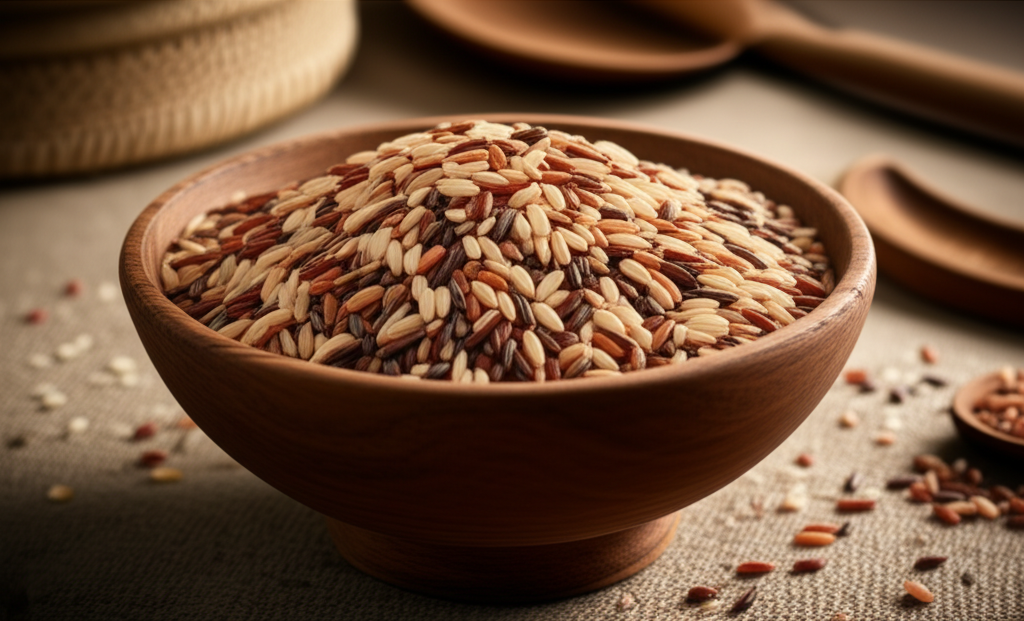
Oryza glaberrima, often called “red rice” due to the reddish bran layer, has a distinct aroma, often described as nutty or earthy. Its grains are typically shorter and thicker than sativa varieties. While it may require slightly longer cooking times and more water, its unique flavor and aroma are prized in traditional dishes. Its resilience in challenging environments is a testament to its indigenous adaptation.
Popular Oryza Sativa Cultivars in Africa
The majority of rice consumed and produced in Africa today comes from Oryza sativa. Several long-grain and short-grain varieties have been introduced and successfully cultivated, becoming staples in kitchens. These include Basmati and Jasmine types, as well as locally developed strains that are adapted to specific African climates and farming practices. These cultivars offer versatility and are widely used in everyday cooking.
Culinary Applications: How Africans Enjoy Their Rice
African rice is the foundation for an incredible array of dishes, showcasing the continent’s diverse culinary traditions. From savory one-pot meals to celebratory feasts, rice is prepared in countless delicious ways, absorbing flavors and complementing a wide range of ingredients. Its versatility makes it a beloved ingredient across West, East, and Southern Africa.
One-Pot Wonders and Stews
Many popular African rice dishes are celebrated for their simplicity and depth of flavor, often cooked as one-pot meals. Think of Jollof rice, a vibrant West African classic where rice is simmered in a rich tomato and pepper sauce, often with meat or vegetables. Other favorites include rice and beans, rice porridge, and rice served as a bed for flavorful stews and curries. These dishes are comforting, nutritious, and perfect for family gatherings.
Rice in Festive and Special Occasions
Rice plays a central role in celebrations, weddings, and religious festivals across Africa. Dishes are often prepared in larger quantities, featuring richer ingredients and more elaborate preparations. Fried rice, coconut rice, and dishes enhanced with aromatic spices are common. The presence of rice at these events signifies abundance and joy, making it an integral part of communal feasting.
Regional Specialties and Flavor Profiles
Different regions boast unique rice preparations. In Nigeria, Jollof rice is a national obsession, with friendly rivalries over who makes the best version. In Senegal, Thieboudienne, a flavorful fish and rice dish, is a national treasure. Ghanaian Waakye combines rice and beans, often served with a variety of accompaniments. Each preparation highlights local ingredients and cooking techniques, offering a taste of regional identity.
Cultivation and Production of African Rice
The cultivation of rice in Africa is a complex undertaking, influenced by diverse climates, farming techniques, and economic factors. While both indigenous and introduced varieties are grown, the challenges and opportunities in production are significant. Understanding these aspects sheds light on the journey of rice from farm to table.
Farming Techniques: Traditional vs. Modern
Traditional farming methods often involve rain-fed systems, particularly for Oryza glaberrima, which can thrive in less predictable water conditions. Modern agriculture, however, increasingly utilizes irrigation, improved seed varieties, and fertilizers to boost yields, especially for Oryza sativa. Mechanization is also playing a growing role, though smallholder farmers still form the backbone of production in many areas.
Challenges in African Rice Production
African rice farmers face numerous hurdles, including limited access to quality seeds, fertilizers, and irrigation. Pests and diseases, climate change impacts like droughts and floods, and inadequate infrastructure for storage and transportation also pose significant challenges. Furthermore, competition from imported rice can make it difficult for local producers to thrive economically.
The Role of Research and Development
Significant efforts are underway by agricultural research institutions and international organizations to improve rice cultivation in Africa. These initiatives focus on developing climate-resilient and high-yielding rice varieties, promoting sustainable farming practices, and enhancing post-harvest management. Empowering local farmers with knowledge and resources is crucial for increasing self-sufficiency in rice production.
Nutritional Profile and Health Benefits
Rice, including African varieties, is a primary source of carbohydrates, providing essential energy for daily life. Beyond energy, it offers various nutrients, and its health benefits depend on the type of rice and how it’s prepared. Understanding its nutritional value helps in incorporating it wisely into a balanced diet.
Carbohydrates and Energy
As a staple food, rice is predominantly a source of complex carbohydrates, which are crucial for fueling the body and brain. The glycemic index can vary between rice types, with white rice generally having a higher index than brown or whole grain varieties. This means white rice can lead to quicker spikes in blood sugar.
Vitamins, Minerals, and Fiber
Brown rice, including brown African rice varieties, is a good source of dietary fiber, B vitamins (like niacin, thiamine, and pyridoxine), and minerals such as magnesium, phosphorus, and selenium. Fiber aids digestion, helps regulate blood sugar levels, and contributes to satiety. While white rice has much of its bran and germ removed, making it lower in fiber and some nutrients, it is often enriched with iron and B vitamins.
Health Considerations: White vs. Brown Rice
For those looking to maximize nutritional intake, brown rice varieties are generally preferred due to their higher fiber and nutrient content. However, white rice remains a vital source of energy for many populations and is often fortified to address micronutrient deficiencies. The choice between white and brown rice can depend on individual dietary needs, health goals, and cultural preferences.
Tips for Cooking African Rice to Perfection
Cooking African rice, whether it’s the indigenous Oryza glaberrima or a popular Oryza sativa cultivar, requires a little attention to detail to achieve the best texture and flavor. With a few simple techniques, you can ensure your rice turns out fluffy, flavorful, and perfectly cooked every time.
Washing and Rinsing
Before cooking, it’s essential to rinse the rice thoroughly. This removes excess starch, preventing the grains from becoming sticky or clumpy. Continue rinsing until the water runs clear. For Oryza glaberrima, some traditional methods might involve soaking or parboiling, which can help soften the grains and reduce cooking time.
The Right Water-to-Rice Ratio
The ratio of water to rice is critical. For most long-grain white rice (Oryza sativa), a common ratio is 1.5 to 2 cups of water for every 1 cup of rice. Oryza glaberrima might require slightly more water and a longer cooking time. It’s always a good idea to check specific package instructions or experiment to find the perfect ratio for your preferred texture.
Cooking Methods: Stovetop, Rice Cooker, and Beyond
The stovetop method is classic: bring the rice and water to a boil, then reduce heat to a simmer, cover, and cook until the water is absorbed. A rice cooker offers convenience and consistent results. Some African recipes involve simmering the rice directly in the sauce or stew, allowing it to absorb all the delicious flavors.
Where to Buy African Rice and Rice Products
Finding authentic African rice can sometimes be a treasure hunt, but it’s increasingly accessible. Many specialty African markets, international grocery stores, and online retailers now carry a variety of rice types, including both Oryza glaberrima and popular Oryza sativa cultivars grown in Africa. Exploring these options can open up new culinary horizons.
Specialty African and International Markets
These stores are often the best places to find indigenous Oryza glaberrima varieties and specific Oryza sativa strains popular in different African countries. Look for brands or descriptions that highlight the origin or type of rice. The staff can often provide valuable insights and recommendations based on your culinary interests.
Online Retailers and Grocery Delivery Services
The convenience of online shopping means you can often find a wider selection of African rice products delivered right to your door. Many e-commerce platforms and grocery delivery services that focus on international foods or offer a broad range of products will carry these rice varieties. Searching for terms like “African rice,” “West African rice,” or specific cultivar names can yield good results.
Tips for Choosing the Right Rice
When selecting African rice, consider the intended dish. For dishes where distinct grains are preferred, long-grain varieties are ideal. For a softer, more porridge-like consistency, short-grain types might be better. If you’re seeking the unique aroma and flavor of indigenous rice, look for Oryza glaberrima. Always check the packaging for origin, type, and any specific cooking instructions.
African Rice in the Global Food Landscape
While Oryza sativa dominates global rice consumption, African rice, particularly Oryza glaberrima, holds significant cultural and agricultural importance within the continent. Efforts are ongoing to promote its cultivation and consumption, recognizing its unique qualities and its role in food security and biodiversity. Its presence in the global food landscape is growing as awareness increases.
Promoting Indigenous Varieties
There’s a growing movement to revive and promote the cultivation of Oryza glaberrima. This not only preserves an important piece of agricultural heritage but also supports farmers by offering resilient crops adapted to local conditions. Consumers are increasingly seeking out unique flavors and sustainably grown products, creating a niche market for indigenous rice.
Contribution to Food Security
Rice is a critical component of food security for millions across Africa. Increasing local production of both glaberrima and adapted sativa varieties helps reduce reliance on imports, strengthens local economies, and ensures a stable food supply. Investment in research, infrastructure, and farmer support is vital for maximizing rice’s contribution to food security.
Frequently Asked Questions About African Rice
What is the difference between African rice and Asian rice?
African rice, Oryza glaberrima, is a distinct species native to West Africa, known for its unique aroma and resilience. Asian rice, Oryza sativa, is the globally dominant species, with many varieties cultivated in Africa for higher yields and market acceptance.
Is African rice healthy?
Like other rice, African rice is a good source of carbohydrates for energy. Brown varieties, especially, offer fiber, vitamins, and minerals. Its healthiness depends on the specific type and how it’s prepared, with whole grain options generally being more nutrient-dense.
How long does African rice take to cook?
Cooking times vary. Indigenous Oryza glaberrima may take longer, around 30-45 minutes, and often requires more water. Popular Oryza sativa varieties typically cook in 15-20 minutes. Always check specific package instructions or recipes.
Can I substitute Oryza glaberrima for Oryza sativa in recipes?
Yes, you can, but be prepared for differences in texture and cooking time. Oryza glaberrima might be slightly chewier and require more liquid. It can add a unique nutty flavor to dishes where Oryza sativa is typically used.
Where can I find recipes using African rice?
You can find recipes online by searching for “African rice recipes,” “Jollof rice recipe,” “Thieboudienne recipe,” or by looking for specific Oryza glaberrima preparations. Many food blogs and culinary websites dedicated to African cuisine feature these dishes.
What does African rice taste like?
Indigenous African rice (Oryza glaberrima) often has a distinct nutty, earthy, or even slightly smoky aroma and flavor profile, which is quite different from the milder taste of most Asian rice varieties. The taste can vary significantly between different landraces.
Conclusion
Exploring African rice is a journey into a world of flavor, history, and cultural richness. Whether you’re drawn to the indigenous resilience of Oryza glaberrima or the versatile appeal of Oryza sativa cultivars grown across the continent, there’s a universe of culinary delight waiting for you. Understanding the nuances of these grains, from their cultivation to their preparation, will enhance your appreciation and unlock new possibilities in your kitchen. Embrace the opportunity to cook and savor African rice, a true staple that nourishes and connects communities.

Belayet Hossain is a Senior Tech Expert and Certified AI Marketing Strategist. Holding an MSc in CSE (Russia) and over a decade of experience since 2011, he combines traditional systems engineering with modern AI insights. Specializing in Vibe Coding and Intelligent Marketing, Belayet provides forward-thinking analysis on software, digital trends, and SEO, helping readers navigate the rapidly evolving digital landscape. Connect with Belayet Hossain on Facebook, Twitter, Linkedin or read my complete biography.