
Published on: 01/10/2025 | Updated on: October 1, 2025
Aglio Olio Peperoncino: Essential & Irresistible Pasta Mastery
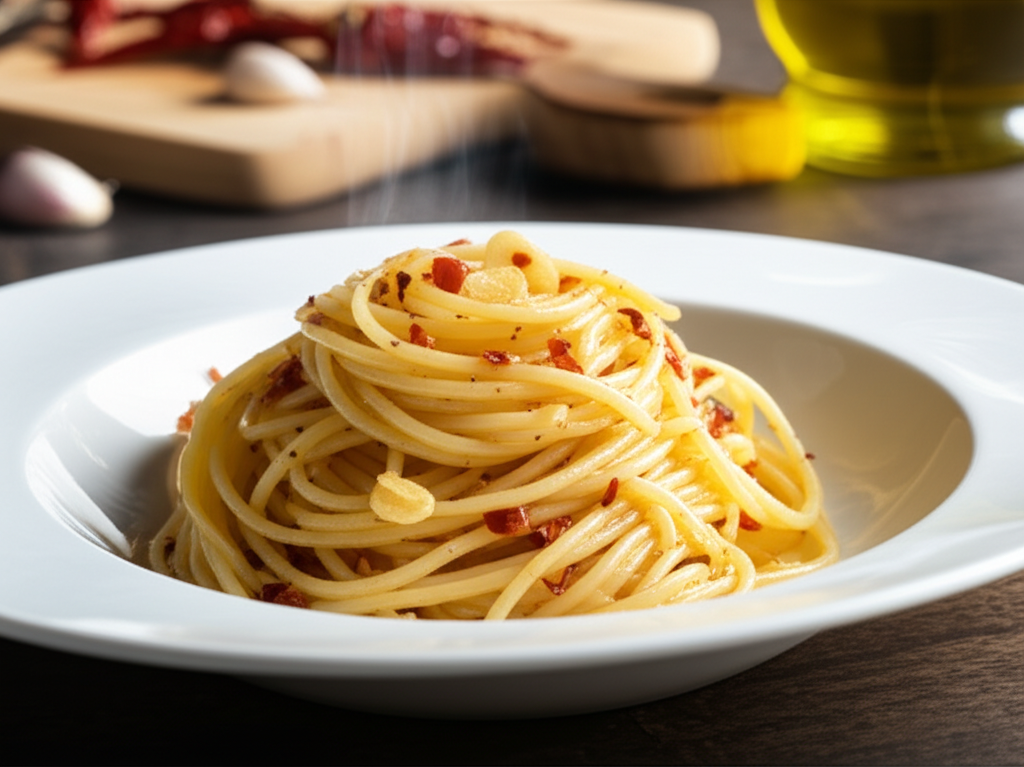
Aglio olio peperoncino is the ultimate simple pasta dish, a testament to Italian culinary genius. Learn to master this classic, elevating your weeknight meals with minimal ingredients and maximum flavor. We’ll guide you through its history, essential components, and perfect execution for an irresistible result.
Ever stared into your pantry, a hunger pang striking, and felt overwhelmed by the possibilities? Or perhaps you’ve ordered pasta online, only to receive a dish that’s a pale imitation of what it could be. The beauty of Italian cuisine often lies in its simplicity, and few dishes embody this as perfectly as Aglio Olio Peperoncino. This humble yet magnificent pasta dish is a cornerstone of Italian home cooking, proving that incredible flavor doesn’t require a long list of exotic ingredients. If you’ve ever wondered how to achieve that perfect balance of garlic, chili, and olive oil, or if you’re looking for a quick, satisfying meal that feels both comforting and sophisticated, you’re in the right place. I’m here to guide you through the art of Aglio Olio Peperoncino, ensuring your next homemade bowl is absolutely irresistible. Get ready to unlock the secrets of this classic, and discover how easy it is to create pasta perfection.
What is Aglio Olio Peperoncino?
Aglio Olio Peperoncino, translating literally to “garlic, oil, and chili pepper,” is a classic Italian pasta dish. It’s celebrated for its simplicity, relying on just a few high-quality ingredients to create a deeply satisfying flavor profile. This dish is a testament to the philosophy that even the most basic ingredients can produce extraordinary results when treated with respect and skill. It’s a staple in Italian households and a beloved choice for those seeking quick, delicious, and authentic meals. Mastering this dish is a fundamental step in understanding Italian pasta traditions.
The essence of Aglio Olio Peperoncino lies in its pure, unadulterated flavors. It’s a dish that showcases the quality of its core components, making ingredient selection paramount. This simplicity is its greatest strength, allowing the distinct tastes of garlic, chili, and olive oil to shine through. It’s a dish that doesn’t hide behind complex sauces, offering a direct and impactful culinary experience.
The Humble Origins of a Timeless Classic
The roots of Aglio Olio Peperoncino are deeply embedded in the agricultural traditions of Southern Italy, particularly Campania. This dish emerged from the necessity and resourcefulness of peasants and shepherds who needed a quick, nourishing meal using readily available pantry staples. Its simplicity reflects a time when ingredients were scarce, and every morsel counted. The use of garlic, olive oil, and dried chili flakes—all easily preserved—made it an ideal, inexpensive, and filling meal. Over time, this peasant dish evolved into a beloved Italian classic, celebrated for its elegant simplicity and robust flavor.
This pasta dish represents the heart of Italian cucina povera, or “poor kitchen.” It demonstrates how culinary brilliance can arise from humble beginnings, transforming basic ingredients into something truly special. Its enduring popularity speaks volumes about its universal appeal and its ability to satisfy even the most discerning palates with its straightforward yet profound taste. It’s a dish that connects us to Italy’s agricultural past and its rich culinary heritage.
The Essential Trio: Garlic, Olive Oil, and Chili
The magic of Aglio Olio Peperoncino hinges on three core ingredients: garlic, olive oil, and peperoncino (chili flakes). Each plays a crucial role in building the dish’s characteristic flavor. High-quality extra virgin olive oil forms the base, carrying the aromatic compounds of the garlic and the heat of the chili. Fresh garlic, thinly sliced or minced, provides a pungent, savory depth, while peperoncino adds a welcome warmth and a touch of spice. The careful balance and preparation of these elements are key to achieving an authentic and irresistible taste.
When selecting these ingredients, opt for the best you can find. A robust, flavorful extra virgin olive oil will significantly elevate the dish. Use fresh garlic for its potent aroma and taste, and good quality dried red chili flakes for controlled heat. The quality of your peperoncino can range from mild to fiery, so choose according to your preference. These three components are the soul of the dish, and their synergy is what makes Aglio Olio Peperoncino so special.
Choosing Your Olive Oil: The Liquid Gold

For Aglio Olio Peperoncino, the olive oil is not merely a cooking medium; it’s a primary flavor component. A good quality extra virgin olive oil (EVOO) is essential. Look for oils with a fruity aroma and a slightly peppery finish. The origin and varietal of the olives can impart distinct notes, from grassy and herbaceous to buttery and mild. An EVOO will carry the flavors of the garlic and chili beautifully, infusing the pasta with its richness. Avoid refined or light olive oils, as they lack the complexity and character needed for this dish.
The flavor profile of your olive oil will directly influence the final taste of your pasta. A bolder EVOO will create a more pronounced, robust sauce, while a milder one will yield a subtler, more delicate flavor. Experimenting with different regional EVOs can unlock new dimensions of taste for this simple yet profound dish. A truly exceptional olive oil can transform Aglio Olio Peperoncino from a quick meal into a gourmet experience.
Garlic: The Aromatic Heartbeat
Garlic is the aromatic soul of Aglio Olio Peperoncino. How you prepare and cook it is critical to unlocking its best flavor without making it bitter or burnt. Traditionally, garlic is thinly sliced, allowing it to gently infuse the olive oil. This method releases its aroma and flavor gradually, creating a mellow, sweet garlic essence. Minced garlic can also be used, but it cooks faster and carries a higher risk of burning, which imparts an unpleasant, acrid taste. The goal is to gently toast the garlic until it’s fragrant and lightly golden, not browned or charred.
The quantity of garlic is also a matter of personal preference, but a generous amount is usually recommended to truly appreciate its contribution. For a typical serving of pasta for two, 2-4 cloves are a good starting point. Remember that the garlic continues to cook in the residual heat, so remove it from the heat just as it reaches a pale golden hue. This careful handling ensures the garlic’s sweetness and aroma enhance, rather than dominate, the dish.
Peperoncino: The Spark of Heat
Peperoncino, or dried red chili flakes, provides the signature warmth and subtle heat that defines Aglio Olio Peperoncino. The type and amount of chili flakes used will dictate the dish’s spiciness. Some prefer a gentle background warmth, while others enjoy a more fiery kick. Good quality dried chili flakes offer a clean heat without overwhelming bitterness. You can also use a small dried whole chili pepper, bruised or sliced, for a more nuanced flavor and heat release. The chili should complement, not overpower, the delicate flavors of garlic and olive oil.
The heat from the peperoncino is best released by toasting it gently in the olive oil along with the garlic. This process mellows the sharpness of the chili and distributes its warmth evenly throughout the sauce. Adjust the amount of chili flakes to your personal heat preference. If you’re sensitive to spice, start with a small pinch and add more if desired. The goal is a pleasant tingle that awakens the palate, making the other flavors more vibrant.
Pasta Perfection: The Foundation
While the sauce is deceptively simple, the pasta itself is the foundation of a truly great Aglio Olio Peperoncino. Long pasta shapes like spaghetti, linguine, or bucatini are traditional and work wonderfully, as they carry the light sauce well. The key to perfect pasta lies in cooking it al dente – tender but still firm to the bite. This texture is crucial because the pasta will finish cooking in the sauce, absorbing its flavors and achieving the ideal consistency. Always cook your pasta in generously salted boiling water, mimicking the taste of the sea.
Don’t forget to reserve a cup or two of the starchy pasta water before draining. This cloudy liquid gold is the secret ingredient that emulsifies the sauce, creating a silky, cohesive coating for the pasta. It helps bind the olive oil and water, transforming a simple drizzle of oil into a luscious sauce that clings beautifully to every strand. This step is non-negotiable for achieving that signature creamy texture without adding any dairy.
The Art of Emulsification: Creating the Sauce
Emulsification is the magical process that transforms the oil, garlic, chili, and pasta water into a cohesive sauce that coats the pasta perfectly. When you combine the olive oil and garlic mixture with the hot, starchy pasta water, the starches from the pasta water help to bind the oil and water together. This creates a light, creamy, and flavorful sauce that clings to each strand of spaghetti. Vigorous tossing or stirring is essential to achieve this emulsion, ensuring the sauce is smooth and well-integrated, not oily or watery.
The process typically involves draining the pasta (reserving water!), briefly sautéing the garlic and chili in olive oil, adding the cooked pasta to the pan, and then gradually adding the reserved pasta water while tossing vigorously. This technique ensures that every bite of pasta is infused with the delicious garlic-chili-olive oil goodness. A well-emulsified sauce is the hallmark of a perfectly executed Aglio Olio Peperoncino, elevating it from simple to sublime.
Step-by-Step Mastery: Crafting Your Aglio Olio Peperoncino
Creating a perfect Aglio Olio Peperoncino is an achievable goal with these straightforward steps. Follow this guide to ensure you capture the authentic flavors and textures of this classic Italian dish. Precision in timing and technique will yield delicious results, even for novice cooks. Let’s dive into the process that turns simple ingredients into a culinary triumph.
-
Prepare Your Ingredients
Thinly slice 3-4 cloves of fresh garlic. Have about 1/2 teaspoon of dried red chili flakes (or more, to taste) ready. Measure out your favorite long pasta, typically 200-250g for two servings. Ensure you have a good quality extra virgin olive oil (about 4-6 tablespoons).
-
Cook the Pasta
Bring a large pot of generously salted water to a rolling boil. Add your pasta and cook according to package directions until al dente. Before draining, reserve about 1.5 to 2 cups of the starchy pasta water.
-
Infuse the Oil
While the pasta cooks, heat the olive oil in a large skillet over medium-low heat. Add the sliced garlic and chili flakes. Gently sauté, swirling the pan occasionally, until the garlic is fragrant and just beginning to turn a pale golden color. Be very careful not to burn the garlic, as this will make the dish bitter.
-
Combine and Emulsify
Drain the pasta and add it directly to the skillet with the garlic and oil. Increase the heat to medium-high. Add about 1/2 cup of the reserved pasta water. Toss the pasta vigorously, using tongs, to emulsify the sauce. Continue adding pasta water, a little at a time, while tossing, until a light, glossy sauce forms that coats the pasta beautifully.
-
Finish and Serve
Once emulsified, remove the skillet from the heat. You can add a handful of fresh chopped parsley at this stage for a burst of freshness. Taste and adjust seasoning if needed (though the salted pasta water often suffices). Serve immediately in warm bowls.
Following these steps carefully will ensure your Aglio Olio Peperoncino is perfectly balanced and incredibly satisfying. The key is gentle cooking of the aromatics and vigorous tossing to create that essential emulsified sauce.
Elevating Your Aglio Olio: Optional Additions
While the classic Aglio Olio Peperoncino is perfect in its simplicity, there are several ways to elevate it further, adding complexity and personal flair. These additions can transform the dish into something even more special, catering to different tastes and occasions. Experimenting with these options can bring new dimensions to this beloved pasta. Consider them for a more adventurous culinary experience.
Fresh Parsley: The Herbaceous Kiss
Freshly chopped flat-leaf parsley is the most common and arguably the best addition to Aglio Olio Peperoncino. Added at the very end, just before serving, it provides a bright, herbaceous counterpoint to the rich garlic and chili. The vibrant green flecks also add visual appeal to the dish. Use a generous amount for maximum freshness and flavor.
The addition of parsley offers a refreshing contrast that cuts through the richness of the olive oil. It’s a simple yet impactful way to add another layer of flavor and aroma, making the dish feel more complete and vibrant. Don’t underestimate the power of this humble herb.
Anchovy Paste or Fillets: The Umami Bomb
For an incredible depth of savory flavor, consider adding a small amount of anchovy paste or finely minced anchovy fillets. Sauté them with the garlic and chili. The anchovies dissolve into the oil, imparting a rich umami base that is surprisingly subtle and doesn’t make the dish taste fishy. It adds a complex savoriness that is truly addictive.
This is a secret weapon for adding a layer of sophisticated flavor that many might not be able to pinpoint but will undoubtedly appreciate. It transforms the dish into something incredibly moreish and deeply satisfying. It’s a small addition that makes a massive flavor difference.
Lemon Zest: A Zesty Brightness
A sprinkle of fresh lemon zest added at the end can provide a wonderful brightness and lift to the dish. The citrus notes cut through the richness of the olive oil and complement the garlic and chili beautifully. Use only the yellow part of the zest, avoiding the bitter white pith. This is especially effective if you’re looking for a lighter, more refreshing version of Aglio Olio.
The zest’s aromatic oils release a burst of freshness that awakens the palate. It’s a simple way to add a vibrant, sophisticated edge to the pasta, making it feel more complex and balanced. This bright addition is particularly welcome on warmer days.
Toasted Breadcrumbs: The Crunchy Contrast
For a textural contrast, consider topping your Aglio Olio Peperoncino with toasted breadcrumbs. Sauté plain breadcrumbs in a separate pan with a little olive oil until golden brown and crispy. Sprinkle them over the finished pasta for a delightful crunch that complements the tender pasta and silky sauce. This adds an element of surprise and satisfaction with every bite.
The crispy breadcrumbs provide a satisfying textural counterpoint to the smooth sauce and al dente pasta. They absorb some of the delicious oil, offering bursts of flavor and crunch. This is a simple yet effective way to add another dimension to the dish.
Common Pitfalls and How to Avoid Them
Even with its simplicity, Aglio Olio Peperoncino can present a few challenges for home cooks. Understanding common mistakes can help you achieve consistently delicious results. Avoiding these pitfalls ensures your dish is flavorful, well-textured, and satisfying every time. Pay attention to these details for perfect pasta.
1. Burnt Garlic: The Bitter Culprit
The most common mistake is burning the garlic. Garlic burns very quickly, especially when minced. Once burnt, it imparts a bitter, acrid taste that ruins the entire dish. To avoid this, use thinly sliced garlic and cook it over low to medium-low heat, watching it constantly. Remove it from the heat just as it starts to turn golden.
Always err on the side of undercooking your garlic slightly, as it will continue to cook in the residual heat of the pan. If you see it browning too quickly, immediately remove the pan from the heat or even transfer the garlic and oil to a cool bowl.
2. Oily Pasta: The Unemulsified Mess
If your pasta ends up swimming in oil, the sauce hasn’t emulsified properly. This happens when there isn’t enough starchy pasta water, or when the ingredients aren’t tossed vigorously enough. Remember that starchy pasta water is key to binding the oil and water together into a cohesive sauce. Don’t be shy about using enough of it.
Ensure you’re tossing the pasta vigorously in the pan with the pasta water. This agitation is what creates the emulsion. If it still seems too oily, add a splash more pasta water and continue tossing until it reaches a glossy, saucy consistency.
3. Bland Flavor: The Underseasoned Sigh
Aglio Olio Peperoncino relies on simple ingredients, so their quality and seasoning are paramount. Using bland olive oil, under-seasoned pasta water, or insufficient garlic and chili will result in a dish that lacks flavor. Salt is crucial not just for the pasta water but also for the final dish. Remember that the pasta water should taste like the sea.
Taste your dish before serving and adjust seasoning if necessary. A final pinch of salt, a grind of black pepper, or even a squeeze of lemon can make a world of difference. Ensure your main ingredients—olive oil, garlic, and chili—are of good quality and used in appropriate amounts.
Aglio Olio Peperoncino in the Age of Food Delivery
In today’s fast-paced world, the allure of a perfectly executed Aglio Olio Peperoncino can be met with the convenience of food delivery apps. Many Italian restaurants and meal kit services offer this classic dish, promising authentic flavors delivered right to your door. However, the quality can vary significantly, impacting your dining experience. Understanding what to look for in a delivered Aglio Olio Peperoncino can help you make informed choices and enjoy this simple pleasure without the kitchen hassle.
When ordering Aglio Olio Peperoncino via delivery, consider the restaurant’s reputation and reviews. Look for services that emphasize fresh ingredients and authentic preparation. Meal kits can also be a fantastic option, providing pre-portioned ingredients and easy-to-follow instructions for a restaurant-quality dish at home. This allows you to enjoy the convenience without compromising on the quality and authenticity of the classic.
Choosing the Best Delivery Options
When selecting an app or service for your Aglio Olio Peperoncino craving, consider several factors. Look for platforms that partner with reputable Italian restaurants known for their authentic cuisine. Read reviews specifically mentioning pasta dishes, paying attention to comments on flavor, texture, and ingredient quality. Some services offer meal kits, which can be an excellent choice for ensuring freshness and proper preparation.
Consider the delivery fees, estimated arrival times, and any available offers or discounts. For instance, services like DoorDash, Uber Eats, and Grubhub list numerous Italian restaurants, while dedicated meal kit providers like HelloFresh or Blue Apron may offer pasta recipes that include Aglio Olio variations. Comparing options based on your priorities—speed, cost, or ingredient quality—will help you find the best fit.
Meal Kits vs. Restaurant Delivery
Both meal kits and restaurant delivery offer convenience for enjoying Aglio Olio Peperoncino, but they provide different experiences. Restaurant delivery offers immediate gratification with a ready-to-eat meal, often prepared by experienced chefs. However, the quality can be inconsistent, and the dish might not arrive at its optimal temperature or texture due to travel time.
Meal kits, on the other hand, require some assembly but guarantee fresh ingredients and the ability to cook the pasta perfectly al dente, with the sauce emulsified just before serving. This often results in a superior dish. For example, a meal kit from a service like Home Chef might provide high-quality olive oil, fresh garlic, chili flakes, and perfectly portioned pasta, allowing you to achieve that ideal emulsified sauce at home. This hands-on approach ensures you get the best possible Aglio Olio Peperoncino experience, even when time is limited.
Frequently Asked Questions
What is the best pasta shape for Aglio Olio Peperoncino?
Long pasta shapes like spaghetti, linguine, or bucatini are traditional and best suited for Aglio Olio Peperoncino. Their shape allows the light sauce to cling evenly to every strand, ensuring a balanced bite.
Can I use pre-minced garlic?
While you can use pre-minced garlic in a pinch, fresh garlic, thinly sliced, is highly recommended for Aglio Olio Peperoncino. Sliced garlic infuses the oil more gently and avoids the bitterness that can come from finely minced or pre-minced garlic.
How do I make Aglio Olio Peperoncino less oily?
The key to a non-oily Aglio Olio Peperoncino is proper emulsification. Use plenty of starchy pasta water and toss the pasta vigorously in the skillet to bind the oil and water into a cohesive sauce. Add pasta water gradually until a glossy consistency is achieved.
What kind of olive oil should I use?
A good quality extra virgin olive oil (EVOO) is essential. It forms the flavor base of the sauce. Look for an EVOO with a fruity aroma and a slightly peppery finish for the best results.
Can I make Aglio Olio Peperoncino vegetarian or vegan?
Yes, Aglio Olio Peperoncino is naturally vegetarian and vegan, as it traditionally contains no meat or dairy products. Ensure your pasta is also vegan if required.
How much chili should I use?
The amount of chili is entirely to your preference. Start with a small pinch of red chili flakes and add more if you desire a spicier dish. You can also use a small dried whole chili pepper, bruised or sliced, for a more controlled heat.
Conclusion: Embracing Simplicity for Pasta Bliss
Mastering Aglio Olio Peperoncino is more than just learning a recipe; it’s about embracing the Italian philosophy of simplicity and celebrating the power of high-quality ingredients. This dish, born from humble origins, stands as a testament to how a few core components, treated with care and respect, can create something truly extraordinary and irresistibly delicious. Whether you’re crafting it at home from scratch, ordering from your favorite local trattoria via a food delivery app, or assembling a meal kit, the essence of Aglio Olio Peperoncino remains the same: pure, unadulterated flavor that nourishes the soul. By understanding the nuances of garlic preparation, olive oil selection, chili heat, and the crucial art of emulsification, you can consistently achieve pasta perfection. So, go forth, experiment with your ingredients, and savor the simple, profound pleasure of a perfectly executed Aglio Olio Peperoncino. It’s a fundamental skill that will undoubtedly elevate your home cooking and your appreciation for Italian cuisine.

Belayet Hossain is a Senior Tech Expert and Certified AI Marketing Strategist. Holding an MSc in CSE (Russia) and over a decade of experience since 2011, he combines traditional systems engineering with modern AI insights. Specializing in Vibe Coding and Intelligent Marketing, Belayet provides forward-thinking analysis on software, digital trends, and SEO, helping readers navigate the rapidly evolving digital landscape. Connect with Belayet Hossain on Facebook, Twitter, Linkedin or read my complete biography.