
Published on: 01/10/2025 | Updated on: October 1, 2025
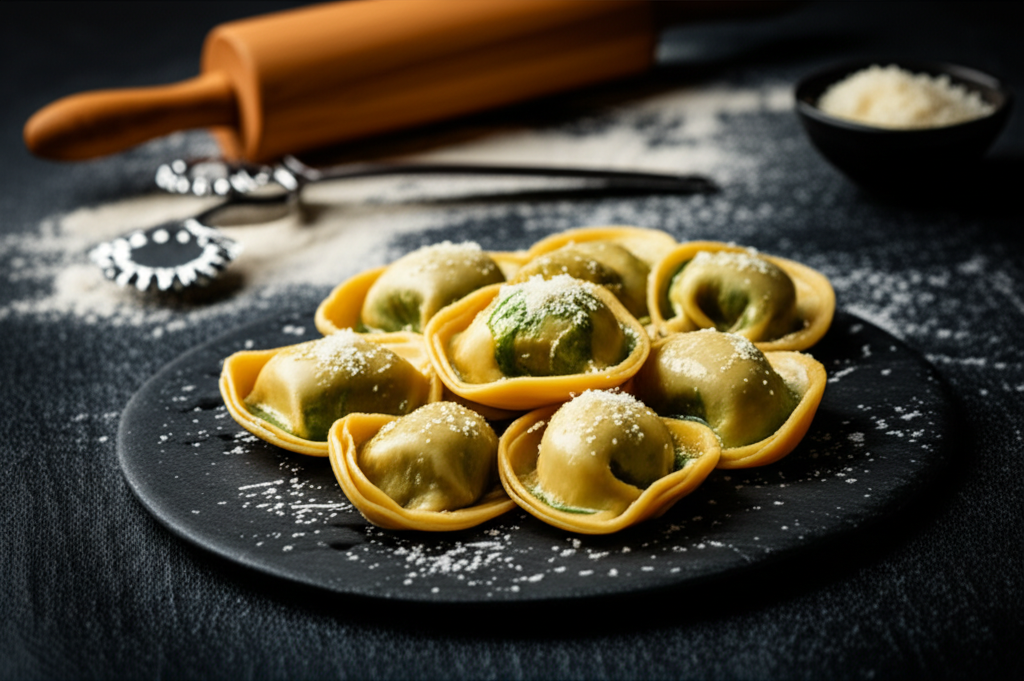
Discover the secrets to crafting delicious agnolotti with this ultimate recipe, designed for easy learning and guaranteed success in your kitchen. Master this classic Italian pasta dish with simple steps and expert tips.
Making fresh pasta from scratch can seem daunting, especially intricate shapes like agnolotti. Many home cooks worry about dough consistency, perfect filling, and sealing the delicate parcels. This fear often leads to store-bought pasta or skipping this delightful dish altogether. But what if I told you that making incredible agnolotti is more accessible than you think? I’ve spent years exploring the world of Italian cuisine, and I’m here to share a straightforward, step-by-step method that demystifies agnolotti. Get ready to impress yourself and your loved ones with a truly authentic taste of Italy.
Why Agnolotti Deserves a Spot in Your Recipe Repertoire
Agnolotti are a beloved type of filled pasta, often originating from the Piedmont region of Italy. They are typically made from a simple egg pasta dough filled with roasted meats or vegetables. The charm of agnolotti lies in their comforting, flavorful bite and the satisfaction of creating them by hand. Mastering this dish opens the door to a deeper appreciation of Italian culinary traditions.
This guide will walk you through every stage, from preparing the dough to crafting the perfect filling and shaping those beautiful little pasta parcels. You’ll learn the nuances of a good dough and how to achieve a delicious, well-balanced filling. By the end, you’ll feel confident in your ability to create agnolotti that rivals those found in the finest Italian trattorias.
Understanding the Heart of Agnolotti: The Dough
The foundation of any great pasta dish is the dough, and for agnolotti, a simple yet effective recipe is key. A well-made dough is pliable, easy to work with, and cooks to a perfect al dente texture. We’ll focus on a classic egg pasta dough that provides richness and a beautiful golden hue.
Essential Ingredients for Agnolotti Dough

For this recipe, you’ll need just a few high-quality ingredients to create a fantastic dough. The simplicity is part of its beauty, allowing the fresh flavors of your filling to shine through.
Flour: Use “00” flour, a finely milled Italian flour perfect for pasta, or all-purpose flour as a readily available alternative.
Eggs: Fresh, large eggs are crucial for binding, richness, and color.
Salt: A pinch enhances the flavor of the dough.
Olive Oil (Optional): A small amount can add a touch of elasticity.
The Perfect Dough-to-Egg Ratio
Achieving the right consistency is vital. A common starting point is one large egg for every 100 grams of flour. This ratio can be adjusted slightly based on the humidity and the size of your eggs.
The goal is a dough that is firm but not dry, and smooth to the touch. It should feel like a firm earlobe when you knead it properly. Don’t be afraid to add a tiny bit more flour if it’s too sticky, or a whisper of water if it’s too crumbly.
Kneading: The Key to Elasticity
Kneading develops the gluten in the flour, giving your pasta structure and that desirable chewy texture. For agnolotti dough, I recommend a thorough kneading session of at least 8-10 minutes. This process transforms a shaggy mass into a smooth, elastic ball.
Press the dough away from you with the heel of your hand, fold it over, and repeat. This rhythmic motion is almost meditative and is essential for developing gluten. Once kneaded, wrap the dough tightly in plastic wrap and let it rest for at least 30 minutes. This resting period allows the gluten to relax, making the dough much easier to roll out.
Rolling the Dough: Thin is In
For agnolotti, you want a dough that is thin enough to be delicate but strong enough to hold its filling. You can achieve this using a pasta machine or a rolling pin. A pasta machine offers consistent thickness, which is incredibly helpful for beginners.
Start on the widest setting of your pasta machine and pass the dough through, folding and repeating a few times to further develop elasticity. Gradually decrease the setting, passing the dough through each setting once until you reach your desired thickness. For agnolotti, aim for a thickness that is almost translucent, allowing you to just see your hand through it.
Crafting a Flavorful Agnolotti Filling
The filling is where you can truly personalize your agnolotti. While traditional fillings often feature roasted meats, vegetarian options are equally delicious and can be simpler to prepare. I’ll share a versatile meat filling and a flavorful vegetable alternative.
Classic Roasted Meat Filling
This filling offers a rich, savory depth that is characteristic of traditional agnolotti. Roasting the meat first concentrates its flavors beautifully.
Ingredients:
1 lb mixed roasted meats (pork, beef, or veal), finely ground or minced
1/4 cup finely chopped onion, sautéed until soft
1/4 cup finely chopped celery, sautéed until soft
1/4 cup finely chopped carrot, sautéed until soft
1/4 cup grated Parmigiano-Reggiano cheese
1 egg yolk
Salt and freshly ground black pepper to taste
A pinch of nutmeg
Preparation: Combine all ingredients in a bowl and mix thoroughly until well combined. Taste and adjust seasoning as needed. The filling should be moist but not wet, holding its shape when squeezed.
Savory Mushroom and Ricotta Filling (Vegetarian Option)
For a delightful vegetarian alternative, this mushroom and ricotta filling is earthy, creamy, and utterly satisfying. It’s also wonderfully adaptable to seasonal ingredients.
Ingredients:
1 lb mixed mushrooms (cremini, shiitake, oyster), finely chopped
1 tbsp olive oil
1 clove garlic, minced
1/2 cup ricotta cheese (drained if very wet)
1/4 cup grated Parmigiano-Reggiano cheese
2 tbsp chopped fresh parsley
Salt and freshly ground black pepper to taste
A pinch of lemon zest (optional)
Preparation: Sauté the chopped mushrooms in olive oil until tender and any liquid has evaporated. Add the minced garlic and cook for another minute. Let the mixture cool slightly. Combine the cooled mushrooms with ricotta, Parmigiano-Reggiano, parsley, salt, pepper, and lemon zest. Mix well.
A well-balanced filling is crucial for delicious agnolotti. It should be flavorful enough to stand on its own but not overpower the pasta. Ensure your filling is not too wet, as this can make shaping and sealing difficult.
Shaping Agnolotti: The Art of the Fold
Shaping agnolotti is a process that becomes easier with practice. There are a few common methods, but the goal is always to create a secure seal to prevent the filling from escaping during cooking. I’ll guide you through a popular and straightforward method.
Method 1: The Square Fold
This is a very common and approachable method for creating beautiful agnolotti. It results in neat, square-shaped pasta.
1. Lay out the Dough: Place a sheet of rolled pasta dough on a lightly floured surface.
2. Place the Filling: Using a small spoon or piping bag, place small mounds of filling about 1-1.5 inches apart in rows across the dough sheet.
3. Drape the Dough: Drape a second sheet of pasta dough over the filling, or fold the bottom half of the single sheet over the top, depending on your preference and dough thickness.
4. Seal and Cut: Gently press down around each mound of filling, pushing out any air pockets. Use your fingers or a pastry wheel to cut between the mounds, creating individual squares.
5. Final Seal: You can gently press the edges of each square together to ensure a good seal, or crimp them with a fork.
Method 2: The “Agnolotti del Plin” (Pinch) Style
This traditional Piedmontese style creates smaller, often irregular-shaped agnolotti, sealed with a simple pinch.
1. Lay out the Dough: Place a sheet of pasta dough on a lightly floured surface.
2. Place the Filling: Place small dollops of filling in a line, spaced closely together, along the lower third of the dough sheet.
3. Fold and Pinch: Fold the bottom edge of the dough up over the filling. Using your thumb and forefinger, pinch the dough between each dollop of filling to seal and separate them.
4. Cut: Use a fluted pastry wheel to cut along the edge, creating rows of small, pinched pasta.
Whichever method you choose, the key is to work relatively quickly and ensure a good seal. If your dough starts to dry out, lightly mist it with water.
Cooking Your Homemade Agnolotti
Once your agnolotti are shaped, they are ready to be cooked. Fresh pasta cooks very quickly, so it’s important to have your sauce ready before you start boiling the water. This ensures you can serve them immediately for the best texture and flavor.
Boiling for Perfection
Bring a large pot of generously salted water to a rolling boil. Add the agnolotti gently to the boiling water. Do not overcrowd the pot; cook in batches if necessary.
The cooking time for fresh agnolotti is typically very short, usually 2-4 minutes, depending on their thickness and filling. They are ready when they float to the surface and the pasta is tender but still has a slight bite (al dente).
Saucing Your Agnolotti
The best sauce for agnolotti depends on the filling. For rich, meaty fillings, a simple butter and sage sauce or a light tomato sauce works wonderfully. For lighter, vegetable-based fillings, a brown butter sauce or a drizzle of good olive oil with grated cheese is often preferred.
Avoid heavy, creamy sauces that can overwhelm the delicate flavor of the agnolotti. The sauce should complement, not compete with, the pasta and its filling. I often toss my cooked agnolotti directly into the sauce pan with a little of the pasta cooking water to emulsify and coat them beautifully.
Serving Your Masterpiece
Serving agnolotti is all about showcasing your hard work. A simple presentation allows the beauty of the pasta and the richness of its filling to be the star.
Presentation Tips
Garnish Wisely: A sprinkle of freshly grated Parmigiano-Reggiano cheese and a few fresh herb leaves (like parsley or basil) add visual appeal and a burst of fresh flavor.
Keep it Simple: For butter-based sauces, a drizzle of good quality olive oil can add a luxurious sheen.
Warm Plates: Serving your agnolotti on warm plates helps to keep the pasta at the perfect temperature until the last bite.
Enjoying your homemade agnolotti is the ultimate reward for your culinary efforts. The taste and satisfaction of creating this dish from scratch are unparalleled.
Troubleshooting Common Agnolotti Challenges
Even with the best intentions, sometimes things don’t go perfectly. Don’t get discouraged! Here are some common issues and how to fix them.
Dough is Too Sticky
Problem: The dough sticks to your hands and the work surface, making it hard to knead or roll.
Solution: Gradually add small amounts of flour (1 teaspoon at a time) until the dough becomes manageable. Be careful not to add too much, or it will become tough. Ensure your work surface is lightly floured.
Dough is Too Dry and Crumbly
Problem: The dough breaks apart when you try to knead or roll it.
Solution: Add a tiny amount of water (1 teaspoon at a time) or a splash of olive oil. Knead until it comes together. If using a pasta machine, a slightly wetter dough can sometimes be easier to work with.
Filling Leaking Out
Problem: The filling escapes from the agnolotti during cooking.
Solution: Ensure you have sealed the edges thoroughly. Press out any air pockets before cutting. You might need to slightly thicken your filling with a touch more cheese or breadcrumbs if it’s too wet.
Pasta is Tough or Chewy
Problem: The pasta texture is unpleasantly hard or overly chewy.
Solution: This is often due to over-kneading or not resting the dough long enough. It can also happen if the dough is too dry. Ensure you followed the kneading and resting times, and aim for a slightly thinner roll for your pasta sheets.
Pasta is Too Soft or Mushy
Problem: The pasta falls apart or becomes mushy when cooked.
Solution: This usually means the dough was too wet or the pasta was overcooked. Cook fresh pasta for a very short time, just until it floats. If the dough was too wet, add a bit more flour next time.
Learning to make pasta is a journey, and these tips are designed to help you navigate any bumps along the way. Every batch you make will teach you something new.
Pairing Agnolotti with the Perfect Sauce
The sauce is the final flourish that elevates your agnolotti. Choosing the right sauce can transform a good dish into an extraordinary one. Here’s a quick guide to pairing sauces with your agnolotti fillings.
| Filling Type | Recommended Sauces | Why It Works |
| :—————— | :———————————————— | :—————————————————————————– |
| Roasted Meats | Butter & Sage, Light Tomato, Meat Ragù (light) | Complements the savory, rich flavors without overwhelming them. |
| Cheese & Spinach | Brown Butter, Creamy Alfredo (light), Marinara | Balances the richness of cheese and the earthiness of spinach. |
| Mushroom & Ricotta | Brown Butter, Garlic & Olive Oil, Light Cream Sauce | Enhances the earthy mushroom notes and creamy texture. |
| Pumpkin/Squash | Brown Butter, Sage, Amaretti Crumbles | Highlights the sweetness of the squash and adds a nutty, aromatic profile. |
Remember, the goal is harmony. The sauce should enhance the filling and the pasta, creating a balanced and delicious experience.
Agnolotti Variations to Explore
Once you’ve mastered the basic agnolotti, the world of variations is your oyster! Experimenting with different fillings and even doughs can lead to exciting new discoveries.
Dough Variations
Spinach Dough: Add finely chopped, well-drained cooked spinach to your dough for a beautiful green hue and subtle flavor.
Whole Wheat Dough: Substitute a portion of your “00” or all-purpose flour with whole wheat flour for a nuttier taste and heartier texture.
Filling Adventures
Seafood Agnolotti: Try fillings with shrimp, crab, or scallops, often paired with lemon zest and herbs.
* Sweet Agnolotti: For a dessert course, consider fillings like ricotta and chocolate, or sweet pumpkin with cinnamon, served with a light glaze or dusting of powdered sugar.
The possibilities for agnolotti are truly endless. Don’t be afraid to get creative in the kitchen and discover your own signature combinations.
Frequently Asked Questions about Agnolotti
How do I store fresh agnolotti?
You can refrigerate fresh agnolotti for 1-2 days, ensuring they are well-floured to prevent sticking. For longer storage, freeze them on a baking sheet until solid, then transfer to an airtight container or freezer bag. Cook from frozen, adding a few extra minutes to the boiling time.
Can I make agnolotti dough without a pasta machine?
Absolutely! While a pasta machine makes it easier to achieve consistent thinness, a rolling pin works perfectly well. It requires a bit more effort and patience, but the results are just as delicious.
What is the difference between agnolotti and ravioli?
Agnolotti are a specific type of stuffed pasta, often associated with Piedmont, and typically have a more rustic, folded shape. Ravioli is a broader category of stuffed pasta, usually square or round, with a wider variety of fillings and regional interpretations.
How much filling should I use per agnolotti?
The amount of filling depends on the size of your agnolotti. For standard squares, aim for about a teaspoon of filling per piece. For smaller “plin” style agnolotti, use even less, about half a teaspoon.
My agnolotti are sticking together. What did I do wrong?
This usually happens if the dough isn’t sufficiently floured or if the agnolotti are crowded in the pot during cooking. Ensure you toss them with flour after shaping and cook them in plenty of boiling, salted water, in batches if necessary.
Can I make agnolotti ahead of time?
Yes, you can make agnolotti ahead of time. Refrigerate them for up to two days or freeze them for longer storage. This makes them a great option for meal prep or entertaining guests.
Conclusion: Your Agnolotti Journey Begins Now
Mastering agnolotti might seem like a culinary Everest, but with this guide, you have a clear path to the summit. We’ve covered everything from creating the perfect pliable dough to crafting irresistible fillings and the art of shaping these delightful pasta parcels. Remember, practice makes perfect, and every batch of agnolotti you create will bring you closer to that ideal texture and flavor. Don’t be afraid to experiment with different fillings and sauces to discover your personal favorites. The reward of serving delicious, homemade agnolotti to your friends and family is truly immense. So, roll up your sleeves, embrace the process, and enjoy the incredible journey of making authentic agnolotti.

Belayet Hossain is a Senior Tech Expert and Certified AI Marketing Strategist. Holding an MSc in CSE (Russia) and over a decade of experience since 2011, he combines traditional systems engineering with modern AI insights. Specializing in Vibe Coding and Intelligent Marketing, Belayet provides forward-thinking analysis on software, digital trends, and SEO, helping readers navigate the rapidly evolving digital landscape. Connect with Belayet Hossain on Facebook, Twitter, Linkedin or read my complete biography.