
Published on: 02/10/2025 | Updated on: October 2, 2025
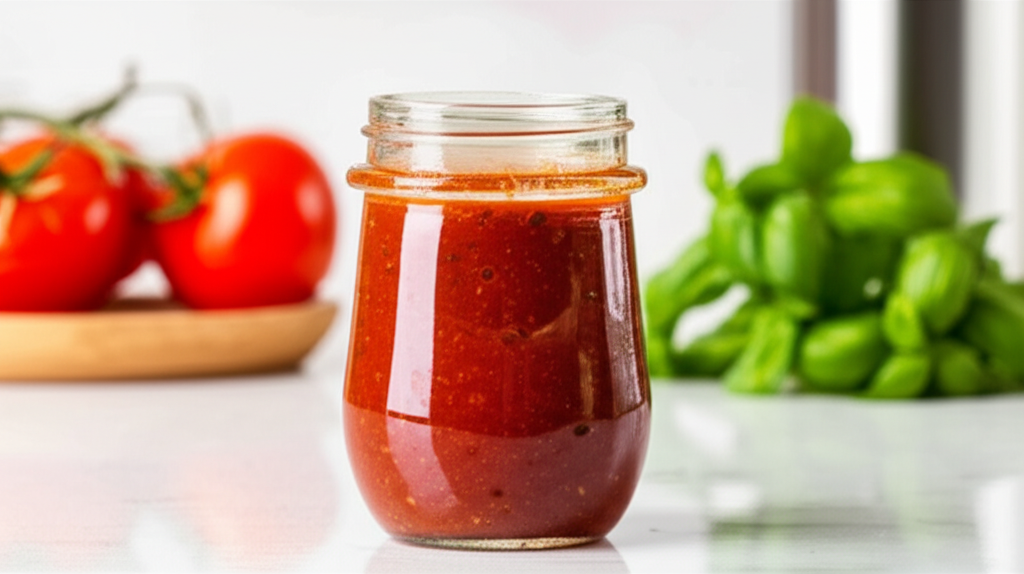
Discover the ultimate AIP ketchup recipe, a game-changer for autoimmune protocol followers seeking classic condiment flavor without the usual inflammatory ingredients. This guide unlocks a simple, delicious, and compliant solution.
Craving that familiar tangy sweetness of ketchup but struggling to find a compliant option on your autoimmune protocol (AIP) journey? You’re not alone. Many of us miss simple joys like dipping fries or burgers into our favorite sauce. Traditional ketchup is loaded with ingredients that can derail your progress, like tomatoes, sugar, and vinegar. But what if I told you there’s a way to recreate that beloved flavor, perfectly tailored for your AIP needs? Get ready to unlock a breakthrough recipe that’s surprisingly easy and incredibly satisfying.
Why Traditional Ketchup is Off-Limits for AIP
The autoimmune protocol (AIP) is a carefully designed elimination diet aimed at identifying and healing food sensitivities that contribute to autoimmune conditions. While it’s incredibly effective, it means saying goodbye to many common pantry staples, and ketchup is a prime example. The primary culprit is tomatoes, a nightshade vegetable that can trigger inflammation in sensitive individuals. Beyond tomatoes, most commercial ketchups contain added sugars (often refined or corn-based), which are also prohibited on AIP due to their inflammatory properties. Even vinegar, commonly derived from grains or alcohol, can be problematic for some.
Understanding these restrictions is the first step to finding compliant alternatives. It’s about making informed choices that support your healing journey rather than hindering it. This knowledge empowers you to navigate your kitchen with confidence and discover delicious substitutes that don’t compromise your health goals.
The Core Components of a Compliant AIP Ketchup
So, if tomatoes are out, what forms the base of a delicious AIP ketchup? The magic lies in using compliant vegetables that mimic the texture and subtle sweetness of tomatoes. Think carrots, beets, and sweet potatoes. These root vegetables provide a beautiful color and a natural sweetness that, when combined with the right spices, create a flavor profile remarkably close to traditional ketchup. We’ll also be using ingredients that provide that essential tang and depth, all while staying strictly within AIP guidelines.
This thoughtful substitution is key to replicating the sensory experience of ketchup without triggering adverse reactions. It’s a culinary innovation born out of necessity, transforming limitations into opportunities for creative cooking.
Unveiling the Breakthrough AIP Ketchup Recipe
Here it is – the recipe you’ve been waiting for! This AIP ketchup recipe uses a clever combination of compliant vegetables and spices to deliver that classic taste you love, without any of the inflammatory ingredients. It’s simple, requires minimal prep, and the results are truly impressive. Prepare to be amazed at how closely it resembles the real deal.
Ingredients You’ll Need

Gathering these ingredients is the first step to enjoying homemade, compliant ketchup. I’ve found that sourcing fresh, high-quality vegetables makes a significant difference in the final flavor. Don’t be afraid to experiment with organic options if they’re available to you.
For the Base:
1 cup cooked and mashed carrots (about 2-3 medium carrots)
1/2 cup cooked and mashed cooked beets (about 1 small beet)
1/4 cup cooked and mashed sweet potato (about 1/2 small sweet potato)
For Flavor & Tang:
1/4 cup apple cider vinegar (ensure it’s unfiltered and AIP-compliant)
2 tablespoons date paste or coconut sugar (for sweetness, optional and use sparingly)
1 tablespoon onion powder
1 teaspoon garlic powder
1/2 teaspoon ground ginger
1/4 teaspoon ground cloves
1/4 teaspoon black pepper (or omit if sensitive to peppercorns)
Pinch of sea salt, to taste
Optional Additions:
1 tablespoon tapioca starch or arrowroot powder (for thickening, if needed)
A splash of water, if the mixture is too thick
Step-by-Step Instructions
Follow these simple steps to create your delicious AIP ketchup. The process is straightforward, and the reward is a condiment that enhances countless meals. I recommend preparing a larger batch to keep on hand, as it stores well.
1. Prepare Your Vegetables: Ensure your carrots, beets, and sweet potato are thoroughly cooked and mashed until smooth. You can steam, boil, or roast them. Roasting often brings out a deeper sweetness.
2. Combine Base Ingredients: In a medium saucepan, combine the mashed carrots, beets, and sweet potato. Stir well to create a uniform base.
3. Add Flavorings: Stir in the apple cider vinegar, date paste (or coconut sugar, if using), onion powder, garlic powder, ginger, cloves, and salt. If you’re sensitive to pepper, leave it out entirely.
4. Simmer Gently: Place the saucepan over medium-low heat. Stir continuously as the mixture begins to warm. Allow it to simmer gently for about 10-15 minutes, allowing the flavors to meld together.
5. Blend for Smoothness: For the smoothest texture, carefully transfer the mixture to a blender or use an immersion blender. Blend until completely smooth and creamy. Be cautious when blending hot liquids.
6. Thicken (If Necessary): If your ketchup is thinner than you’d like, return it to the saucepan. If using tapioca starch or arrowroot powder, whisk it with a tablespoon of water to form a slurry, then stir it into the ketchup. Cook for another 2-3 minutes, stirring constantly, until thickened.
7. Cool and Store: Remove from heat and let the AIP ketchup cool completely. Transfer it to an airtight glass jar or container.
This recipe is designed to be flexible. Feel free to adjust the sweetness and tang to your personal preference. The goal is a balanced flavor that complements your AIP-compliant meals.
Mastering the Flavor Profile: Tips for Perfect AIP Ketchup
Achieving the perfect balance of sweet, tangy, and savory is the secret to a truly great AIP ketchup. While the base recipe is solid, a few tweaks can elevate it further. Consider the type of vinegar; apple cider vinegar is generally well-tolerated and offers a good tang. If you find it too strong, you can slightly reduce it or blend it with a touch of compliant fruit juice. Sweetness can be adjusted with date paste or coconut sugar, but remember to use these sparingly.
The spices are where you can really play. A hint of clove can add warmth, while ginger provides a subtle kick. Experimentation is key to finding your personal favorite flavor combination. Don’t be afraid to taste and adjust as you go.
Storage and Shelf Life of Your Homemade Ketchup
Proper storage is crucial for enjoying your homemade AIP ketchup for as long as possible. Because this recipe doesn’t contain the preservatives found in commercial products, it’s important to handle it with care. Once cooled, transfer your AIP ketchup to clean, airtight glass jars.
I recommend storing it in the refrigerator. With proper storage, most batches will last for about 2-3 weeks. Always check for any signs of spoilage, such as off smells or mold, before using. For longer storage, you can also freeze portions of your AIP ketchup.
Delicious Ways to Use Your AIP Ketchup
The versatility of this AIP ketchup is one of its greatest strengths. It’s not just for fries! Think of it as a flavorful addition to a wide range of AIP-compliant dishes. I love using it as a base for AIP barbecue sauce, a dip for compliant chicken nuggets, or even stirred into tuna salad for an extra zing.
Here are a few ideas to get you started:
Dipped with sweet potato fries or plantain chips.
Spread on AIP burgers or lettuce wraps.
Mixed with compliant mayonnaise for an AIP “special sauce.”
As a glaze for roasted meats.
Stirred into stews or chili for added depth.
Experimentation is encouraged! This ketchup can transform simple meals into something special.
Troubleshooting Common AIP Ketchup Issues
Even with a great recipe, sometimes things don’t turn out exactly as planned. Don’t worry; most common issues with homemade AIP ketchup can be easily resolved. The goal is to get it as close to your desired texture and flavor as possible.
Texture Problems
Too Thin: This is often the most common issue. If your ketchup is too watery, you can thicken it by simmering it longer uncovered to allow some liquid to evaporate. Alternatively, as mentioned in the recipe, you can create a slurry with tapioca starch or arrowroot powder and stir it in while simmering.
Too Thick: If it’s too thick, simply stir in a little water, compliant bone broth, or even a splash more apple cider vinegar until you reach your desired consistency.
Flavor Imbalances
Not Sweet Enough: Add a little more date paste or a tiny bit more coconut sugar. Remember to taste as you go.
Too Tangy: If the vinegar flavor is too pronounced, you can add a touch more sweetness or a pinch more salt to balance it out. Sometimes, a bit more simmering time can also mellow the tang.
Lacking Depth: Consider adding a tiny pinch more of ginger or cloves, or even a touch of onion and garlic powder. A dash of compliant smoked paprika (if you’ve reintroduced it) can also add a lovely smoky depth.
Don’t get discouraged if your first attempt isn’t perfect. Each batch is a learning experience, and you’ll quickly master your ideal AIP ketchup.
AIP Ketchup vs. Store-Bought Alternatives: A Comparison
When you’re on the AIP diet, navigating the grocery store can feel like a minefield. While some brands claim to be “tomato-free” or “sugar-free,” they often sneak in ingredients that are still problematic for AIP followers. These might include nightshades other than tomatoes (like paprika or chili powder), problematic vinegars, or even gums and starches that can be inflammatory.
| Feature | Homemade AIP Ketchup | Store-Bought “AIP-Friendly” Ketchup (Hypothetical) |
| :——————- | :————————————————- | :——————————————————– |
| Tomato | None | None (typically) |
| Sweeteners | Date paste, coconut sugar (controlled amounts) | May contain coconut sugar, date paste, or other sweeteners |
| Vinegar | Apple cider vinegar (unfiltered) | May contain apple cider vinegar, or other compliant options |
| Nightshades | None | Usually free, but always check for paprika/chili powder |
| Other Additives | None | May contain gums, starches, or other non-compliant items |
| Ingredient Control | Complete control | Limited control |
| Freshness | Made fresh, best flavor | Varies, can lose flavor over time |
| Cost | Generally more cost-effective for large batches | Can be expensive due to specialized ingredients |
| Time Investment | Requires active preparation | Minimal time investment |
The biggest advantage of making your own AIP ketchup is complete control over the ingredients. You know exactly what’s going into it, ensuring it aligns perfectly with your dietary needs. This transparency is invaluable when managing a sensitive autoimmune condition.
The Importance of AIP Compliance in Condiments
Condiments might seem like minor players in your diet, but on the autoimmune protocol, every ingredient matters. Even a small amount of a trigger food can undo the healing progress you’ve made. Ketchup is a prime example of a common condiment that often contains multiple AIP-prohibited ingredients. By making your own AIP-compliant version, you eliminate the risk of accidental exposure to tomatoes, sugars, and other inflammatory agents.
This conscious effort to replace problematic foods with safe alternatives is the cornerstone of the AIP. It’s about building a foundation of healing foods and understanding how to adapt your favorite meals to support your body’s recovery. Embracing homemade condiments is a powerful step in reclaiming your diet and your health.
Frequently Asked Questions About AIP Ketchup
Can I use other vegetables besides carrots, beets, and sweet potato?
While these are the most common and effective bases, you could experiment with other compliant root vegetables like parsnips or butternut squash, though they may alter the flavor and color significantly.
How long does this homemade AIP ketchup last in the fridge?
When stored in an airtight container in the refrigerator, this AIP ketchup typically lasts for about 2 to 3 weeks. Always check for signs of spoilage before consuming.
Is apple cider vinegar always AIP-compliant?
Yes, unfiltered apple cider vinegar is generally considered AIP-compliant. Ensure it doesn’t have any added sugars or problematic ingredients.
Can I make this recipe without beets?
You can omit the beets if you dislike them or have issues with them. However, beets contribute significantly to the classic ketchup color, so your version might be lighter in hue. You may want to increase the carrot or sweet potato slightly to compensate.
What if I don’t have date paste?
You can use coconut sugar as a sweetener. Start with a small amount and adjust to your taste. Some people also use a very small amount of pure maple syrup if they’ve reintroduced it.
My ketchup is too acidic. What can I do?
If it’s too tangy, try adding a little more sweetener (like date paste or coconut sugar) or a pinch more salt to balance the acidity. Simmering for a few extra minutes can also sometimes mellow the flavor.
Can I freeze AIP ketchup?
Yes, you can freeze AIP ketchup. Portion it into ice cube trays or small containers for easy thawing of smaller amounts. It should remain good in the freezer for several months.
Conclusion: Reclaiming Flavor on Your AIP Journey
Embarking on the autoimmune protocol can feel restrictive, especially when it comes to beloved condiments like ketchup. But as we’ve explored, the challenges are merely opportunities for innovation. This breakthrough AIP ketchup recipe proves that you don’t have to sacrifice flavor or enjoyment to adhere to your healing diet. By understanding the core components and embracing compliant substitutions, you can recreate that familiar tangy sweetness with ease.
Remember, the goal of AIP is to support your body’s healing process, and that includes making food enjoyable. This homemade ketchup is more than just a condiment; it’s a symbol of reclaiming your favorite flavors and empowering yourself to cook delicious, healing meals. So, gather your ingredients, follow the steps, and get ready to dip, spread, and savor without compromise. Happy cooking!

Belayet Hossain is a Senior Tech Expert and Certified AI Marketing Strategist. Holding an MSc in CSE (Russia) and over a decade of experience since 2011, he combines traditional systems engineering with modern AI insights. Specializing in Vibe Coding and Intelligent Marketing, Belayet provides forward-thinking analysis on software, digital trends, and SEO, helping readers navigate the rapidly evolving digital landscape. Connect with Belayet Hossain on Facebook, Twitter, Linkedin or read my complete biography.