


Published on: 13/10/2025 | Updated on: October 13, 2025
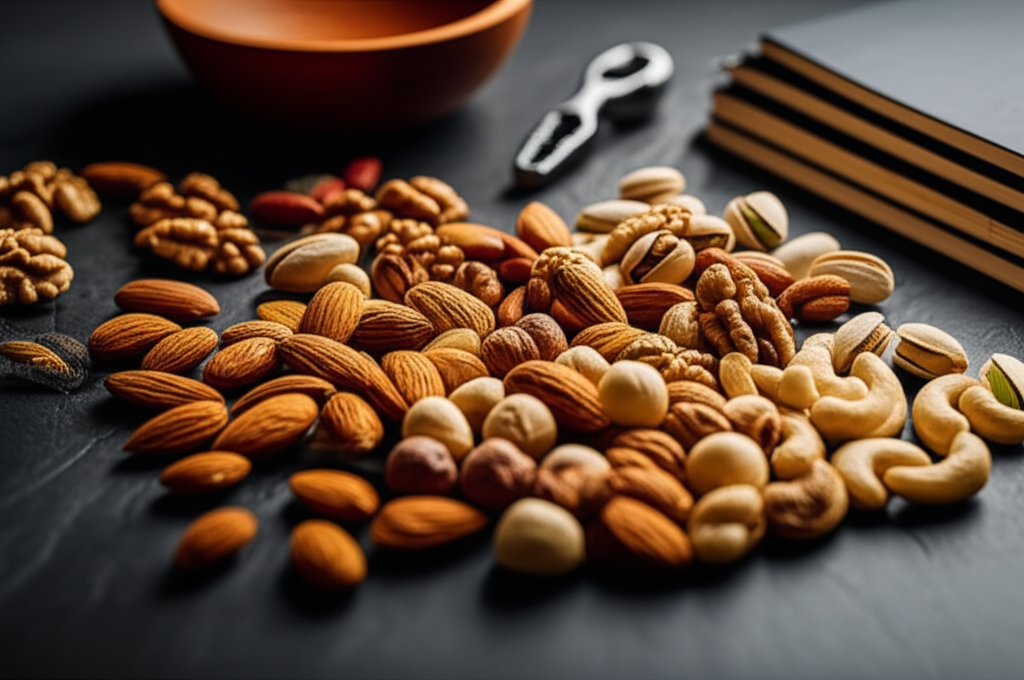
Unlock your brain’s potential with the power of all nuts, a simple and delicious way to boost your cognitive function and overall well-being.
Ever feel like your brain needs a little extra boost? You’re not alone. Many of us juggle busy schedules, demanding jobs, and endless to-do lists. This can leave our minds feeling foggy and tired. But what if a simple, natural solution was right at your fingertips? This guide will explore the amazing world of all nuts and how they can help sharpen your focus, improve memory, and keep your brain healthy. Get ready to discover how these tiny powerhouses can make a big difference!
Why Nuts Are Brain Food Superstars
Nuts are nature’s perfect little packages for brain health. They are packed with nutrients that your brain loves. These include healthy fats, vitamins, and minerals. Eating nuts regularly can help your brain work better. They are a simple addition to your diet.
The Science Behind Nuts and Cognitive Function

The fats in nuts are mostly unsaturated. These are good fats for your body and brain. They help build brain cell membranes. This is like building strong walls for your brain. Vitamins like E and B are also important. They protect your brain cells from damage. Minerals like magnesium help with brain signals.
Healthy Fats: The Building Blocks for Your Brain
Think of your brain cells like tiny computers. They need good wiring to send messages fast. Healthy fats in nuts are like the best wires. They help these messages travel smoothly. This means better thinking and focus. Omega-3 fatty acids are especially good. They are found in walnuts.
Vitamins and Minerals: Your Brain’s Protective Shield
Your brain works hard all day. It can get tired and damaged. Vitamins like E act like a shield. They protect brain cells from harm. Minerals like zinc help your brain communicate better. They keep your brain’s systems running smoothly.
Beyond the Brain: Nuts for Overall Health
Eating nuts isn’t just good for your head. It’s good for your whole body. They can help your heart stay healthy. They can also help manage your weight. This is because they make you feel full. A healthy body supports a healthy brain.
A Comprehensive Look at All Nuts for Brainpower
Let’s explore the specific nuts that offer the most benefits for your brain. Each nut has its own unique set of nutrients. Understanding these differences can help you choose the best ones for your needs. Variety is key to getting a wide range of benefits.
Almonds: The Classic Brain Booster
Almonds are very popular. They are full of vitamin E. Vitamin E is an antioxidant. It protects brain cells. Almonds also have magnesium. This mineral helps with learning and memory. They are a crunchy and satisfying snack.
Nutritional Breakdown of Almonds
A one-ounce serving of almonds has about 6 grams of protein. It also has 14 grams of fat. Most of this fat is healthy monounsaturated fat. They are a good source of fiber too. This helps you feel full longer.
How to Enjoy Almonds for Maximum Benefit
You can eat almonds raw or roasted. Avoid heavily salted or sugared versions. Almond butter is also a great option. Add them to your yogurt or oatmeal. They make a great topping for salads.
Walnuts: The Omega-3 Powerhouse
Walnuts look a bit like a brain. They are rich in omega-3 fatty acids. These are super important for brain function. They help reduce inflammation in the brain. This can improve memory and learning. Walnuts are a top choice for brain health.
The Unique Omega-3 Content of Walnuts
Walnuts are one of the best plant sources of ALA. ALA is a type of omega-3 fatty acid. Your body can turn ALA into EPA and DHA. These are the most important omega-3s for the brain.
Incorporating Walnuts into Your Diet
Sprinkle chopped walnuts on your cereal. Add them to baked goods like muffins. They are delicious in pesto sauce. Eat a small handful as a snack.
Pecans: Sweetness and Cognitive Support
Pecans have a sweet, buttery flavor. They are a good source of antioxidants. They also contain healthy fats. These help support brain cell structure. Pecans can help protect your brain from stress. They are a delightful treat.
Antioxidants in Pecans and Brain Protection
Antioxidants fight damage in your body. This damage can affect your brain. Pecans have several types of antioxidants. These help keep your brain cells healthy. This can lead to better long-term brain health.
Delicious Ways to Eat Pecans
Pecan pie is a classic dessert. But you can enjoy them in healthier ways. Add them to salads for a sweet crunch. Roast them with a little cinnamon. They are great in granola.
Cashews: For Focus and Memory
Cashews are creamy and delicious. They are a good source of magnesium and zinc. These minerals are vital for brain function. Magnesium helps with learning and memory. Zinc is important for nerve signaling. Cashews can help you stay focused.
Magnesium and Zinc: Key Minerals for Brain Activity
Magnesium plays a role in over 300 bodily processes. Many of these happen in the brain. Zinc is also crucial for brain health. It helps protect against oxidative stress. It aids in communication between brain cells.
Creative Ways to Use Cashews
Cashew butter is a smooth spread. You can make creamy sauces with soaked cashews. They add richness to stir-fries. Enjoy them as a snack between meals.
Pistachios: A Colorful Boost for Your Brain
Pistachios are fun to crack open. They are packed with antioxidants. They also contain vitamin B6. This vitamin is important for brain development. Pistachios can help improve mood. They also support cognitive performance.
The Role of Vitamin B6 in Brain Health
Vitamin B6 is involved in making neurotransmitters. These are chemicals that brain cells use to talk. It also helps with brain development in children. Getting enough B6 is important for all ages.
Snacking Smart with Pistachios
Buy pistachios in the shell. This slows down your eating. It makes them more satisfying. They are great for parties. They are a healthy alternative to chips.
Brazil Nuts: The Selenium Superstars
Brazil nuts are known for their selenium content. Selenium is a powerful antioxidant. It is crucial for thyroid function. Thyroid hormones affect brain development and function. Just one or two Brazil nuts can provide your daily selenium needs.
Selenium’s Impact on Cognitive Function and Mood
Selenium helps protect the brain from oxidative damage. It plays a role in mood regulation. Low selenium levels have been linked to cognitive decline. Brazil nuts are an easy way to get this important mineral.
Moderation is Key with Brazil Nuts
Because they are so high in selenium, eat Brazil nuts in moderation. One to two nuts per day is usually enough. Eating too many can lead to selenium toxicity.
Hazelnuts: Supporting Nerve Health
Hazelnuts have a lovely flavor. They are a good source of vitamin E and healthy fats. They also contain folate. Folate is important for brain cell function. Hazelnuts can help support healthy nerve signals. They are a tasty addition to many dishes.
Folate and Its Importance for the Nervous System
Folate is a B vitamin. It is essential for making DNA. It helps in the formation of new cells. This includes brain cells. It also helps the nervous system function properly.
Simple Ways to Add Hazelnuts to Your Meals
Hazelnuts pair well with chocolate. They are great in baked goods. Try them chopped on salads or yogurt. Nutella is made with hazelnuts.
Peanuts: Not a Nut, But Still a Brain Friend
Technically, peanuts are legumes. But they are often grouped with nuts. They are a good source of resveratrol. This is an antioxidant linked to brain health. Peanuts also provide niacin. Niacin helps convert food into energy for the brain.
Resveratrol and Niacin for Brain Vitality
Resveratrol is found in grape skins too. It may help protect against age-related cognitive decline. Niacin, or vitamin B3, is vital for energy production. Your brain uses a lot of energy.
Versatile Ways to Enjoy Peanuts
Peanut butter is a staple for many. Roasted peanuts are a classic snack. Add them to Asian-inspired dishes. Peanut oil is also used in cooking.
Choosing and Storing Nuts for Peak Freshness
To get the most brain-boosting benefits, you need to choose fresh nuts. Stored properly, they can last a long time. Fresh nuts taste better and have more nutrients. Old nuts can become rancid. This means they can taste bad and be unhealthy.
Where to Buy the Best Nuts
Look for nuts in bulk bins. This lets you see and smell them. Choose nuts that look plump and fresh. Avoid bags that feel dusty or old. Local farmers’ markets are also a great source.
Reading Labels for Quality
When buying packaged nuts, check the expiration date. Look for “raw” or “lightly roasted” options. Avoid nuts with added oils, salt, or sugar. These can reduce the health benefits.
Proper Storage for Long-Lasting Nuts
Nuts can go bad if not stored correctly. The oils in nuts can become rancid. This happens when they are exposed to heat and light. Keep your nuts in an airtight container. Store them in a cool, dark place.
The Fridge and Freezer: Your Nut Storage Allies
For longer storage, keep nuts in the refrigerator. This slows down the oil from going bad. You can even freeze nuts for up to a year. This is a great option for large quantities.
When to Say Goodbye to Your Nuts
If nuts smell off, like old paint or crayons, they are rancid. They might also taste bitter or unpleasant. It’s best to throw them away if they seem past their prime.
Delicious and Nutritious Recipes for Your Brain
Eating nuts is easy, but incorporating them into meals makes it even better. These recipes are simple and delicious. They are designed to give your brain a tasty boost.
Brain-Boosting Breakfast Ideas
Start your day with nuts. Oatmeal is a great base. Add a handful of walnuts or almonds. A sprinkle of chia seeds and berries is also good. Nut butter on whole-wheat toast is another quick option.
Nutty Overnight Oats Recipe
Mix 1/2 cup rolled oats with 1 cup milk (dairy or non-dairy). Add 1 tablespoon chia seeds and 1 tablespoon nut butter. Stir in a drizzle of honey or maple syrup. Refrigerate overnight. Top with fresh berries and chopped nuts before serving.
Lunch and Dinner Delights with Nuts
Add nuts to salads for crunch and flavor. They can be a great addition to stir-fries. Ground nuts can be used as a coating for chicken or fish. This adds protein and healthy fats.
Simple Chicken Salad with Almonds
Combine cooked, shredded chicken with chopped celery and grapes. Mix in a light mayonnaise or Greek yogurt dressing. Stir in 1/4 cup slivered almonds. Serve on lettuce wraps or whole-wheat bread.
Healthy Nut Snacks for Anytime
When you need a quick energy boost, reach for nuts. A small handful is perfect. You can also make your own trail mix. Combine your favorite nuts with seeds and dried fruit.
Homemade Trail Mix Recipe
Mix 1 cup of your favorite nuts (almonds, walnuts, cashews). Add 1/2 cup seeds (pumpkin, sunflower). Include 1/4 cup dried fruit (cranberries, raisins). Add a few dark chocolate chips if desired. Store in an airtight container.
Comparing Nuts: A Quick Reference Guide
Here’s a quick look at some popular nuts and their key brain-boosting nutrients. This table can help you choose which nuts to focus on.
| Nut | Key Brain Nutrients | Other Benefits |
| :——- | :———————————————— | :——————————————- |
| Almonds | Vitamin E, Magnesium | Heart health, Fiber |
| Walnuts | Omega-3 Fatty Acids (ALA) | Anti-inflammatory, Antioxidants |
| Pecans | Antioxidants, Healthy Fats | Vitamin A, Fiber |
| Cashews | Magnesium, Zinc | Iron, Copper |
| Pistachios | Antioxidants, Vitamin B6 | Eye health, Lower cholesterol |
| Brazil Nuts | Selenium | Thyroid function, Immune support |
| Hazelnuts | Vitamin E, Folate, Healthy Fats | Skin health, Blood sugar control |
| Peanuts | Resveratrol, Niacin, Protein | Heart health, Muscle building |
This table highlights the main benefits. Remember that most nuts offer a good mix of nutrients.
Beyond Whole Nuts: Exploring Nut Butters and Milks
If you don’t enjoy whole nuts, there are other ways to get their benefits. Nut butters and nut milks are popular alternatives. They are easy to use and digest for some people.
The Power of Nut Butters
Nut butters are made by grinding nuts into a paste. Peanut butter is the most common. Almond butter and cashew butter are also widely available. They offer many of the same nutrients as whole nuts.
Choosing the Healthiest Nut Butters
Look for nut butters with only one ingredient: nuts. Avoid those with added sugar, salt, or oils. Natural nut butters may have oil separation. This is normal; just stir them well.
Creative Uses for Nut Butters
Spread nut butter on toast or fruit. Stir it into oatmeal or yogurt. Use it in smoothies for extra protein and creaminess. It can also be used in sauces and dips.
Nut Milks: A Dairy-Free Option
Nut milks are made by blending nuts with water. They are a popular dairy-free alternative to cow’s milk. Almond milk and cashew milk are common choices. They provide some nutrients from the nuts.
What to Look for in Nut Milks
Choose unsweetened varieties whenever possible. Added sugars can negate some health benefits. Check the ingredient list for additives. Some nut milks are fortified with calcium and vitamin D.
Using Nut Milks in Your Diet
Nut milks are great in cereal, coffee, and smoothies. They can be used in baking and cooking. They offer a lighter taste than dairy milk.
Potential Downsides and Allergies to Consider
While nuts are incredibly healthy, there are a few things to keep in mind. The most important is nut allergies. Some people have severe reactions to nuts. It’s crucial to be aware of this.
Nut Allergies: A Serious Concern
Nut allergies are common. They can cause serious health problems. Symptoms can range from mild to life-threatening. If you suspect an allergy, see a doctor immediately. Always check food labels carefully.
Cross-Contamination Risks
Even if you don’t have a nut allergy, be mindful of cross-contamination. This happens when nuts come into contact with other foods. This is especially important for people with severe allergies.
Moderation is Key: Even for Healthy Foods
While nuts are healthy, they are also calorie-dense. Eating too many can lead to weight gain. A serving size is typically about one ounce. This is a small handful. Enjoy nuts in moderation as part of a balanced diet.
Understanding Serving Sizes
A serving of nuts is usually around 1/4 cup or 1 ounce. This is about 160-200 calories. It’s easy to eat more than this. Be mindful of portion sizes.
Frequently Asked Questions About Nuts and Brainpower
Here are answers to some common questions people have about nuts and their benefits for the brain.
Are all nuts equally good for the brain?
Most nuts offer brain benefits due to healthy fats, vitamins, and minerals. Walnuts are often highlighted for omega-3s, while almonds are rich in vitamin E. A variety of nuts provides the widest range of nutrients.
How many nuts should I eat a day for brain health?
A good daily intake is about one ounce, or a small handful. This provides essential nutrients without excessive calories. Listening to your body and maintaining balance is important.
Can eating nuts improve my memory?
Yes, the healthy fats, antioxidants, and vitamins in nuts can support cognitive functions like memory. Walnuts, in particular, are linked to improved memory due to their omega-3 content.
Are roasted nuts as good as raw nuts for the brain?
Raw nuts are generally preferred as roasting can sometimes reduce certain nutrients. However, lightly roasted nuts still offer significant benefits. Avoid heavily processed or salted varieties.
What is the best time of day to eat nuts?
Nuts can be enjoyed at any time of day. They make a great snack between meals to keep you full and focused. They can also be added to breakfast or dinner.
Can children benefit from eating nuts for their brain development?
Absolutely. Nuts provide essential nutrients crucial for brain development in children. However, be aware of allergy risks and introduce them carefully.
Are there any nuts that are bad for brain health?
No nuts are inherently bad for brain health when consumed in moderation. The key is to choose unsalted, unroasted, or lightly roasted varieties without added sugars or oils.
Conclusion: Nourish Your Brain with Nature’s Best
As we’ve explored, all nuts are truly powerhouses for your brain. From the omega-3s in walnuts to the vitamin E in almonds, each nut offers unique benefits. They help protect your brain cells, improve focus, and support overall cognitive function. Adding a variety of nuts to your diet is a simple, delicious, and effective way to boost your brainpower. Whether you enjoy them as a snack, in a recipe, or as nut butter, make sure to include these brain-boosting foods in your daily routine. Your brain will thank you for it!

Belayet Hossain is a Senior Tech Expert and Certified AI Marketing Strategist. Holding an MSc in CSE (Russia) and over a decade of experience since 2011, he combines traditional systems engineering with modern AI insights. Specializing in Vibe Coding and Intelligent Marketing, Belayet provides forward-thinking analysis on software, digital trends, and SEO, helping readers navigate the rapidly evolving digital landscape. Connect with Belayet Hossain on Facebook, Twitter, Linkedin or read my complete biography.