


Published on: 15/10/2025 | Updated on: October 15, 2025
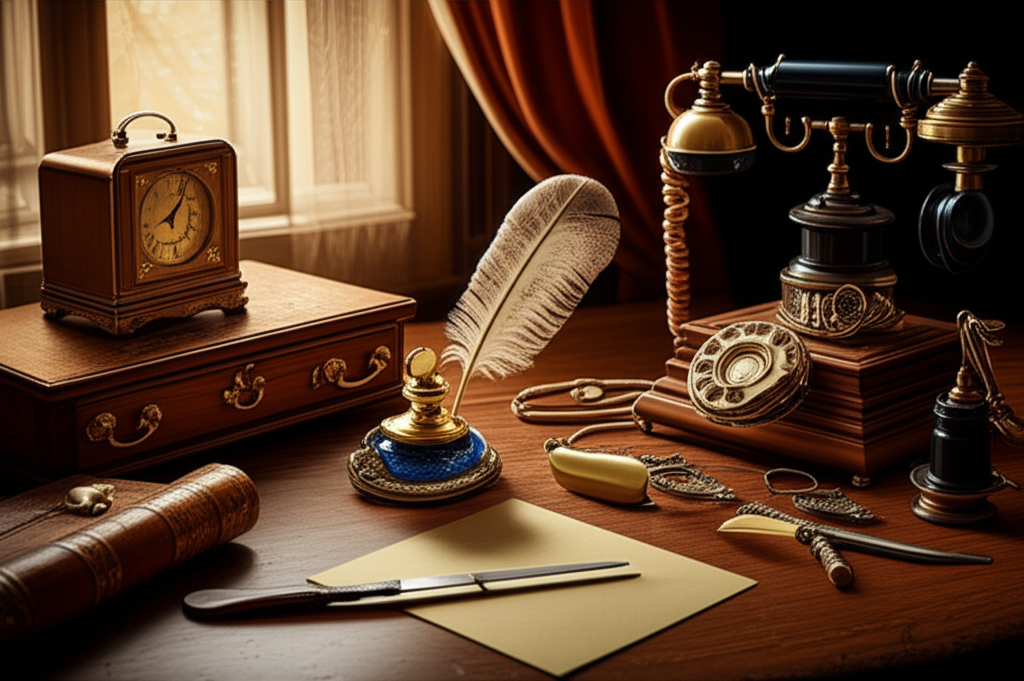
Discover the timeless charm and practical utility of antique office desk accessories. These essential, irresistible finds add character and functionality to any workspace, blending history with modern productivity. Explore why these vintage treasures are more than just decor; they’re functional art.
The modern office can feel sterile, filled with fleeting gadgets and disposable tools. But what if you could infuse your workspace with a sense of history, enduring quality, and undeniable charm? Antique office desk accessories offer a unique way to do just that. They’re not just decorative items; they are functional pieces that have stood the test of time. From elegant inkwells to sturdy letter openers, these vintage finds bring a tangible connection to the past into your daily work. This guide will help you navigate the world of antique office desk accessories, showing you what to look for and why they remain essential today.
Why Choose Antique Office Desk Accessories?
Antique office desk accessories bring a unique blend of history, craftsmanship, and enduring style to your workspace. They offer a tangible connection to the past, reminding us of a time when objects were built to last. These pieces often feature superior materials and intricate designs not commonly found in modern items.
The Enduring Appeal of Vintage Functionality
These items are more than just pretty objects; they are designed to be used. An antique letter opener isn’t just a statement piece; it efficiently slices through envelopes. A vintage desk lamp provides focused light, and a solid brass paperweight keeps your documents in place. This blend of form and function makes them incredibly satisfying to own and use.
Essential Antique Office Desk Accessories to Seek Out
Many antique office desk accessories are both beautiful and useful for modern tasks. Finding these pieces can transform your desk into a personalized sanctuary of style and efficiency. Let’s explore some of the most sought-after and practical items.
The Elegant Inkwell and Pen Holder

Inkwells and pen holders are iconic symbols of classic writing. Many antique inkwells are made from materials like glass, ceramic, or metal, often with ornate designs. A beautiful inkwell can still hold pens, pencils, or even small desk tools.
Materials: Glass, ceramic, brass, silver, wood.
Designs: Simple to elaborately carved or inlaid.
Modern Use: Pen holder, small item organizer.
These pieces connect us to the art of handwriting. They remind us of a slower pace of communication, adding a touch of gravitas to our digital-first world.
The Sturdy Letter Opener
A letter opener is a fundamental tool for any desk. Antique versions are often crafted from steel, silver, or even ivory, with handles made of various materials. They offer a satisfying weight and a sharp edge for neatly opening mail.
Blade Material: Steel, silver, brass.
Handle Material: Wood, bone, horn, metal, bakelite.
Functionality: Efficiently opens envelopes without tearing.
Owning a well-made antique letter opener is a small luxury. It elevates the mundane task of opening mail into a more refined experience.
The Classic Paperweight
Paperweights are essential for keeping documents in place, especially in drafty offices. Antique paperweights come in diverse forms, from solid glass orbs with embedded designs to sculpted metal figures. They add a touch of personality and weight to your desk.
Types: Glass (with inclusions), metal (cast or sculpted), stone.
Decorative Elements: Flowers, animals, abstract patterns, historical scenes.
Practicality: Prevents papers from scattering.
A good paperweight is both a functional tool and a miniature work of art. It’s a constant, subtle reminder of enduring craftsmanship.
The Timeless Blotter and Desk Pad
A desk blotter or pad protects your desk surface from ink and scratches. Antique blotters often feature leather or high-quality felt, sometimes with decorative tooling or metal corners. They provide a smooth writing surface and a touch of old-world elegance.
Materials: Leather, felt, rubber, embossed paper.
Features: Replaceable writing inserts, decorative borders.
Benefits: Desk protection, comfortable writing surface.
A beautiful desk pad grounds your workspace and offers a comfortable area for writing or using a laptop. It’s a foundational piece for a well-appointed desk.
The Functional Stapler and Hole Punch
While modern versions are common, antique staplers and hole punches are robust and often have a unique aesthetic. Many are made of cast iron or heavy metal, built for durability and a satisfying mechanical action. They are a testament to early industrial design.
Construction: Cast iron, steel, brass accents.
Mechanism: Often a lever or plunger action.
Durability: Built to withstand heavy use for decades.
These sturdy tools offer a satisfying tactile experience. Their solid construction feels a world away from flimsy plastic alternatives.
The Organized Card File and Calendar Holder
For those who still use physical notes or schedules, antique card files and calendar holders are invaluable. Often made of wood or metal, these pieces help keep information tidy. They bring a sense of order and a vintage charm to managing your tasks.
Materials: Oak, mahogany, brass, tin.
Purpose: Holding index cards, displaying calendars.
Aesthetic: Classic, often with labels or compartments.
These accessories help organize analog information with historical flair. They are perfect for those who appreciate a blend of old and new organizational methods.
The Illuminating Desk Lamp
An antique desk lamp can provide focused, warm light, enhancing your workspace atmosphere. Styles range from classic banker’s lamps with green glass shades to articulated brass models. They offer both practical illumination and a significant aesthetic upgrade.
Styles: Banker’s lamp, articulated arm lamp, industrial lamp.
Materials: Brass, bronze, iron, glass (often green or amber).
Lighting: Warm, focused light ideal for reading and detailed work.
A vintage lamp not only lights up your desk but also serves as a focal point. It adds character and a sophisticated glow to your work environment.
Where to Find These Irresistible Finds
Discovering antique office desk accessories is part of the treasure hunt. Many places offer these unique items, each with its own charm and selection. Patience and a keen eye are your best tools.
Antique Shops and Flea Markets
These are classic hunting grounds for vintage treasures. You can often find a wide variety of desk accessories at reasonable prices. The thrill of the find is part of the experience.
Pros: Wide variety, potential for great deals, tactile inspection.
Cons: Inventory changes constantly, may require bargaining, condition varies.
I’ve personally found some of my favorite pieces at local flea markets. It’s always a surprise what gems you might uncover!
Online Marketplaces and Auction Sites
Websites like eBay, Etsy, and specialized antique sites offer a vast selection. You can search for specific items and have them delivered to your door. This broadens your options significantly.
Pros: Extensive selection, convenient searching, buyer protection.
Cons: Cannot physically inspect items, shipping costs, potential for misrepresentation.
For a more curated selection of higher-end items, consider platforms like 1stDibs or Ruby Lane. These sites often feature professionally authenticated pieces.
Estate Sales and Auctions
Estate sales are fantastic for finding items directly from former homes. Auctions can also yield incredible finds, especially for rarer or more valuable pieces. These events offer a unique glimpse into past lives.
Pros: Direct sourcing, potential for unique historical items, competitive pricing at auctions.
Cons: Can be competitive, require quick decisions, items sold as-is.
Attending an estate sale feels like stepping back in time. You never know what historical artifacts you might stumble upon.
What to Look for When Buying Antique Desk Accessories
When acquiring antique office desk accessories, several factors contribute to their value and desirability. Focusing on these aspects will help you make informed choices and find pieces that are both beautiful and functional.
Condition and Craftsmanship
Examine the item for any damage like cracks, chips, or significant wear. Look for signs of quality craftsmanship, such as intricate detailing or solid construction. Well-preserved pieces with good craftsmanship will last longer and retain their value.
Check for: Stability, original parts, smooth operation.
Signs of quality: Fine detailing, solid joinery, quality materials.
A piece that is in good condition, even with minor signs of age, is often more desirable. It shows the object has been cared for.
Material and Authenticity
The materials used can indicate the era and quality of the piece. Brass, silver, solid wood, and fine glass are hallmarks of quality. Be wary of items that appear to be made of cheap reproductions or modern materials disguised as antique.
Valuable materials: Sterling silver, solid brass, hardwoods, cut glass.
Authenticity indicators: Maker’s marks, patina, construction methods.
Research common maker’s marks for the types of items you are interested in. This can help verify authenticity and add to the piece’s history.
Practicality and Functionality
Consider how you will use the accessory. Does it serve a purpose for your modern work style? A beautiful item that is also functional brings greater satisfaction. Ensure it works as intended or can be easily repaired.
Assess: Does it fit your workflow? Is it easy to use?
Repairability: Can it be fixed if needed? Are parts available?
The best antique desk accessories are those you will use regularly. Their daily utility makes their historical charm even more meaningful.
Rarity and Collectibility
Some antique desk accessories are rarer than others, making them more valuable and sought after by collectors. Items with unique designs, historical significance, or from well-known manufacturers can be particularly desirable.
Factors: Limited production, unique design, historical provenance.
Research: Consult antique guides or dealer expertise.
While rarity can increase value, don’t overlook more common items. A simple, well-crafted piece can still be an irresistible find for your personal collection.
Integrating Antique Accessories into a Modern Workspace
Blending vintage finds with contemporary technology requires a thoughtful approach. The goal is to create a harmonious space that feels both modern and personal, rather than cluttered or anachronistic.
Creating a Focal Point
Use a particularly striking antique piece, like a large inkwell or an ornate desk lamp, as a central feature. This draws the eye and sets the tone for the rest of your desk. Other accessories can then complement this main piece.
Strategy: Choose one standout item.
Placement: Position it where it can be easily seen and appreciated.
A well-placed antique item can become a conversation starter. It adds a layer of personality that mass-produced items cannot replicate.
Balancing Old and New
Pair antique accessories with modern technology like a sleek laptop or a minimalist monitor. The contrast can be very effective, highlighting the unique qualities of each. Avoid overwhelming your space with too many clashing styles.
Tip: Let the antique pieces breathe.
Balance: Mix textures and eras thoughtfully.
The juxtaposition of an old brass pen holder next to a modern tablet can be visually appealing. It shows a curated, intentional design.
Maintaining Functionality
Ensure your antique accessories don’t hinder your modern workflow. For example, if an inkwell is too messy for daily use, repurpose it as a pen holder. Adapt their function to suit your needs while respecting their original form.
Adaptation: Repurpose items for new uses.
Consideration: Ensure practical integration into your daily tasks.
Many antique desk accessories can be adapted for modern uses. A vintage stationery box can hold charging cables, for instance.
The Environmental Benefit of Choosing Antiques
Opting for antique office desk accessories is a sustainable choice. By giving these items a new life, you reduce the demand for new manufacturing, which consumes resources and energy. It’s a way to decorate your space responsibly.
Reducing Waste and Consumption
Buying antique items means you are reusing existing products. This directly reduces the amount of waste generated from manufacturing new goods. It’s a form of upcycling and a commitment to a circular economy.
Impact: Less landfill waste, reduced carbon footprint.
Principle: Reuse before recycling or discarding.
Choosing vintage items is a powerful statement against disposable culture. It supports sustainability and mindful consumption.
Supporting Craftsmanship and Durability
Antique accessories are often made with higher quality materials and better craftsmanship than many modern equivalents. They are built to last, meaning they won’t need frequent replacement. This longevity is a key aspect of their environmental appeal.
Quality: Superior materials, robust construction.
Longevity: Designed to endure for generations.
These items represent an investment in quality and sustainability. They are designed to be cherished and used for a very long time.
Investing in Timeless Style and Value
Antique office desk accessories are more than just decorative items; they are investments in timeless style and enduring value. Their unique character, quality craftsmanship, and historical significance make them appealing to a wide range of individuals.
Aesthetic Value and Personal Expression
These accessories offer a way to express your personal style and appreciation for history. They add a sophisticated and individual touch to your workspace that generic modern items cannot match. Your desk becomes a reflection of your taste and personality.
Uniqueness: Each piece has its own story and character.
Personalization: Creates a workspace that feels truly yours.
A desk adorned with antique pieces tells a story. It hints at a love for history and an appreciation for enduring beauty.
Potential for Value Appreciation
While not all antique desk accessories are valuable investments, certain rare or well-crafted items can appreciate over time. Factors like maker, material, condition, and historical significance play a role in their potential resale value. This makes them a more considered purchase.
Factors: Maker, rarity, material, condition, provenance.
Market: Collectible items can hold or increase their value.
It’s wise to research items you are considering purchasing for their potential long-term value. This is especially true for pieces made of precious metals or by renowned artisans.
Popular Styles and Eras of Antique Desk Accessories
Understanding different styles and eras can help you identify pieces that resonate with your aesthetic. Each period left its mark on the design and craftsmanship of desk accessories.
Victorian Era (circa 1837-1901)
This era is known for its ornate, elaborate designs. Expect heavy ornamentation, dark woods, and rich metals like brass and bronze. Items often feature intricate carvings, floral motifs, and a sense of grandeur.
Key Features: Ornate details, dark wood, heavy ornamentation, floral patterns.
Materials: Mahogany, walnut, brass, bronze, silver.
Victorian pieces often feel substantial and luxurious. They bring a sense of opulence to any desk.
Art Nouveau (circa 1890-1910)
Characterized by organic, flowing lines inspired by nature. Think stylized flowers, swirling patterns, and graceful curves. Materials often include glass, metal, and wood with an emphasis on artistic form.
Key Features: Organic shapes, flowing lines, nature-inspired motifs.
Materials: Stained glass, wrought iron, polished wood, enamel.
Art Nouveau pieces are artistic and elegant. They possess a distinctive, almost ethereal beauty.
Art Deco (circa 1920s-1930s)
This style is defined by geometric shapes, bold symmetry, and luxurious materials. Expect clean lines, stepped patterns, and a blend of materials like chrome, bakelite, and exotic woods. It’s a more streamlined and modern aesthetic compared to Victorian.
Key Features: Geometric patterns, symmetry, bold lines, streamlined forms.
Materials: Chrome, bakelite, lacquered wood, glass, ebony.
Art Deco accessories have a sleek, sophisticated, and often glamorous appeal. They represent the Jazz Age and a forward-looking spirit.
Mid-Century Modern (circa 1945-1965)
This era emphasizes functionality, clean lines, and natural materials. Think simple, uncluttered designs, often in wood like teak or walnut, with minimalist metal accents. It’s a more understated and practical style.
Key Features: Functional design, clean lines, minimalist aesthetic.
Materials: Teak, walnut, chrome, plastic, glass.
Mid-century modern pieces are practical and stylish. They offer a timeless, functional elegance.
Maintaining Your Antique Office Desk Accessories
Proper care ensures your antique desk accessories remain in good condition and retain their charm for years to come. Each material requires specific attention.
Cleaning and Preservation
Gently clean accessories with appropriate methods for their material. For metal, use a soft cloth and a mild cleaner; for wood, a specialized furniture polish. Avoid harsh chemicals or abrasive materials that can damage surfaces.
Metals: Soft cloth, metal polish (use sparingly).
Wood: Gentle dusting, wood polish, avoid excessive moisture.
Glass/Ceramic: Mild soap and water, soft cloth.
Regular, gentle cleaning is more effective than infrequent, aggressive cleaning. It preserves the item’s original patina and finish.
Storage and Handling
When not in use, store delicate items carefully to prevent damage. Use archival boxes or soft cloths to protect them. Always handle antique pieces with clean hands to avoid transferring oils or dirt.
Handling: Clean hands, avoid sudden movements.
Storage: Padded boxes, soft cloths, stable environment.
Proper handling and storage are crucial for preserving the integrity of antique items. It prevents accidental damage and wear.
The AI and Antique Desk Accessories: A Surprising Synergy
While it might seem contradictory, AI and antique desk accessories can coexist harmoniously. AI tools can help you research, identify, and even authenticate antique finds, bridging the gap between historical objects and modern technology.
AI for Research and Identification
AI-powered image recognition can help identify the maker, era, or style of an antique piece. Online AI tools can also analyze descriptions and historical data to provide insights into an item’s authenticity and value. This technology aids collectors in making more informed decisions.
Tools: AI image recognition apps, historical databases, online appraisal tools.
Benefits: Faster identification, better understanding of value, authentication assistance.
I’ve used AI tools to cross-reference maker’s marks I’ve found on potential purchases. It significantly speeds up the research process.
AI-Powered Authentication and Provenance
For high-value items, AI can analyze subtle details, material composition, and historical records to assist in authentication. It can help trace an item’s provenance, adding to its story and value. This integration of AI offers a new layer of confidence for collectors.
Application: Analyzing material signatures, historical document verification.
Outcome: Increased confidence in authenticity and historical accuracy.
This synergy shows how even the most traditional items can benefit from cutting-edge technology. It’s about enhancing appreciation and informed ownership.
FAQ: Your Questions About Antique Office Desk Accessories Answered
Here are some common questions beginners might have about antique office desk accessories.
What makes an office desk accessory “antique”?
Generally, an item is considered antique if it is 100 years old or older. However, the term “vintage” is often used for items between 20 and 99 years old, and these can also be highly desirable for a desk.
Are antique desk accessories practical for modern use?
Yes, many are very practical. Items like letter openers, pen holders, paperweights, and desk lamps can be used today just as they were intended. Some might need minor adaptations, but their core functionality remains.
How much do antique office desk accessories cost?
Prices vary widely based on age, rarity, material, condition, and maker. You can find simple vintage pieces for under $20, while rare, historically significant items can cost hundreds or thousands of dollars.
Where is the best place to buy antique desk accessories?
Antique shops, flea markets, estate sales, and reputable online marketplaces like Etsy and eBay are great places to start. Each offers a different experience and selection.
How do I care for antique metal desk accessories?
Clean them gently with a soft, dry cloth. For more stubborn tarnish on brass or silver, use a specialized metal polish sparingly. Avoid harsh chemicals or abrasive scrubbers that can damage the patina or surface.
Should I restore a damaged antique desk accessory?
It depends on the item and the damage. Minor repairs that maintain the original character are often acceptable. However, extensive restoration that alters the item’s original appearance or materials can decrease its value and authenticity. Consult an expert if unsure.
Conclusion: Elevate Your Workspace with Vintage Treasures
Antique office desk accessories offer a compelling blend of history, craftsmanship, and enduring functionality. They transform a mundane workspace into a personalized haven of character and style. By choosing these timeless pieces, you not only enhance your desk’s aesthetic but also embrace sustainability and support enduring quality. Whether you are a seasoned collector or just beginning, exploring the world of antique office desk accessories is a rewarding journey. These items are more than just tools; they are small pieces of history that bring enduring charm and irrefutable elegance to your daily work. Start your collection today and experience the unique satisfaction of working with objects built to last.

Belayet Hossain is a Senior Tech Expert and Certified AI Marketing Strategist. Holding an MSc in CSE (Russia) and over a decade of experience since 2011, he combines traditional systems engineering with modern AI insights. Specializing in Vibe Coding and Intelligent Marketing, Belayet provides forward-thinking analysis on software, digital trends, and SEO, helping readers navigate the rapidly evolving digital landscape. Connect with Belayet Hossain on Facebook, Twitter, Linkedin or read my complete biography.