


Published on: 02/11/2025 | Updated on: November 2, 2025
Unlock the deep, savory magic of au jus sauce with our guide to its essential flavor secrets, elevating any dish from simple to sublime.
Au jus sauce is a culinary treasure, a rich, flavorful liquid that enhances meats and other dishes. Many home cooks find creating a truly exceptional au jus challenging, leading to bland or disappointing results. This guide will demystify the process, revealing the secrets to an irresistible au jus sauce that will impress your family and friends. Get ready to transform your cooking with these simple yet powerful techniques.
What Exactly Is Au Jus Sauce?
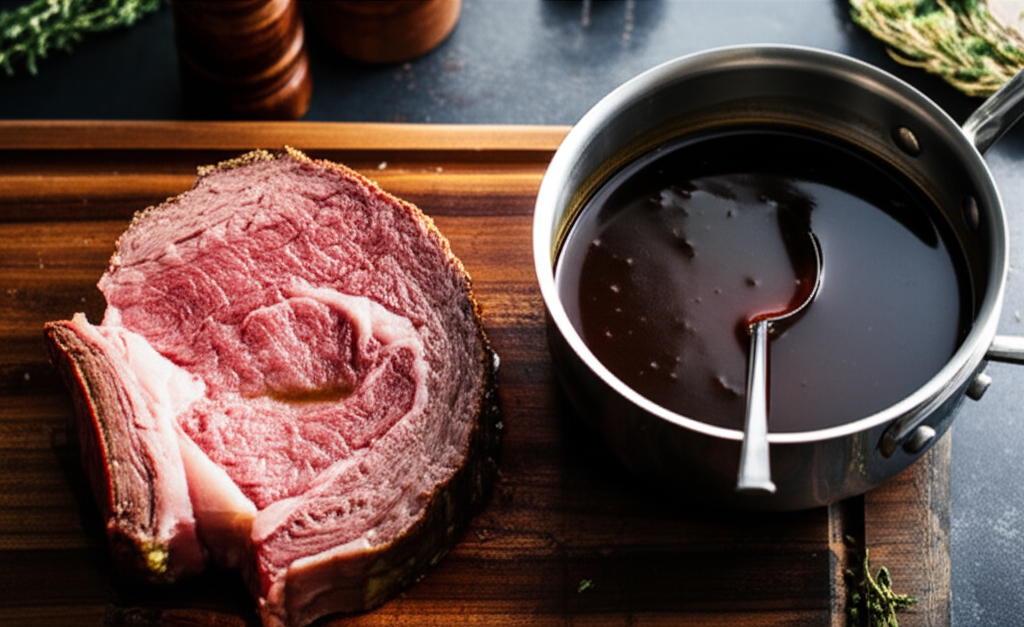
Au jus sauce is a simple pan sauce made from the natural juices released by roasting meat. It’s essentially the drippings from the roast, often enhanced with a bit of broth or wine, offering a pure, unadulterated meaty flavor. This liquid gold is perfect for dipping or drizzling, adding a layer of richness to your favorite dishes.
The Foundation: Choosing the Right Meat
The quality of your au jus sauce begins with the meat you choose. A well-marbled cut of beef, like prime rib or a chuck roast, will yield the most flavorful drippings. The fat and connective tissues in these cuts break down during cooking, creating a richer base for your sauce.
Beef Roasts for Optimal Flavor

For the best au jus, select beef roasts known for their robust flavor. Cuts like ribeye roast, sirloin, or even a bone-in standing rib roast are excellent choices. The bones themselves also add a depth of flavor to the pan drippings.
Beyond Beef: Other Meats for Au Jus
While beef is the classic, au jus can be made from other roasted meats too. Pork shoulder or lamb leg can produce a delicious, albeit different, au jus. The key is to use a cut that releases flavorful juices during the roasting process.
Unlocking Flavor: The Roasting Process
How you roast your meat significantly impacts the resulting au jus. A good sear on the meat before roasting helps develop deep flavors through the Maillard reaction. This browning creates complex compounds that transfer directly into the pan drippings.
The Importance of Searing
Always start by searing your meat on all sides in a hot pan before transferring it to the oven. This caramelization locks in juices and creates the flavorful fond – those browned bits stuck to the bottom of the pan – which are crucial for a magnificent au jus sauce. This fond is the soul of your sauce.
Low and Slow vs. High Heat Roasting
Both low and slow and high-heat roasting methods can yield great au jus. Low and slow can render fat more effectively, while high heat creates more intense browning. Experiment to see which method best suits your preferred meat and desired flavor profile.
The Secret Ingredient: Deglazing the Pan
Deglazing is perhaps the most critical step in creating a flavorful au jus sauce. This involves adding a liquid to the hot roasting pan after the meat is removed to loosen all those delicious browned bits stuck to the bottom. These bits, known as fond, are packed with intense flavor.
Choosing Your Deglazing Liquid
Water is the simplest option for deglazing, but for a more complex flavor, consider using beef broth, red wine, or even a splash of brandy. The liquid you choose will subtly influence the final taste of your au jus. Red wine, for instance, adds acidity and depth.
Technique Matters for Perfect Deglazing
Pour your chosen liquid into the hot pan and use a wooden spoon or whisk to scrape up all the browned bits from the bottom. Simmer this liquid for a few minutes to allow the alcohol to evaporate if you used wine or spirits. This process captures all the essence of the roast.
Building Depth: Enhancing Your Au Jus
While simple pan juices can be delicious, a few enhancements can elevate your au jus sauce to gourmet status. These additions build layers of flavor, making your sauce truly irresistible. Think of it as fine-tuning an already excellent base.
Aromatics: The Unsung Heroes
Adding aromatics like chopped onions, carrots, and celery to the pan after deglazing can infuse your au jus with more complex flavors. Sauté these vegetables briefly before adding your main liquid. Herbs like thyme and rosemary also add wonderful fragrant notes.
Broth and Stock: The Flavor Backbone
For a richer, more robust au jus sauce, supplementing the pan drippings with good quality beef broth or stock is common. Use a low-sodium variety so you can control the saltiness. A homemade stock will always yield the best results.
Wine and Spirits: Adding Complexity
A splash of dry red wine, sherry, or even a bit of brandy can add incredible depth and sophistication to your au jus. Cook the wine down after deglazing to burn off the harsh alcohol taste, leaving behind its fruity or earthy notes. This step adds a professional touch.
The Role of Fat: Rendering and Skimming
Fat is essential for flavor, but too much can make your au jus greasy. Properly rendering the fat during roasting and then skimming the excess from the surface of your sauce is key. This creates a balanced flavor and a pleasing texture.
Rendering Fat During Roasting
Allowing the meat to render its fat during roasting helps concentrate the drippings. This process means you’ll have less excess fat to skim later. A well-trimmed roast still has enough fat for flavor without being overwhelming.
Skimming for a Clean Finish
Once your au jus sauce is deglazed and simmering, use a ladle or spoon to skim off the excess fat that rises to the surface. A clean au jus is more pleasant to eat and allows the other flavors to shine through. A little fat is good; too much is not.
Thickening Your Au Jus: A Matter of Preference
Traditionally, au jus sauce is thin and meant to be sipped or used for dipping. However, some prefer a slightly thicker consistency. You can achieve this using a simple slurry or by reducing the sauce further.
The Cornstarch Slurry Method
For a quick thickening, mix one tablespoon of cornstarch with two tablespoons of cold water to create a slurry. Whisk this mixture into your simmering au jus and cook until it thickens. Use sparingly to avoid a gummy texture.
Reduction: The Natural Thickener
Allowing your au jus sauce to simmer and reduce uncovered will naturally thicken it as the liquid evaporates. This method concentrates the flavors further, creating a richer sauce without altering the taste profile. Patience yields delicious results.
Seasoning Your Au Jus: The Final Touch
Proper seasoning is the final, crucial step in perfecting your au jus sauce. Taste and adjust the salt and pepper before serving. A well-seasoned sauce can make all the difference.
Salt and Pepper Essentials
Start with a good pinch of salt and a grind of fresh black pepper. Remember that broths and stocks can already be salty, so season incrementally and taste as you go. You can always add more, but you can’t take it away.
Beyond Basics: Umami Boosters
For an extra boost of savory flavor, consider a dash of Worcestershire sauce or a tiny amount of soy sauce. These ingredients add umami, the fifth taste, enhancing the overall meaty depth of your au jus. Use them judiciously.
Serving Suggestions: Where Au Jus Shines
Au jus sauce is incredibly versatile and elevates a wide range of dishes. Its simple, savory profile makes it a perfect accompaniment to many meats and even some vegetables. It’s the quintessential sauce for classic comfort food.
Classic Pairings: Roasts and Steaks
The most classic use for au jus sauce is with roast beef, prime rib, and steaks. It’s perfect for dipping slices of roast or spooning over a perfectly cooked steak. Think French dip sandwiches, a true au jus masterpiece.
Unexpected Uses for Au Jus
Don’t limit yourself to just roasts. Try drizzling au jus over mashed potatoes, roasted vegetables, or even using it as a base for gravies and stews. Its rich flavor can add a surprising depth to many recipes. It’s a flavor enhancer for almost anything.
Common Au Jus Mistakes to Avoid
Even with the best intentions, some common pitfalls can lead to a less-than-perfect au jus sauce. Being aware of these mistakes can help you achieve consistently delicious results. Avoiding these traps ensures a superior sauce every time.
Over-Salting and Under-Seasoning
The most frequent error is over-salting, especially when using pre-made broths. Conversely, under-seasoning leaves the sauce tasting flat. Always taste and adjust carefully at the end of the cooking process.
Using Weak or Bland Broth
If you’re supplementing with broth, its quality matters. A weak or bland broth will result in a weak or bland au jus. Opt for a high-quality beef broth or, even better, homemade stock for the best flavor.
Not Scraping Up All the Fond
Forgetting to scrape up all the browned bits (fond) from the bottom of the pan is a major missed opportunity. This fond is where the most intense flavor resides. Ensure a thorough deglazing for maximum taste.
Frequently Asked Questions About Au Jus Sauce
What is the difference between au jus and gravy?
Au jus is typically thinner and made primarily from meat juices and pan drippings, sometimes with added broth. Gravy is usually thickened with a roux (flour and fat) or a cornstarch slurry and often includes milk or cream.
Can I make au jus sauce ahead of time?
Yes, au jus sauce can be made a day or two in advance and stored in the refrigerator. Reheat it gently on the stovetop, and you may need to add a little extra liquid or seasoning.
What if I don’t have pan drippings? Can I still make au jus?
You can create a simplified au jus using good quality beef broth, a little beef bouillon or extract for intensity, and some browning elements like soy sauce or Worcestershire sauce. It won’t be identical but can still be delicious.
How long does au jus sauce last?
Properly stored in an airtight container in the refrigerator, au jus sauce will last for 3-4 days. For longer storage, it freezes well for up to 3 months.
What is the best meat to use for au jus?
Beef is traditionally the best meat for au jus, particularly cuts like prime rib, chuck roast, or sirloin, as they release flavorful juices and fat when roasted.
Can au jus be made from chicken or pork?
Yes, you can make an au jus from roasted chicken or pork, but the flavor profile will be different from beef au jus. You would use the respective meat’s drippings and potentially a lighter broth.
Conclusion: Mastering the Art of Au Jus
Au jus sauce is more than just a condiment; it’s a celebration of the main ingredient’s inherent flavor. By understanding the role of quality meat, proper roasting, careful deglazing, and thoughtful seasoning, you can consistently create an irresistible au jus sauce. Don’t be intimidated; these secrets are simple to implement and will undoubtedly elevate your culinary creations. Embrace the rich, savory essence of au jus and make it a staple in your kitchen.

Belayet Hossain is a Senior Tech Expert and Certified AI Marketing Strategist. Holding an MSc in CSE (Russia) and over a decade of experience since 2011, he combines traditional systems engineering with modern AI insights. Specializing in Vibe Coding and Intelligent Marketing, Belayet provides forward-thinking analysis on software, digital trends, and SEO, helping readers navigate the rapidly evolving digital landscape. Connect with Belayet Hossain on Facebook, Twitter, Linkedin or read my complete biography.