
Published on: 02/11/2025 | Updated on: November 2, 2025
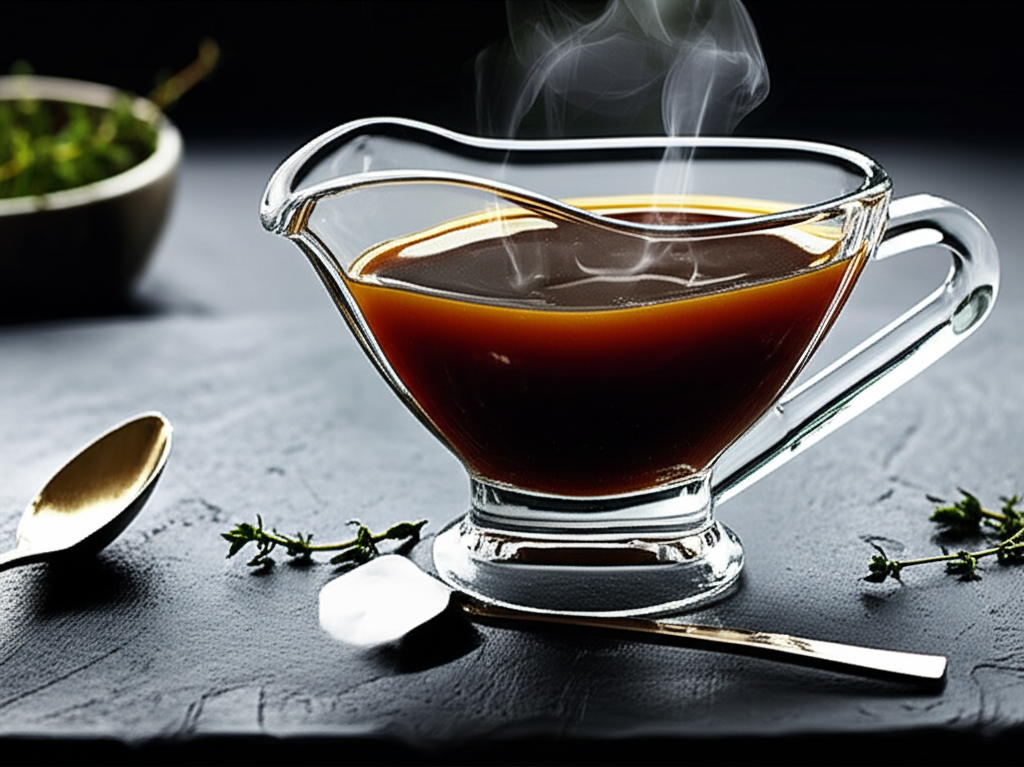
Au jus sauce is a simple, savory pan drippings sauce that elevates roasted meats like prime rib and roasts. This guide provides an essential, irresistible recipe for homemade au jus, perfect for home cooks seeking restaurant-quality flavor.
Craving that rich, savory sauce that makes roasted meats truly sing? Many home cooks struggle to recreate the deep, complex flavors of restaurant-quality au jus sauce. It often seems like a culinary secret, leading to disappointing meals. But what if I told you that making an irresistible au jus sauce is surprisingly simple and requires just a few key ingredients? This guide will walk you through every step, ensuring you can achieve that perfect, flavorful sauce every time. Get ready to impress yourself and your guests with a truly essential au jus.
What is Au Jus Sauce?
Au jus sauce is a classic French culinary term meaning “with juice.” It refers to a simple sauce made from the natural meat juices or drippings left in the pan after roasting meat. This flavorful liquid is then often enhanced with a little extra liquid and seasoning.
Au jus sauce is the unsung hero of many roasted meat dishes. Its pure, savory essence comes directly from the meat itself. This natural flavor profile makes it a perfect accompaniment to prime rib, roasts, and even steak.
The Magic of Pan Drippings: The Foundation of Au Jus
Pan drippings are the flavor goldmine left behind after cooking meat. These browned bits, known as fond, are packed with caramelized proteins and fats. Deglazing the pan with a liquid releases this fond, infusing the au jus with incredible depth.
Understanding the role of fond is crucial for developing rich au jus. It’s the concentrated essence of the roasted meat. Properly capturing and utilizing these drippings transforms a simple sauce into something truly special.
Essential Ingredients for Irresistible Au Jus
Creating a truly irresistible au jus sauce relies on a few key, high-quality ingredients. Beyond the fundamental pan drippings, a good broth and simple seasonings are vital. These elements work together to build a balanced and deeply satisfying flavor.
Here are the core components you’ll need for your au jus:
Pan Drippings: The foundation of your sauce.
Beef Broth or Stock: Unsalted or low-sodium is best to control saltiness.
Aromatics (Optional): Such as onion, garlic, or herbs like thyme and rosemary.
Seasoning: Salt and freshly ground black pepper.
Butter (Optional): For richness and a glossy finish.
The Essential Au Jus Sauce Recipe: Step-by-Step
This recipe focuses on simplicity and maximum flavor, perfect for any home cook. It’s designed to capture the essence of the roasted meat and create a truly irresistible au jus sauce. Follow these steps for delicious results every time.
Step 1: Collect the Pan Drippings

After roasting your meat, carefully remove it from the roasting pan. Pour off most of the excess fat, leaving behind the flavorful browned bits (fond) and any remaining juices. You can use a fat separator for this.
This initial step is critical for building the flavor base. Leaving some fat is okay, as it adds richness, but too much will make the au jus greasy. The browned bits are where the magic begins.
Step 2: Deglaze the Pan
Place the roasting pan over medium heat on your stovetop. Add a splash of liquid, such as water, beef broth, or even red wine, to the pan. Use a wooden spoon or spatula to scrape up all the browned bits from the bottom.
Deglazing is a fundamental technique that unlocks immense flavor. It lifts the fond from the pan, incorporating it into your liquid base. This process is key to a deeply savory au jus.
Step 3: Add Broth and Simmer
Pour in your beef broth or stock, typically 2-4 cups depending on the size of your roast and pan. Bring the mixture to a gentle simmer. You can add optional aromatics like a sprig of thyme or a bay leaf at this stage.
Simmering allows the flavors to meld and the sauce to reduce slightly. This concentration deepens the au jus’s savory character. Resist the urge to boil vigorously; a gentle simmer is best for flavor development.
Step 4: Strain and Season
Once the au jus has simmered for about 10-20 minutes and reduced slightly, strain it through a fine-mesh sieve into a clean saucepan or bowl. Discard any solids. Taste the au jus and season with salt and freshly ground black pepper as needed.
Straining ensures a smooth, elegant sauce, free of any unwanted bits. Seasoning at the end allows you to perfectly balance the flavor. This is where you fine-tune your irresistible au jus.
Step 5: Finish and Serve (Optional)
For an extra rich and glossy finish, you can whisk in a tablespoon of cold butter into the strained au jus just before serving. This technique, called “monter au beurre,” adds a luxurious texture. Serve hot alongside your favorite roasted meats.
This final touch elevates the au jus from good to exceptional. The butter emulsifies into the sauce, creating a velvety mouthfeel. It’s a simple step that makes a big difference.
Variations and Enhancements for Your Au Jus
While the classic au jus sauce recipe is fantastic on its own, you can easily customize it. Experimenting with different liquids and aromatics can create unique flavor profiles tailored to your meal. These variations add exciting dimensions to this versatile sauce.
Adding Wine or Other Liquids
Red wine is a popular choice for deglazing, adding complexity and acidity. You can also use white wine, brandy, or even a splash of balsamic vinegar for a different flavor profile. The liquid you choose will subtly influence the final taste of your au jus.
Using a complementary liquid can significantly enhance the au jus. For instance, a robust red wine pairs beautifully with beef, while a lighter wine might suit pork. Choose based on the meat you’re serving.
Incorporating Herbs and Spices
Fresh herbs like thyme, rosemary, or bay leaves can be added during the simmering process. Dried herbs can also be used, but add them earlier to allow their flavor to infuse. A pinch of garlic powder or onion powder can also boost savoriness.
Herbs and spices are excellent tools for layering flavor. They complement the natural meat juices without overpowering them. Select herbs that harmonize with the roasted meat for the best results.
Making a Thicker Au Jus
If you prefer a thicker sauce, you can create a slurry with cornstarch or flour. Mix 1 tablespoon of cornstarch or flour with 2 tablespoons of cold water to form a smooth paste. Whisk this slurry into the simmering au jus and cook for a minute or two until thickened.
A thickened au jus can cling better to the meat. This method is useful if your pan drippings were lean or if you desire a gravy-like consistency. Ensure the slurry is fully incorporated to avoid a starchy taste.
Troubleshooting Common Au Jus Problems
Even with a simple recipe, issues can arise. Understanding common problems and their solutions will help you achieve perfect au jus sauce every time. Don’t let a minor setback deter you from enjoying this delicious accompaniment.
My Au Jus Lacks Flavor
This often happens if there weren’t enough browned bits (fond) in the pan or if the broth used was bland. Ensure you scrape the pan thoroughly during deglazing and use a good quality, flavorful beef broth. You might also need to season more assertively.
The richness of au jus directly correlates to the quality of the drippings and broth. A weak flavor means a missed opportunity to capture those essential meat essences. Always taste and adjust seasoning at the end.
My Au Jus is Too Greasy
Too much fat in the pan drippings is the usual culprit. Before deglazing, pour off as much rendered fat as possible. You can also skim excess fat from the surface of the simmering au jus using a spoon or a fat separator.
Excess fat can make the au jus unappealing and difficult to enjoy. Removing it ensures a cleaner, more palatable sauce. Patience with skimming is key.
My Au Jus is Too Salty
If you used a pre-made broth that was already salted, this can happen. Always opt for low-sodium or unsalted broth when possible. If your au jus is too salty, you can try diluting it with a little unsalted beef broth or water. Adding a small amount of sugar can also help balance excessive saltiness.
Controlling salt is essential, especially when using broth. Tasting frequently allows for adjustments. Dilution is often the easiest fix for an overly salty sauce.
Au Jus vs. Gravy: Understanding the Difference
While both are delicious meat-based sauces, au jus and gravy have distinct characteristics. Knowing the difference helps you choose the right sauce for your dish and understand their preparation. Both are staples in comforting cuisine.
Au jus is essentially the natural juices from roasted meat, sometimes enhanced with broth. Gravy, on the other hand, is typically thickened with a roux (flour cooked in fat) or a cornstarch slurry, making it richer and thicker. Au jus is lighter and more delicate in flavor.
Here’s a simple comparison:
| Feature | Au Jus Sauce | Gravy |
| :———— | :—————————————– | :—————————————— |
| Base | Natural meat drippings/juices | Pan drippings, broth, and a thickener |
| Texture | Thin, liquid | Thicker, richer |
| Flavor | Savory, concentrated meat essence | Rich, complex, often herbaceous |
| Thickener | None (naturally reduced) | Roux (flour/fat) or cornstarch slurry |
| Preparation| Deglazing, simmering, straining | Making a roux, whisking in liquids, simmering |
Understanding these differences allows for better culinary decisions. Both are wonderful, but serve different purposes and offer distinct eating experiences.
Serving Suggestions for Your Irresistible Au Jus
The beauty of au jus sauce lies in its versatility. It’s the perfect partner for a wide array of dishes, enhancing their natural flavors without overwhelming them. Serve it alongside your main course for an elevated dining experience.
Prime rib is the quintessential pairing for au jus. It also shines with roast beef, tenderloin, and other roast cuts. Don’t overlook its potential with pork roasts, lamb, or even as a dipping sauce for French dip sandwiches.
Consider these serving ideas:
French Dip Sandwiches: A classic use for au jus.
Roast Beef: Pour generously over slices.
Steak: A lighter alternative to steak sauce.
Mashed Potatoes: Dip your potatoes for an extra flavor kick.
Leftover Roast: Revitalize it by serving with fresh au jus.
Tips for Making Au Jus Ahead of Time
If you’re planning a large meal, making au jus sauce ahead of time can save valuable oven space and time. It’s a sauce that often benefits from being made in advance, allowing flavors to meld further. Proper storage is key to maintaining its quality.
You can prepare your au jus sauce a day or two in advance. Let it cool completely, then store it in an airtight container in the refrigerator. Gently reheat it on the stovetop before serving, adding a touch more broth if it has become too thick.
Frequently Asked Questions About Au Jus Sauce
What kind of meat is best for au jus?
Beef is traditional for au jus, especially prime rib or roast beef. However, you can make delicious au jus from pork, lamb, or even chicken drippings. The key is flavorful drippings from a well-roasted cut.
Can I make au jus without pan drippings?
Yes, you can make a simplified version using good quality beef broth, a little Worcestershire sauce, and seasonings. While it won’t have the same depth as traditional au jus, it can still be quite flavorful. Consider adding some sautéed onions or garlic for more complexity.
How long does au jus sauce last in the refrigerator?
Properly stored au jus sauce will last for 3-4 days in an airtight container in the refrigerator. Always ensure it has cooled completely before refrigerating. Reheat gently on the stovetop and discard if you notice any off smells or appearances.
Can I freeze au jus sauce?
Absolutely. Au jus sauce freezes very well. Let it cool completely, then pour it into freezer-safe containers or ice cube trays for portion control. Frozen au jus can last for up to 3 months.
What is the difference between beef broth and beef stock for au jus?
Beef broth is typically made from simmering beef bones and meat with vegetables, resulting in a lighter, more seasoned liquid. Beef stock is made by simmering beef bones for a longer period, extracting more collagen and minerals, leading to a richer, more gelatinous liquid. For au jus, either can work, but a good quality stock often yields a richer sauce.
Can I use store-bought au jus packets?
While convenient, store-bought packets often contain artificial flavors, excessive sodium, and preservatives. For the best, most natural flavor, making your own au jus from pan drippings is highly recommended. You’ll taste the difference immediately.
Conclusion: Master the Art of Au Jus Sauce
Crafting an irresistible au jus sauce is a rewarding culinary achievement that elevates any roasted meat dish. By understanding the power of pan drippings and following a simple, well-researched recipe, you can consistently produce a sauce that rivals those found in fine dining establishments. This essential au jus recipe, built on a foundation of natural meat juices and enhanced with quality broth, is your gateway to savory perfection.
Don’t let the simplicity fool you; this au jus sauce is incredibly impactful. It’s a testament to how basic ingredients and techniques can create profound flavor. With this guide, you’re well-equipped to make your own perfect au jus sauce, adding a touch of gourmet flair to your home cooking.

Belayet Hossain is a Senior Tech Expert and Certified AI Marketing Strategist. Holding an MSc in CSE (Russia) and over a decade of experience since 2011, he combines traditional systems engineering with modern AI insights. Specializing in Vibe Coding and Intelligent Marketing, Belayet provides forward-thinking analysis on software, digital trends, and SEO, helping readers navigate the rapidly evolving digital landscape. Connect with Belayet Hossain on Facebook, Twitter, Linkedin or read my complete biography.