


Published on: 02/11/2025 | Updated on: November 2, 2025
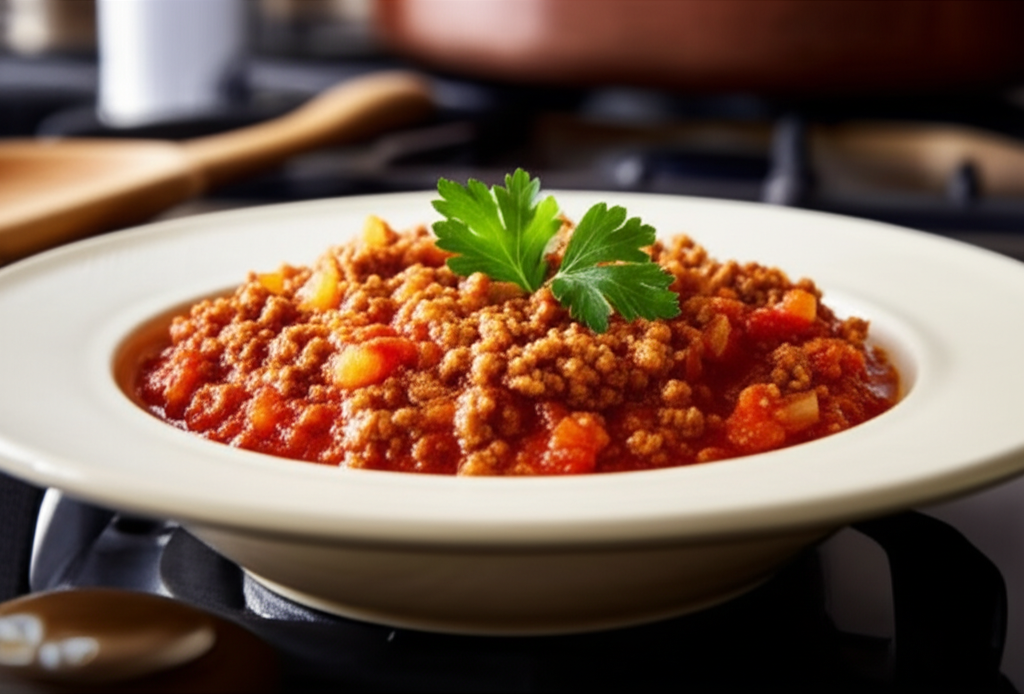
Discover the secrets to an authentic Bolognese sauce, a rich, slow-cooked ragù that transforms any pasta dish into an irresistible culinary masterpiece. This essential recipe focuses on traditional ingredients and techniques for unparalleled depth of flavor.
Making a truly authentic Bolognese sauce can seem daunting, but it’s simpler than you think. Many recipes online offer quick versions, but these often miss the deep, complex flavors that make the real deal so special. This guide will walk you through creating a classic Bolognese, step-by-step, ensuring a rich, satisfying meal every time. We’ll cover everything from the best ingredients to the slow cooking process that unlocks its irresistible taste.
What Makes Bolognese Sauce Truly Authentic?
Authentic Bolognese sauce, or Ragù alla Bolognese, is a slow-cooked meat sauce originating from Bologna, Italy. Its defining characteristic is the rich, savory depth achieved through a careful combination of meats, soffritto, and a long, gentle simmer. Unlike simpler tomato sauces, Bolognese develops its complexity over hours, allowing flavors to meld beautifully.
The Essential Ingredients for a Classic Bolognese
Gathering the right ingredients is the first crucial step to achieving an authentic flavor. Traditional Bolognese relies on a specific blend of meats and aromatics, not just ground beef. Using high-quality components will significantly impact the final taste and texture of your ragù.
Meat Selection: The Foundation of Flavor

A true Bolognese uses a mix of meats for a richer, more nuanced flavor profile. The traditional combination includes finely ground beef and pork. Pancetta, a cured pork belly, is also a vital component, adding a salty, savory foundation.
Aromatics and Vegetables: The Soffritto
The soffritto is the aromatic base of many Italian sauces, and Bolognese is no exception. It typically consists of finely diced onion, celery, and carrot. Cooking these vegetables slowly until softened releases their natural sweetness and forms the flavor backbone of the sauce.
Liquids and Seasonings: Building Depth
Beyond the meats and vegetables, specific liquids and seasonings are key. These include dry white or red wine, whole milk, and a small amount of tomato paste or passata. The milk tenderizes the meat and adds a subtle creaminess that balances the acidity of the tomatoes.
Step-by-Step: Crafting Your Authentic Bolognese Sauce
Creating this classic ragù is a process of building layers of flavor. Each step is designed to enhance the ingredients and create a sauce that is both hearty and incredibly satisfying. Patience is your most important tool here, as slow cooking is the secret to its magic.
Step 1: Preparing the Soffritto
Begin by finely dicing one medium onion, two celery stalks, and two carrots. Sauté these vegetables in a generous amount of olive oil or butter over medium-low heat. Cook them gently for about 10-15 minutes until they are very soft and translucent, but not browned.
Step 2: Browning the Meats
Add finely chopped pancetta to the soffritto and cook until it renders its fat. Then, add your ground beef and pork, breaking it up with a spoon. Brown the meat thoroughly, ensuring no pink remains. This browning process is essential for developing deep, savory flavors.
Step 3: Deglazing and Adding Liquids
Pour in about one cup of dry white or red wine, scraping up any browned bits from the bottom of the pan. Let the wine simmer and reduce until almost completely evaporated. Next, stir in a few tablespoons of tomato paste and cook for a minute.
Step 4: The Slow Simmer
Add about one cup of whole milk to the pan and let it simmer gently until mostly absorbed. Then, add a can of crushed tomatoes or passata. Season with salt and pepper. Bring the sauce to a bare simmer, then cover and cook for at least 2-3 hours, stirring occasionally.
The Importance of Slow Cooking
The long, slow cooking time is what truly transforms Bolognese from a simple meat sauce into a rich ragù. This extended simmering period allows the flavors to meld and deepen. It also breaks down the connective tissues in the meat, resulting in an incredibly tender and luscious texture.
Serving Your Bolognese
Authentic Bolognese is traditionally served with fresh tagliatelle or other wide, flat pasta. The rough texture of fresh pasta holds the rich sauce beautifully. A sprinkle of freshly grated Parmigiano-Reggiano cheese is the perfect finishing touch.
Common Mistakes to Avoid
Many home cooks make common errors that prevent their Bolognese from reaching its full potential. Overcooking the soffritto, using too much tomato, or not simmering long enough are frequent pitfalls. Avoiding these simple mistakes will elevate your sauce significantly.
| Mistake | Impact on Sauce | Solution |
| :————————– | :————————————————- | :——————————————————————– |
| Rushing the simmer | Lacks depth and tenderness | Simmer for at least 2-3 hours, or even longer. |
| Using only ground beef | Less complex flavor and texture | Incorporate ground pork and pancetta for richness. |
| Overcrowding the pan | Meat steams instead of browning | Brown meat in batches if necessary to ensure good searing. |
| Adding too much tomato | Overwhelms meat flavor, becomes too acidic | Use tomato paste or a moderate amount of passata; milk balances acidity. |
| Not using enough fat | Sauce can be dry and flavors less integrated | Use good quality olive oil or butter, and let pancetta render properly. |
Variations and Additions
While the classic recipe is superb, some regional variations exist. Some cooks add a small amount of beef broth for extra moisture or a bay leaf for an herbaceous note. However, it’s best to start with the traditional method to truly understand its essence.
Pairing Your Bolognese
The richness of Bolognese pairs wonderfully with medium-bodied red wines like Sangiovese or Chianti. A simple green salad with a light vinaigrette can provide a refreshing contrast to the hearty sauce. For a truly Italian experience, serve it with crusty bread for sopping up every last drop.
Frequently Asked Questions
Can I make Bolognese sauce ahead of time?
Yes, Bolognese sauce is an excellent make-ahead dish. In fact, its flavor often improves after resting overnight in the refrigerator.
How long does authentic Bolognese sauce last?
Properly stored in an airtight container in the refrigerator, authentic Bolognese sauce can last for 3-4 days. It can also be frozen for up to 3 months.
What is the best pasta for Bolognese sauce?
Traditionally, fresh tagliatelle is the preferred pasta for Bolognese. Other wide, flat pastas like pappardelle or fettuccine also work very well.
Can I use different types of meat?
While beef and pork are traditional, you can experiment with a mix of veal and pork for a slightly different flavor profile. Some also add a small amount of chicken livers for extra depth.
Do I need to add milk to Bolognese sauce?
Yes, adding whole milk is a traditional step that helps tenderize the meat and adds a subtle richness and creamy texture to the sauce. It also helps to balance the acidity of the tomatoes.
What does “soffritto” mean?
Soffritto is an Italian culinary term referring to the aromatic base of finely diced vegetables, typically onion, celery, and carrot, sautéed slowly in fat. It forms the flavor foundation for many Italian dishes.
Conclusion: Your Journey to Perfect Bolognese
Crafting an authentic Bolognese sauce is a rewarding culinary endeavor. By focusing on quality ingredients, traditional techniques, and patient, slow cooking, you can achieve a ragù that is deeply flavorful and utterly irresistible. This essential recipe provides the foundation for countless delicious meals, proving that some classics are worth the time and effort. Enjoy the rich, comforting taste of true Bolognese.

Belayet Hossain is a Senior Tech Expert and Certified AI Marketing Strategist. Holding an MSc in CSE (Russia) and over a decade of experience since 2011, he combines traditional systems engineering with modern AI insights. Specializing in Vibe Coding and Intelligent Marketing, Belayet provides forward-thinking analysis on software, digital trends, and SEO, helping readers navigate the rapidly evolving digital landscape. Connect with Belayet Hossain on Facebook, Twitter, Linkedin or read my complete biography.