
Published on: 02/11/2025 | Updated on: November 2, 2025
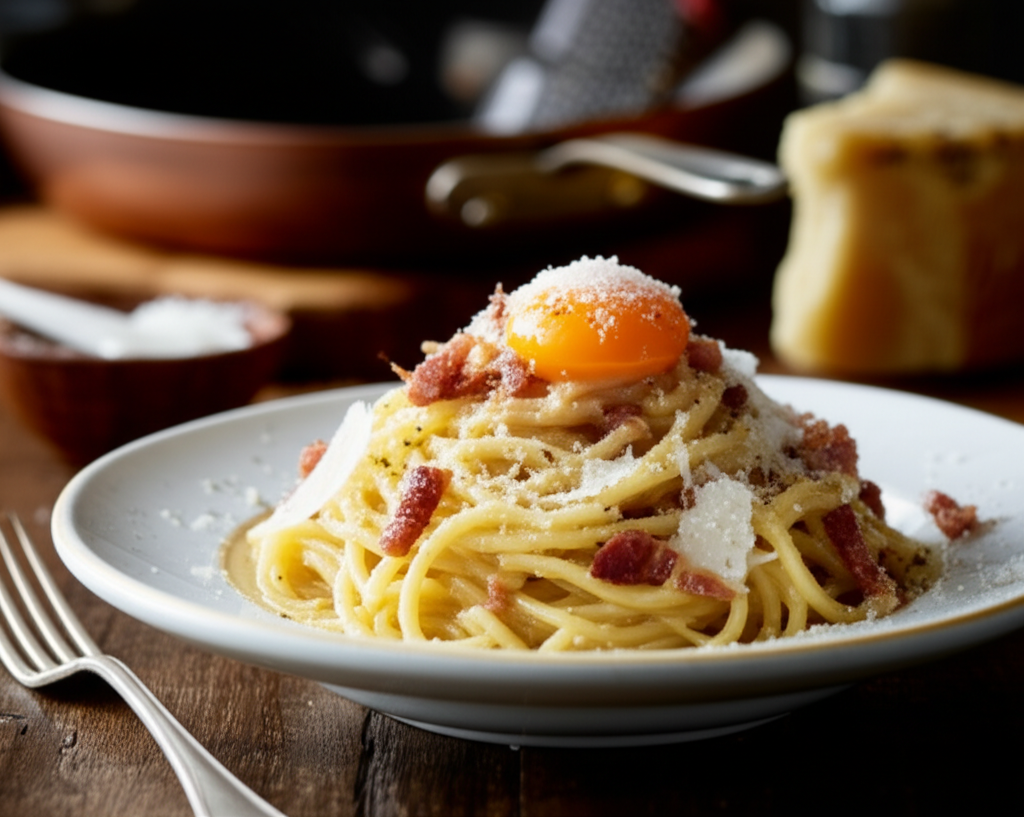
Unlock the secret to a truly authentic carbonara with this proven recipe, ditching cream for the rich, silky sauce that defines this Roman classic.
Craving a taste of Rome that’s unbelievably easy to make? Many home cooks struggle to achieve the creamy, rich texture of true carbonara, often resorting to cream which is a cardinal sin in Italian cooking. This frustration is understandable when recipes promise authenticity but deliver disappointment. Fear not, because I’m here to guide you through the simple yet precise steps to create a genuinely authentic carbonara that will impress everyone. Get ready for a culinary journey to Italy, right in your own kitchen!
Why Authentic Carbonara is a Culinary Icon
Authentic carbonara is a beloved Roman pasta dish celebrated for its simplicity and rich flavor. It relies on just a few high-quality ingredients to create a masterpiece. Its iconic status comes from the perfect balance of salty cured pork, sharp cheese, fresh eggs, and peppery heat.
This dish is a testament to Italian culinary philosophy: let simple, excellent ingredients shine. Unlike many Westernized versions, the true carbonara avoids cream, achieving its signature silkiness through a precise emulsification of egg yolks, Pecorino Romano, and rendered pork fat.
The Pillars of True Carbonara: Essential Ingredients
Achieving an authentic carbonara hinges entirely on the quality of its core components. Using the right ingredients is non-negotiable for that genuine Roman taste. Each element plays a crucial role in the final dish’s flavor and texture.
The foundation of authentic carbonara lies in guanciale, Pecorino Romano cheese, fresh eggs, black pepper, and pasta. Guanciale, cured pork jowl, offers a unique depth of flavor and renders fat beautifully. Pecorino Romano, a hard, salty sheep’s milk cheese, provides a sharp tang essential to the dish.
Guanciale: The Soul of Carbonara

Guanciale is the traditional cured pork product used in carbonara, prized for its rich, distinct flavor and the way its fat renders. Pancetta is a common substitute, but it doesn’t quite replicate the unique depth guanciale provides. Bacon is generally not recommended as its smoky flavor overpowers the delicate balance of carbonara.
The fat rendered from guanciale is crucial for coating the pasta and creating the creamy sauce without cream. Its higher fat content and unique curing process contribute significantly to the authentic taste.
Pecorino Romano vs. Parmesan: The Cheese Debate
While both Pecorino Romano and Parmigiano-Reggiano are excellent cheeses, Pecorino Romano is the traditional choice for carbonara. Its sharp, salty, and slightly tangy flavor is integral to the dish’s character. Parmesan can be used as a substitute or in combination, but it offers a milder, nuttier profile.
Using only Pecorino Romano can result in a very strong, salty dish. Many modern recipes suggest a blend to achieve a more balanced flavor. I often find a 50/50 mix works wonderfully for a broader appeal.
Eggs: The Emulsifying Magic
The eggs are what create the luscious, creamy sauce in carbonara. Typically, a mix of whole eggs and extra egg yolks is used. The yolks contribute richness and help bind the sauce, while the whites add body.
It’s crucial to temper the eggs properly with hot pasta water and rendered fat to avoid scrambling. This careful technique ensures a smooth, silky emulsion that coats every strand of pasta beautifully.
The Ultimate Proven Carbonara Recipe: Step-by-Step
This recipe is designed for simplicity and authenticity, ensuring a perfect carbonara every time. Follow these steps closely for a truly Roman culinary experience. Prepare for a dish that is both comforting and incredibly satisfying.
Ingredients List for Authentic Carbonara
400g (about 14 oz) Spaghetti or Rigatoni
150g (about 5.3 oz) Guanciale, cut into small cubes or strips
4 large Egg Yolks
1 whole Large Egg
100g (about 3.5 oz) Pecorino Romano cheese, finely grated, plus extra for serving
Freshly ground Black Pepper, to taste
* Salt, for pasta water
Preparation: Setting the Stage for Success
Start by bringing a large pot of generously salted water to a rolling boil for your pasta. While the water heats, prepare your other ingredients. This mise en place is key to a smooth cooking process.
Cut the guanciale into small cubes or lardons. Finely grate the Pecorino Romano cheese. In a medium bowl, whisk together the egg yolks and the whole egg until well combined. Add most of the grated Pecorino Romano to the egg mixture, reserving a little for finishing. Season generously with freshly ground black pepper.
Cooking the Guanciale: Rendering the Flavor
Place the cubed guanciale in a large, cold skillet. Cook over medium-low heat, stirring occasionally, until the fat has rendered and the guanciale pieces are golden brown and crispy. This slow rendering process is essential for extracting maximum flavor.
Once crispy, remove the guanciale pieces from the skillet with a slotted spoon, leaving the rendered fat in the pan. Set the crispy guanciale aside on a plate lined with paper towels to drain.
Cooking the Pasta: Al Dente is Key
Add your pasta to the boiling salted water and cook according to package directions until it is perfectly al dente. This means it should still have a slight bite to it. Undercooked pasta can finish cooking in the sauce, but overcooked pasta will become mushy.
Just before draining the pasta, reserve about 1 to 1.5 cups of the starchy pasta water. This water is crucial for creating the creamy sauce. Drain the pasta, but do not rinse it.
The Carbonara Emulsion: Bringing It All Together
Add the drained pasta directly to the skillet with the rendered guanciale fat. Toss the pasta to coat it evenly. Remove the skillet from the heat. This is a critical step to prevent the eggs from scrambling.
Slowly pour the egg and cheese mixture over the hot pasta. Immediately begin tossing vigorously, adding small amounts of the reserved hot pasta water as needed. The heat from the pasta and the pan will gently cook the eggs, creating a smooth, creamy sauce. Continue tossing until the sauce emulsifies and coats the pasta beautifully.
Finishing Touches: The Final Flourish
Add the reserved crispy guanciale back into the pasta and toss gently to distribute. Taste and adjust seasoning if necessary, though the guanciale and Pecorino Romano are usually salty enough. Serve immediately in warm bowls.
Garnish each serving with the remaining grated Pecorino Romano and an extra generous grinding of fresh black pepper. The heat from the pasta should have created a glossy, creamy sauce that clings to every strand.
Common Pitfalls and How to Avoid Them
Many home cooks encounter issues when making carbonara, often leading to a disappointing result. Understanding these common mistakes is the first step to mastering the dish. Avoid these pitfalls for a truly authentic and delicious carbonara.
The most frequent problem is scrambled eggs, which happens when the egg mixture is added to a pan that is too hot. Another issue is a sauce that is too dry or too watery, often due to incorrect pasta water usage or insufficient tossing. Using the wrong ingredients, like cream or bacon, also detracts from authenticity.
Scrambled Eggs: The Cardinal Sin
Scrambled eggs are the arch-nemesis of a perfect carbonara. This usually occurs because the heat is too high when the egg mixture is added to the pasta. It’s essential to remove the pan from the direct heat source before incorporating the eggs.
The residual heat of the pasta and the pan is sufficient to cook the eggs into a creamy sauce. If you’re worried, you can even let the pan cool slightly for a minute before adding the egg mixture. Always toss vigorously and add pasta water gradually.
A Sauce Too Dry or Too Runny
A sauce that is too dry often means not enough starchy pasta water was used, or it evaporated too quickly. Conversely, a sauce that is too runny indicates too much pasta water was added, or the emulsion didn’t form correctly. The key is gradual addition of pasta water and constant tossing.
The starchy water acts as an emulsifier, binding the fat and egg mixture to create a smooth, cohesive sauce. Start with a small amount and add more only if needed to achieve the desired consistency.
Tips for Elevating Your Carbonara Game
Once you’ve mastered the basic recipe, there are several ways to enhance your carbonara experience. These small adjustments can make a big difference in flavor and presentation. Consider these tips for an even more exceptional dish.
Experimenting with different types of pasta or adding a touch of garlic can subtly alter the flavor profile. Ensuring your ingredients are at room temperature before mixing can also aid in creating a smoother emulsion. Fresh, high-quality ingredients are always paramount.
Pasta Shape Matters
While spaghetti is classic, other pasta shapes can work beautifully with carbonara. Rigatoni, bucatini, or even paccheri are excellent choices because their hollow centers and ridges hold the rich sauce exceptionally well. The shape of the pasta impacts how the sauce clings to each bite.
Choosing a pasta that can capture and hold the creamy sauce is important for the overall dining experience. Each strand or piece should be coated in that luscious, peppery mixture.
The Role of Freshly Ground Black Pepper
Freshly ground black pepper is not just a garnish; it’s a key flavor component in authentic carbonara. Its sharp, pungent notes cut through the richness of the eggs and cheese, balancing the dish. Don’t be shy with the pepper grinder!
A generous amount of freshly cracked black pepper adds a delightful warmth and complexity. It truly elevates the simple ingredients into something extraordinary.
Nutritional Snapshot and Health Considerations
Authentic carbonara is a rich and hearty dish, often considered a treat rather than an everyday meal. Its calorie and fat content come primarily from the guanciale, eggs, and cheese. Understanding its nutritional profile helps in enjoying it mindfully.
While it’s high in protein and fat, it’s relatively low in carbohydrates if you consider the portion size of pasta. The dish is naturally gluten-free if you choose gluten-free pasta. Enjoying it in moderation is key to a balanced diet.
Calorie and Fat Content
A typical serving of authentic carbonara can range from 500 to 800 calories, depending on portion size and the amount of guanciale and cheese used. The fat content is significant due to the rendered pork fat and egg yolks. It’s a decadent dish that provides substantial energy.
For those monitoring their intake, using slightly less guanciale or cheese, or opting for a leaner cut of pork (though less authentic), can reduce the fat and calorie count. Portion control is your best friend here.
Ingredient Substitutions for Dietary Needs
For those with dietary restrictions, substitutions can be made, though they will alter the authenticity. Vegetarian versions can use mushrooms or smoked tofu for a savory element. For a dairy-free option, nutritional yeast can provide a cheesy flavor, and a plant-based cream alternative might be used for richness, though it deviates significantly from the original.
These adaptations allow more people to enjoy a carbonara-inspired dish. However, for the true Roman experience, sticking to the traditional ingredients is recommended.
When to Order Carbonara vs. Making It
Deciding whether to order carbonara from a restaurant or meal delivery service versus making it yourself depends on your priorities. Both options have their advantages, and the best choice often comes down to convenience, cost, and desired authenticity.
Ordering carbonara can be a quick fix for a craving, especially when you’re short on time or energy. However, homemade carbonara often offers superior freshness, quality of ingredients, and a more authentic taste, especially if you’re particular about the details.
The Convenience of Food Delivery and Meal Services
Food delivery apps and meal kit services bring restaurant-quality or pre-portioned ingredients right to your doorstep. This is ideal for busy professionals or students who need a delicious meal without the hassle of cooking. Many services offer authentic Italian dishes, including carbonara.
Using services like DoorDash or Uber Eats means you can enjoy carbonara without leaving your home. Meal kits from companies like HelloFresh or Blue Apron might offer carbonara as a weekly special, providing all the ingredients and instructions. This offers a balance of convenience and a home-cooked experience.
When Homemade Reigns Supreme
Making authentic carbonara at home allows you complete control over ingredient quality and preparation. You can ensure fresh eggs, high-quality guanciale, and genuine Pecorino Romano are used. This is especially important for those who are purists about the dish.
The satisfaction of creating this iconic dish yourself is immense. Plus, it’s often more cost-effective than ordering from a restaurant, especially if you’re feeding multiple people.
Frequently Asked Questions about Authentic Carbonara
Q1: Can I use pancetta instead of guanciale for carbonara?
Yes, pancetta is a common and acceptable substitute for guanciale if guanciale is unavailable. It provides a similar cured pork flavor, though it lacks the unique richness and fat of guanciale.
Q2: Is it okay to use cream in carbonara?
Authentic carbonara famously does not use cream. The creamy texture is achieved through the emulsification of egg yolks, cheese, pasta water, and rendered pork fat.
Q3: My carbonara sauce is lumpy. What went wrong?
Lumpiness usually means the eggs scrambled. This happens if the pan was too hot when the egg mixture was added, or if the pasta water wasn’t incorporated gradually while tossing.
Q4: How much pasta water should I reserve?
Reserve at least 1 to 1.5 cups of pasta water. You’ll use this starchy liquid gradually to create the creamy sauce and adjust its consistency.
Q5: Can I make carbonara ahead of time?
Carbonara is best served immediately after preparation. The sauce is an emulsion that can break or become clumpy if it sits for too long or is reheated.
Q6: What kind of pepper is best for carbonara?
Freshly ground black pepper is essential. It provides a distinct pungency and warmth that complements the richness of the dish. Use a good quality pepper mill for the best results.
Conclusion: Your Path to Perfect Carbonara
Mastering authentic carbonara is a rewarding culinary achievement, bringing a true taste of Rome to your table. By focusing on high-quality ingredients like guanciale and Pecorino Romano, and employing the simple technique of emulsifying eggs with pasta water, you can create a dish that is both profoundly satisfying and remarkably easy. Forget the cream and embrace the pure, unadulterated flavors that make this pasta dish a timeless classic.
This ultimate proven recipe for authentic carbonara is your gateway to Italian perfection. Whether you’re cooking for yourself or a crowd, the steps are clear and the results are spectacular. Enjoy the process, savor the flavors, and impress everyone with your newfound carbonara prowess.

Belayet Hossain is a Senior Tech Expert and Certified AI Marketing Strategist. Holding an MSc in CSE (Russia) and over a decade of experience since 2011, he combines traditional systems engineering with modern AI insights. Specializing in Vibe Coding and Intelligent Marketing, Belayet provides forward-thinking analysis on software, digital trends, and SEO, helping readers navigate the rapidly evolving digital landscape. Connect with Belayet Hossain on Facebook, Twitter, Linkedin or read my complete biography.