
Published on: 02/11/2025 | Updated on: November 2, 2025
**An automatic breast pump makes collecting breast milk simpler and more efficient, offering a hands-free solution for busy mothers seeking convenience and effective milk expression.
Collecting breast milk can feel like a chore, especially when you’re juggling a newborn and a life that doesn’t stop. Many mothers find traditional breast pumps cumbersome and time-consuming, leading to frustration and a feeling of being tied down. But what if there was a way to make milk collection almost effortless? This guide explores the world of automatic breast pumps, showing you how they can be an essential tool for modern motherhood, simplifying your routine and giving you back precious time. We’ll cover everything you need to know to understand their benefits and how they work.
What is an Automatic Breast Pump?
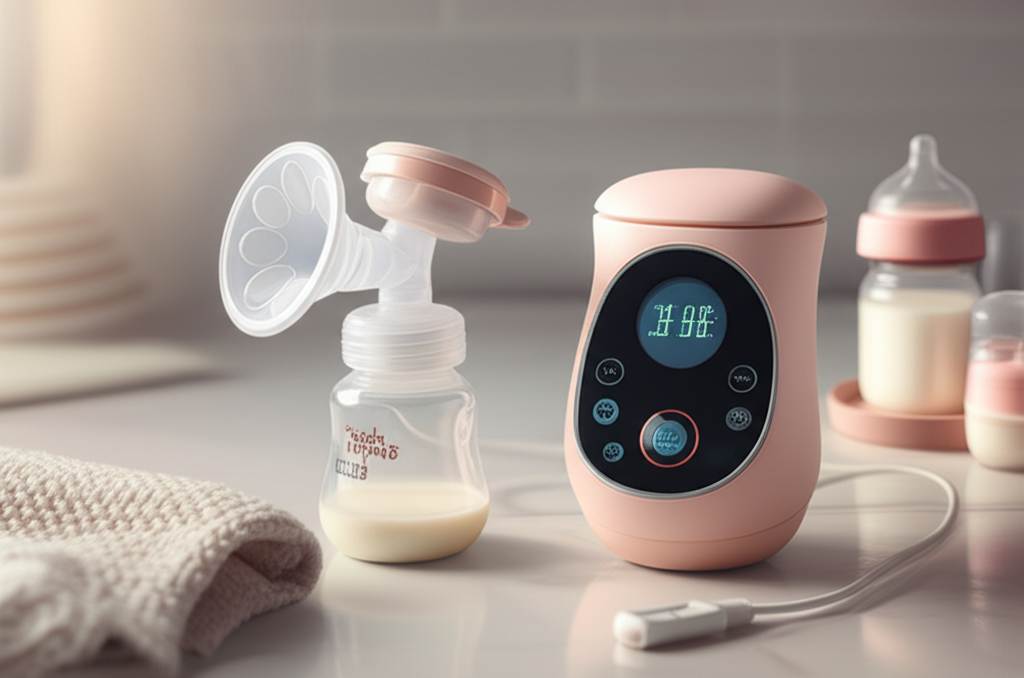
An automatic breast pump, often called a hospital-grade or electric breast pump, uses a motor to create suction for milk expression. Unlike manual pumps, it does the work for you, allowing for hands-free operation. This technology significantly speeds up the pumping process and can often collect more milk than manual methods.
How Does an Automatic Breast Pump Work?

Automatic breast pumps operate using a motor that generates a rhythmic suction pattern. This pattern mimics a baby’s natural nursing rhythm, stimulating milk flow. You simply place the breast flange over your nipple, and the pump does the rest, drawing milk into a collection bottle. Most models offer adjustable suction levels and speeds to match your comfort and milk production needs.
The Essential Benefits of Using an Automatic Breast Pump
Automatic breast pumps offer a multitude of advantages for breastfeeding mothers. They provide efficiency, comfort, and flexibility, making them a valuable tool for managing milk supply and feeding schedules. These benefits can significantly ease the transition back to work or simply provide more freedom during the day.
Time Efficiency and Convenience
The primary benefit of an automatic breast pump is its remarkable time efficiency. Because the motor handles the suction, you can pump milk significantly faster than with a manual pump. This frees up your hands, allowing you to multitask, such as checking emails, reading a book, or simply relaxing. This convenience is invaluable for mothers needing to pump regularly.
Increased Milk Yield
Many studies and user experiences suggest that automatic breast pumps can be more effective at removing milk from the breast. The consistent and often customizable suction patterns can lead to a higher milk yield per pumping session. This is particularly beneficial for mothers building or maintaining a milk stash for daycare or supplementing.
Comfort and Reduced Strain
Manual pumping can be physically demanding, leading to hand fatigue and discomfort. Automatic breast pumps eliminate this strain by using a motor. Furthermore, many models offer adjustable settings, allowing you to find the perfect suction level and speed for your comfort, reducing nipple soreness and irritation. This personalized comfort is key to a positive pumping experience.
Portability and Freedom
Modern automatic breast pumps are designed with portability in mind. Many are compact, lightweight, and battery-operated, making them easy to take to work, on trips, or anywhere you need to pump. This freedom allows mothers to maintain their breastfeeding journey without being confined to a specific location.
Types of Automatic Breast Pumps
The market offers various types of automatic breast pumps, each catering to different needs and budgets. Understanding these distinctions can help you choose the best model for your lifestyle and pumping requirements. From basic electric models to advanced wearable devices, there’s a pump for everyone.
Double Electric Breast Pumps
Double electric breast pumps allow you to pump from both breasts simultaneously. This significantly reduces pumping time and can also help stimulate milk production more effectively due to the bilateral stimulation. They are a popular choice for mothers who pump regularly, such as those returning to work.
Wearable and Hands-Free Breast Pumps
Wearable breast pumps are designed to be discreet and worn inside a bra, offering ultimate freedom. These are often battery-powered and connect wirelessly to a smartphone app for control. They are ideal for mothers who need to pump while on the go, at work, or caring for other children.
Hospital-Grade vs. Personal Electric Pumps
Hospital-grade pumps are typically more powerful and efficient, often used in medical settings for exclusive pumping or to address latch issues. Personal electric pumps are designed for home use, offering a good balance of efficiency and affordability. While hospital-grade pumps can be rented, personal electric pumps are generally purchased.
Key Features to Look for in an Automatic Breast Pump
When selecting an automatic breast pump, several features can enhance your experience and ensure you get the most out of your device. Consider these important aspects to find a pump that meets your specific needs and preferences for milk collection.
Adjustable Suction Levels and Speeds
The ability to customize suction strength and speed is crucial for comfort and effectiveness. Different mothers and different pumping sessions may require varying settings. Look for pumps with a wide range of adjustments to find what works best for you and to mimic your baby’s feeding patterns.
Flange Size Options
Breast flange size is critical for a comfortable and efficient pumping experience. An ill-fitting flange can cause pain and reduce milk output. Many automatic breast pumps come with standard sizes, but it’s important to check if other sizes are available or if they can be purchased separately to ensure a proper seal.
Power Source and Battery Life
Consider how you’ll be using the pump. If you need portability, look for models with good battery life or rechargeable options. Some pumps can be powered by AC adapter, USB, or batteries, offering flexibility for different situations. Understanding the power source will help you choose a pump that fits your lifestyle.
Noise Level
Some electric breast pumps can be quite noisy, which might be a concern if you need to pump while others are sleeping or if you prefer a quieter environment. Many newer models are designed to be significantly quieter, making them more discreet and less disruptive.
Ease of Cleaning and Assembly
Milk collection involves parts that need regular cleaning. Look for pumps with fewer parts that are easy to disassemble, wash, and reassemble. Dishwasher-safe components can be a significant time-saver and contribute to better hygiene.
Setting Up Your Automatic Breast Pump for Success
Proper setup is essential for a comfortable and efficient milk collection experience. Taking a few minutes to ensure everything is correctly assembled and adjusted will make a big difference in your pumping sessions. Follow these steps to get started.
Step-by-Step Assembly Guide
Always refer to your pump’s specific manual, but generally, assembly involves connecting the breast shield (flange) to the milk collection bottle, attaching the valve and membrane, and then connecting this assembly to the tubing. The tubing then connects to the pump motor. Ensure all parts are securely fitted to create a proper seal.
Finding the Right Fit and Position
Position the breast shield so that your nipple is centered in the tunnel. You should feel a comfortable seal around your breast, without any pulling or pinching. Lean slightly forward during pumping to allow milk to flow freely into the bottle. A proper seal is key to effective milk removal.
Understanding Pumping Cycles and Suction
Most automatic breast pumps have two phases: a faster, lighter stimulation phase to initiate milk let-down, followed by a slower, deeper expression phase. Experiment with different suction levels and speeds within these phases to find what feels most comfortable and effective for you. Start on a lower setting and gradually increase as needed.
Maximizing Milk Collection and Maintaining Supply
Using an automatic breast pump effectively involves more than just turning it on. Several strategies can help you maximize your milk output and maintain a healthy milk supply over time. These tips focus on consistency and understanding your body’s signals.
Pumping Schedule Consistency
For mothers who pump regularly, maintaining a consistent schedule is crucial for signal to your body to continue producing milk. Try to pump around the same times each day, especially if you are exclusively pumping or supplementing. Consistency helps regulate your milk supply and prevents engorgement.
The Importance of Hydration and Nutrition
Staying well-hydrated and eating a balanced diet are fundamental for milk production. Drink plenty of water throughout the day, and ensure your meals are nutritious. Some mothers find certain foods or herbal supplements can support milk supply, though it’s always best to consult with a lactation consultant.
When to Seek Professional Help
If you experience persistent pain, low milk supply, or difficulty with your breast pump, don’t hesitate to seek professional help. A lactation consultant can provide personalized guidance on pumping techniques, flange fit, and strategies to overcome any challenges you may encounter. They are an invaluable resource for breastfeeding mothers.
Troubleshooting Common Issues with Automatic Breast Pumps
Even the best automatic breast pumps can sometimes present minor issues. Knowing how to troubleshoot common problems can save you frustration and ensure your pumping sessions remain productive. Most issues are easily resolved with a few simple checks.
Low Milk Output or No Milk Flow
If you’re experiencing low milk output, first check that all parts are correctly assembled and that there are no air leaks. Ensure your flange size is correct and that you are relaxed. Sometimes, stress or fatigue can impact milk let-down, so try to create a calm environment. Pumping more frequently can also help boost supply.
Discomfort or Pain During Pumping
Pain during pumping is usually a sign of an incorrect flange fit or too high a suction setting. Ensure your nipple is centered in the flange and that the seal is comfortable. Try lowering the suction level and experimenting with different speeds. If pain persists, consult a lactation consultant.
Pump Not Working or Weak Suction
If your pump isn’t working or has weak suction, check that the battery is charged or that it’s properly plugged in. Inspect the tubing for any kinks or disconnections. Also, check the valves and membranes for damage, as these small parts can wear out and affect suction. Replacing worn parts often resolves this issue.
Automatic Breast Pumps vs. Manual Pumps: A Comparison
The choice between an automatic breast pump and a manual one often comes down to lifestyle, pumping frequency, and personal preference. Both have their place, but automatic pumps generally offer significant advantages for busy mothers.
| Feature | Automatic Breast Pump | Manual Breast Pump |
|---|---|---|
| Speed | Faster, often pumps both breasts simultaneously | Slower, one breast at a time |
| Effort | Hands-free, minimal physical effort | Requires continuous hand and arm effort |
| Milk Yield | Often higher due to efficiency and consistency | Can be effective but may be less consistent |
| Portability | Varies; some are compact, others bulkier | Very portable and discreet |
| Cost | Generally more expensive | More affordable |
For mothers who need to pump regularly, especially when returning to work or managing a busy schedule, the time-saving and efficiency benefits of an automatic breast pump are undeniable. They allow for a more sustainable and less demanding approach to milk collection.
Choosing the Right Automatic Breast Pump for You
Selecting the best automatic breast pump involves considering your individual needs and circumstances. What works perfectly for one mother might not be ideal for another. Think about your lifestyle, budget, and specific pumping goals.
Factors to Consider
Consider how often you’ll be pumping, where you’ll be pumping (at home, at work, on the go), and your budget. If you’re exclusively pumping, a more robust double electric pump might be a good investment. If you only need to pump occasionally, a simpler model might suffice. Reading reviews from other mothers can also provide valuable insights.
Budget and Insurance Coverage
Automatic breast pumps can range significantly in price. While some basic models are quite affordable, high-end wearable pumps can be a substantial investment. Check if your health insurance provider covers breast pumps, as many do, which can significantly reduce the out-of-pocket cost. Your healthcare provider can often assist with this process.
Frequently Asked Questions About Automatic Breast Pumps
Here are some common questions new mothers have about automatic breast pumps. Understanding these can help demystify the process and empower you to make informed decisions about your breastfeeding journey.
Can an automatic breast pump damage my milk supply?
No, when used correctly and with appropriate settings, an automatic breast pump is designed to help maintain or increase milk supply by efficiently removing milk. Incorrect settings or a poor fit can cause issues, but the pump itself won’t damage your supply.
How often should I use an automatic breast pump?
This depends on your breastfeeding goals. If you are exclusively pumping, aim to pump 8-12 times in 24 hours, mimicking a baby’s feeding schedule. If you are supplementing or pumping for work, pump whenever you would typically nurse your baby or as recommended by a lactation consultant.
Are all automatic breast pumps considered hospital-grade?
No, there’s a distinction. Hospital-grade pumps are typically the most powerful and durable, often used in clinical settings. Personal electric pumps, while automatic, are designed for home use and may not have the same level of power or durability as hospital-grade models.
What is the difference between a closed system and an open system pump?
A closed system pump has a barrier that prevents milk from entering the motor or tubing, making it more hygienic and suitable for multiple users (like rentals). An open system pump allows milk to potentially enter the tubing, requiring careful cleaning and making it generally recommended for single-user convenience.
How long does it take to pump a full feeding with an automatic pump?
A typical pumping session with an automatic breast pump lasts about 15-20 minutes per side, or simultaneously for double pumps. The amount of milk collected can vary greatly depending on the baby’s age, time since last feeding, and individual milk supply.
Can I use an automatic breast pump if my baby has latch issues?
Yes, automatic breast pumps are excellent tools for mothers whose babies have latch issues. They allow you to collect milk effectively, ensuring your baby receives nutrition while you work with a lactation consultant to address the latch problem.
Conclusion
An automatic breast pump is more than just a convenience; it’s an essential tool for many modern mothers navigating the complexities of feeding and life. By offering efficiency, comfort, and flexibility, these devices empower you to manage your milk supply effectively while maintaining your personal freedom. Whether you’re returning to work, building a milk stash, or simply seeking a less demanding way to collect milk, an automatic breast pump can significantly enhance your breastfeeding journey. Investing in the right pump and understanding its features will pave the way for effortless milk collection and a more balanced postpartum experience.

Belayet Hossain is a Senior Tech Expert and Certified AI Marketing Strategist. Holding an MSc in CSE (Russia) and over a decade of experience since 2011, he combines traditional systems engineering with modern AI insights. Specializing in Vibe Coding and Intelligent Marketing, Belayet provides forward-thinking analysis on software, digital trends, and SEO, helping readers navigate the rapidly evolving digital landscape. Connect with Belayet Hossain on Facebook, Twitter, Linkedin or read my complete biography.