
Published on: 02/11/2025 | Updated on: November 2, 2025
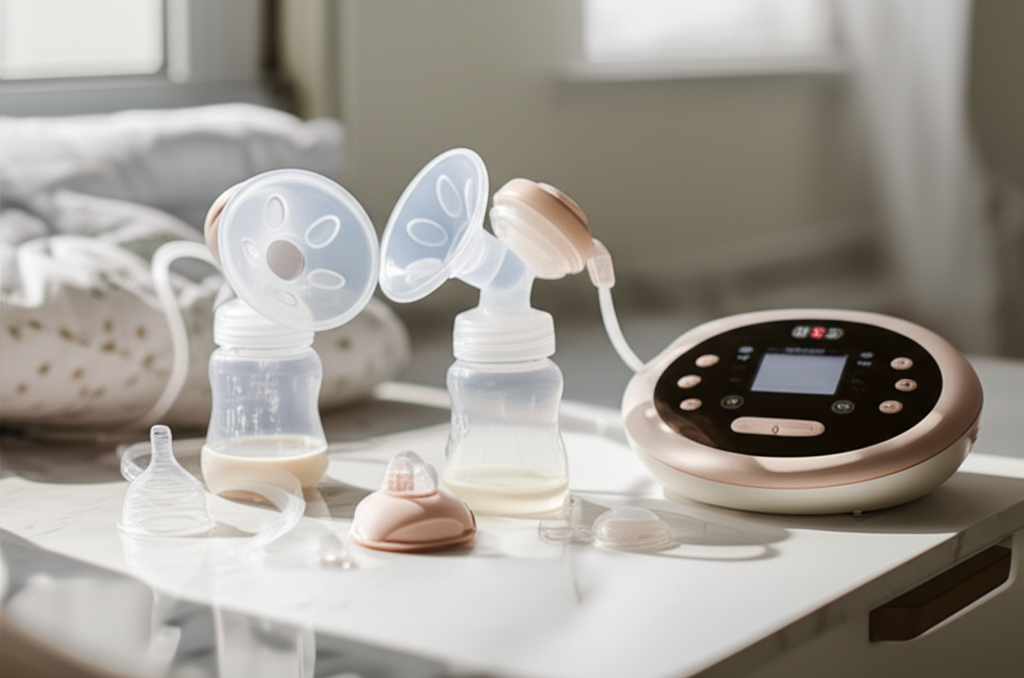
An automatic breast pump is a must-have for new mothers seeking efficient and comfortable milk expression, offering hands-free operation and adjustable settings to suit individual needs. This guide covers everything from choosing the right pump to proper usage and maintenance, ensuring a smooth breastfeeding journey.
Becoming a new mom is a beautiful, yet demanding, experience. One common challenge is efficiently and comfortably expressing milk. Many new mothers find traditional methods time-consuming or difficult to manage alongside other responsibilities. An automatic breast pump can significantly ease this burden, offering a more modern and convenient solution. This guide will walk you through everything you need to know to make an informed choice and use your pump effectively.
Why Choose an Automatic Breast Pump?
Automatic breast pumps offer unparalleled convenience for modern mothers, allowing for hands-free milk expression. They are designed to mimic a baby’s natural nursing rhythm, ensuring efficient milk removal while maintaining comfort. This technology frees up valuable time, making it easier to manage work, rest, and other personal needs.
The Benefits of Hands-Free Pumping

Hands-free operation is a game-changer for busy moms. It allows you to engage in other activities while pumping, such as working on your laptop, reading a book, or even enjoying a snack. This multitasking capability can reduce the perceived time commitment of pumping.
Mimicking Baby’s Natural Latch
Advanced automatic breast pumps use sophisticated technology to replicate the suction and release patterns of a nursing infant. This not only promotes effective milk let-down but also helps to maintain milk supply. The gentle, rhythmic action is designed to be comfortable and prevent nipple irritation.
Time Efficiency for Busy Schedules
Modern life demands flexibility. An automatic breast pump allows you to express milk on your own schedule, whether during a work break, while traveling, or simply when you need a moment of peace. This efficiency is crucial for maintaining both your milk supply and your sanity.
Choosing an automatic breast pump is about finding a tool that supports your unique breastfeeding goals and lifestyle.
Types of Automatic Breast Pumps
The market offers various automatic breast pump designs, each with distinct features to cater to different needs. Understanding these types will help you select the best fit for your personal circumstances. From hospital-grade models to compact, portable options, there’s a pump for every mother.
Double Electric Breast Pumps
These are the most common type, allowing you to pump from both breasts simultaneously. This significantly reduces pumping time and can stimulate milk production more effectively than single pumping. They typically offer adjustable suction levels and speed settings for personalized comfort.
Wearable (or All-in-One) Breast Pumps
These innovative pumps are designed to be worn discreetly inside a bra. They are typically cordless and quiet, offering maximum mobility. While often smaller and less powerful than traditional double electric pumps, their portability makes them ideal for pumping on the go.
Hybrid Breast Pumps
Some pumps combine features of different types, offering versatility. For instance, a hybrid might have a double electric pump base with options for wearable cups. This allows you to adapt your pumping experience based on your location and needs.
Each type of automatic breast pump offers unique advantages, so consider your daily routine and priorities when making a choice.
Key Features to Look For
When selecting an automatic breast pump, several features can significantly impact your experience and effectiveness. Prioritizing these elements will ensure you find a pump that meets your needs for comfort, efficiency, and ease of use. A well-chosen pump can make a world of difference in your breastfeeding journey.
Adjustable Suction Levels and Speeds
The ability to customize suction strength and speed is crucial for comfort and optimal milk removal. Different women, and even the same woman at different times, may require varying settings. Look for pumps that offer a wide range of adjustable options.
Portability and Battery Life
If you plan to pump away from home, consider the pump’s size, weight, and battery life. Many automatic pumps are rechargeable and can last for several pumping sessions on a single charge, offering freedom and flexibility. Some even come with carrying bags.
Noise Level
Some breast pumps can be quite noisy, which can be disruptive, especially if you are pumping at work or near a sleeping baby. Look for models advertised as quiet or “whisper-quiet” if noise is a concern for you.
Ease of Cleaning and Assembly
A pump with fewer parts and simple assembly is much easier to clean and maintain. Many modern pumps are dishwasher-safe, which is a significant time-saver for busy mothers. Check reviews for user feedback on cleaning convenience.
Smart Features and Connectivity
Some high-end pumps offer Bluetooth connectivity, allowing you to track pumping sessions, milk volume, and customize settings via a smartphone app. These features can provide valuable insights and convenience for some users.
Considering these features will help you narrow down your options and find an automatic breast pump that truly fits your lifestyle and preferences.
Understanding Flange Size and Fit
The correct flange size is paramount for effective and comfortable breast pumping. An improperly sized flange can lead to reduced milk output, nipple pain, and even damage. Taking the time to measure and select the right size ensures a positive pumping experience.
Why Flange Size Matters
The flange is the part of the breast pump that creates a seal around your nipple. If it’s too small, it can cause friction and pain. If it’s too large, it may not effectively draw out the nipple into the funnel, leading to inefficient pumping.
How to Measure Your Nipple Diameter
To find your correct size, measure the diameter of your nipple at its base. You can use a soft measuring tape or a ruler. Many manufacturers provide sizing guides or printable rulers on their websites.
Common Flange Sizes and How to Choose
Standard flange sizes often range from 21mm to 30mm. Most pumps come with a standard size (often 24mm), but it’s common to need a different size. It’s advisable to measure accurately and consider purchasing additional sizes if needed.
A proper flange fit is non-negotiable for comfortable and productive pumping.
Setting Up Your Automatic Breast Pump
Getting started with your automatic breast pump is straightforward, but a proper setup ensures optimal performance and hygiene. Following these steps will help you assemble and prepare your pump for its first use, making your pumping sessions efficient and stress-free.
Assembly Guide
Most automatic breast pumps consist of a motor unit, tubing, breast shields (flanges), milk collection bottles, and diaphragms/valves. Refer to your pump’s specific manual for detailed assembly instructions. Ensure all parts are clean and dry before assembly.
Priming the Pump for First Use
Before the first use, it’s essential to sterilize all parts that come into contact with breast milk. This typically involves boiling them for a set period or using a steam sterilizer. Always follow the manufacturer’s guidelines for initial cleaning and sterilization.
Connecting to Power and Initial Settings
If your pump is electric, connect it to a power source or ensure the battery is charged. Familiarize yourself with the control panel and available settings. Many pumps have a “let-down” or stimulation phase that mimics a baby’s initial sucking.
Proper setup is key to ensuring your automatic breast pump works effectively and safely from the very first use.
Mastering Pumping Techniques for Maximum Output
Effective pumping isn’t just about having the right equipment; it’s also about using it correctly. Mastering a few key techniques can significantly increase your milk output and make each pumping session more efficient. These strategies focus on comfort, stimulation, and optimizing milk flow.
Stimulation Phase (Let-Down Reflex)
Most electric pumps have a stimulation mode. This mode uses faster, lighter suction to encourage your body to release milk (the let-down reflex). Start with this mode for about two minutes or until milk begins to flow.
Pumping Phase
Once milk is flowing, switch to the expression or pumping phase. This mode typically uses slower, deeper suction. Experiment with different suction strengths and speeds to find what works best for you. The goal is to feel comfortable while efficiently emptying the breast.
Pumping Duration and Frequency
Aim to pump for about 15-20 minutes per session, or until your breasts feel empty. The frequency of pumping depends on your goals. If you are exclusively pumping, you may need to pump every 2-3 hours, similar to a newborn’s feeding schedule.
Massage and Warm Compresses
Gently massaging your breasts during pumping can help improve milk flow and ensure complete emptying. Applying a warm compress to your breasts before or during pumping can also help relax the milk ducts and encourage let-down.
Using these techniques can help you get the most out of every pumping session with your automatic breast pump.
Storing and Handling Breast Milk Safely
Proper storage and handling of expressed breast milk are crucial to preserve its nutrients and prevent contamination. Following recommended guidelines ensures that your baby receives safe and healthy milk, whether it’s for immediate feeding or later use.
Storage Guidelines
Freshly expressed breast milk can be stored at room temperature for up to 4 hours. In the refrigerator, it can last for up to 4 days, and in a standard freezer, it can be stored for up to 6 months. For longer storage, a deep freezer is recommended for up to 12 months.
Using Breast Milk Storage Bags and Bottles
Use clean, BPA-free breast milk storage bags or containers specifically designed for breast milk. Leave about an inch of space at the top of bottles or bags to allow for expansion during freezing. Label each container with the date and time of expression.
Thawing and Warming Breast Milk
To thaw frozen breast milk, transfer it to the refrigerator overnight or hold the container under warm running water. Never microwave breast milk, as it can create hot spots and destroy nutrients. Gently swirl the milk to mix any separated fat.
When to Discard Breast Milk
Discard any breast milk that has been at room temperature for more than 4 hours, has been left out after thawing, or has a sour smell or appearance. Once a bottle has been offered to your baby, it should be used within 1-2 hours and any remainder discarded.
Safe breast milk storage and handling protect your baby’s health and the quality of the milk you’ve worked hard to express.
Troubleshooting Common Pumping Issues
Even with the best automatic breast pump, you might encounter occasional issues. Understanding common problems and their solutions can help you get back to efficient pumping quickly. Don’t let minor setbacks discourage you; most issues are easily resolved.
Low Milk Output
If you notice a decrease in milk production, check your flange size, ensure a proper seal, and try different suction settings. Stress, fatigue, and dehydration can also impact supply. Ensure you are drinking enough fluids and getting adequate rest.
Nipple Pain or Discomfort
This is often a sign of an incorrect flange size or improper pump technique. Ensure your nipple moves freely within the flange and that suction is not too high. Using nipple cream can provide relief for soreness.
Pump Not Suctioning Properly
Check that all parts are correctly assembled and that there are no tears in the valves or membranes. Ensure tubing is not kinked and that the motor unit is functioning correctly. Refer to your pump’s manual for specific troubleshooting steps.
Milk Leaks
Ensure the collection bottles are securely attached and that you are not overfilling them. Check that the valve and diaphragm are properly seated to create a good seal. Pumping in a relaxed position can also help prevent leaks.
Addressing these common issues promptly will help ensure your automatic breast pump remains a reliable tool for your feeding journey.
Cleaning and Maintenance of Your Breast Pump
Proper cleaning and regular maintenance are essential for the longevity of your automatic breast pump and, more importantly, for the health of your baby. Bacteria can grow on pump parts if they are not cleaned thoroughly. Following a consistent cleaning routine is vital.
Daily Cleaning Routine
After each use, wash all parts that come into contact with breast milk in warm, soapy water. Rinse them thoroughly and allow them to air dry completely on a clean towel or drying rack. Avoid using abrasive sponges or cloths that can damage parts.
Deep Cleaning and Sterilization
It’s recommended to deep clean and sterilize pump parts at least once a day, especially for newborns or babies with weakened immune systems. This can be done by boiling parts for 5-10 minutes, using a steam sterilizer, or a microwave steam bag. Always consult your pump’s manual for specific sterilization instructions.
Checking for Wear and Tear
Regularly inspect parts like valves and membranes for signs of wear, such as thinning, warping, or tears. These parts are crucial for maintaining suction and should be replaced as recommended by the manufacturer, typically every few months.
Proper Storage of Pump Parts
Once clean and dry, store pump parts in a clean, dry place, such as a dedicated container or bag. This prevents contamination before the next use. Avoid storing wet parts, as this can encourage bacterial growth.
Consistent cleaning and maintenance will keep your automatic breast pump in optimal condition and ensure the safety of your expressed milk.
When to Seek Professional Help
While an automatic breast pump is a fantastic tool, it’s important to know when to reach out for support. Persistent pain, low milk supply, or concerns about your baby’s feeding can all be reasons to consult with a lactation professional or healthcare provider.
Signs of Latching or Milk Transfer Issues
If your baby is not gaining weight appropriately, seems unsatisfied after nursing, or if you experience persistent nipple pain, it could indicate a latch or milk transfer problem. A lactation consultant can assess your baby’s latch and feeding mechanics.
Concerns About Milk Supply
Fluctuations in milk supply can be worrying. If you are concerned about your production, a lactation consultant can help identify potential causes and provide strategies to increase or maintain your supply, including advice on pump usage and frequency.
When to Consult a Doctor
See a doctor if you develop a fever, localized redness, or swelling in your breast, which could be signs of mastitis (a breast infection). Also, consult a pediatrician if you have concerns about your baby’s overall health or feeding patterns.
Don’t hesitate to seek expert advice if you encounter significant challenges; professionals are there to support you and your baby.
Frequently Asked Questions About Automatic Breast Pumps
What is the difference between a manual and an automatic breast pump?
A manual pump requires you to operate a lever or plunger to create suction, while an automatic breast pump uses a motor to generate suction and cycling, allowing for hands-free operation. Automatic pumps are generally more efficient and convenient for regular use.
How often should I use my automatic breast pump?
This depends on your goals. If you are building supply or exclusively pumping, aim for 8-10 sessions per 24 hours. If supplementing or pumping occasionally, follow your baby’s feeding cues or your personal schedule.
Can I use my automatic breast pump if I have a low milk supply?
Yes, an automatic breast pump can be very helpful in establishing or increasing milk supply. Consistent and proper use, often combined with techniques like breast massage, can stimulate milk production.
How long does it take to pump a full feeding?
This varies greatly by individual. A typical session might last 15-20 minutes, but it can take longer or shorter depending on your let-down reflex and how effectively the pump empties your breasts.
Are wearable breast pumps as effective as traditional ones?
Wearable pumps offer incredible convenience and mobility. While some may have slightly less suction power than hospital-grade models, they are generally effective for many mothers, especially for regular, on-the-go pumping.
How do I clean my breast pump parts?
Most parts should be washed with warm, soapy water after each use and air-dried. Sterilization (boiling, steaming) is recommended daily, especially for newborns. Always refer to your specific pump’s manual for detailed instructions.
Can I share breast pump parts?
It is strongly advised against sharing breast pump parts that come into contact with milk, such as flanges, bottles, and tubing, due to the risk of transmitting infections. Personal use is recommended for hygiene and safety.
Conclusion
Navigating the world of motherhood often involves finding tools that simplify your journey, and an automatic breast pump is a prime example. This essential device offers new moms a way to efficiently express milk, maintain their supply, and gain precious time back in their day. By understanding the different types, key features, proper usage, and maintenance, you can confidently choose and utilize an automatic breast pump that perfectly suits your needs. Remember that every mother’s experience is unique, and seeking support from healthcare professionals or lactation consultants is always a wise step when needed. Embrace this technology as a supportive partner in your breastfeeding experience, allowing you to nourish your baby while also caring for yourself.

Belayet Hossain is a Senior Tech Expert and Certified AI Marketing Strategist. Holding an MSc in CSE (Russia) and over a decade of experience since 2011, he combines traditional systems engineering with modern AI insights. Specializing in Vibe Coding and Intelligent Marketing, Belayet provides forward-thinking analysis on software, digital trends, and SEO, helping readers navigate the rapidly evolving digital landscape. Connect with Belayet Hossain on Facebook, Twitter, Linkedin or read my complete biography.