
Published on: 06/09/2025 | Updated on: September 6, 2025
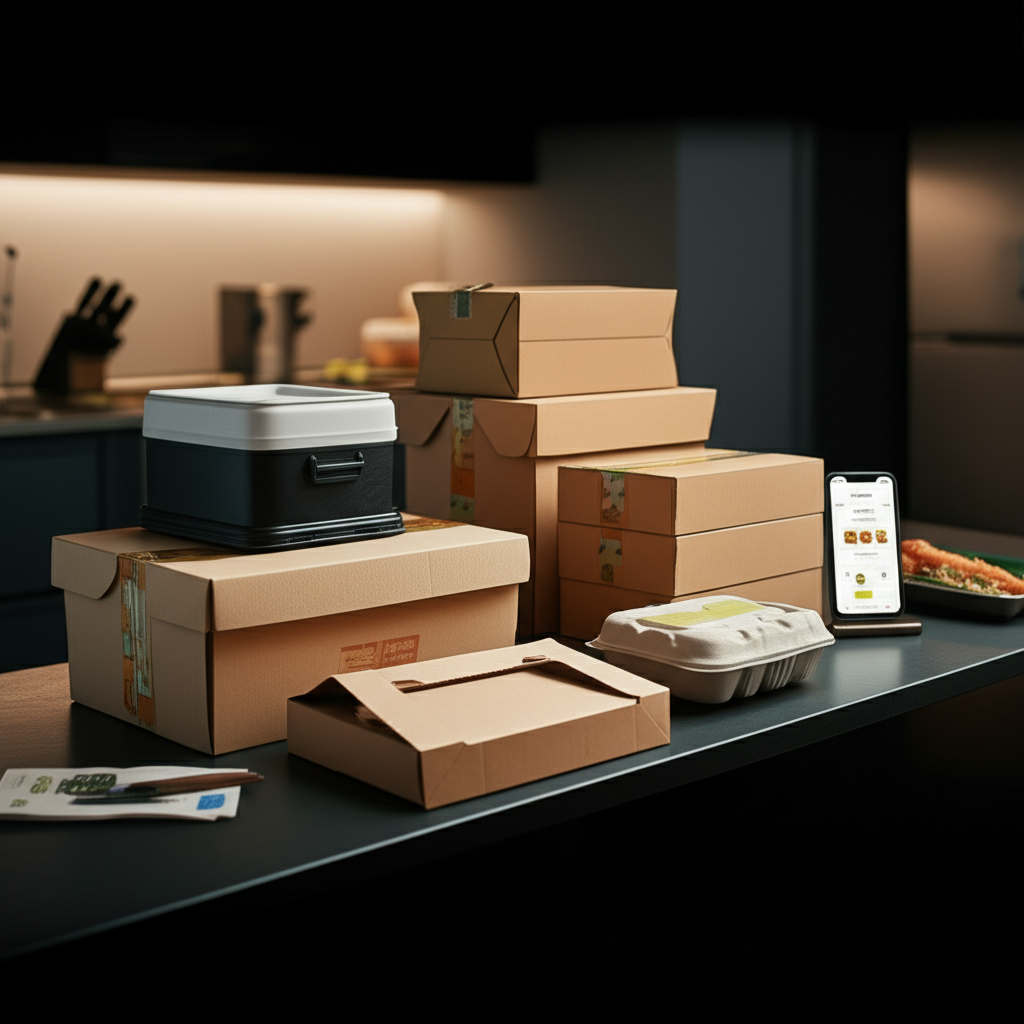
Boxes for food delivery are crucial for maintaining food quality and customer satisfaction. This guide explores essential and proven solutions, covering everything from insulated packaging to eco-friendly options, ensuring your meals arrive fresh and delicious every time.
The world of food delivery has exploded, bringing restaurant meals, meal kits, and groceries right to our doors. But have you ever wondered how that hot pizza stays hot or your delicate salad arrives crisp? The unsung hero is often the humble box, specifically designed for food delivery. Choosing the right packaging is more than just putting food in a container; it’s about preserving taste, temperature, and presentation. This article will guide you through the essential and proven solutions for boxes for food delivery, ensuring your culinary creations reach their destination in perfect condition. We’ll explore different types of boxes, their benefits, and how to select the best fit for your needs.
Why the Right Food Delivery Box Matters
The packaging for your food delivery is the first physical interaction a customer has with your brand. It’s not just a container; it’s a critical component of the delivery experience that directly impacts food quality and customer satisfaction. A well-chosen box ensures food arrives at the correct temperature, looks appealing, and maintains its intended texture. Investing in the right boxes for food delivery can significantly reduce complaints, increase repeat orders, and build a strong brand reputation.
Understanding the Anatomy of a Food Delivery Box
A great food delivery box is designed with several key features to protect its contents. These include insulation to maintain temperature, sturdy construction to prevent crushing, and effective sealing to maintain freshness and prevent leaks. Venting is also important for some items to prevent sogginess. The materials used play a vital role in sustainability and cost-effectiveness.
Temperature Control: Keeping Hot Foods Hot and Cold Foods Cold

Maintaining the ideal temperature is paramount for food safety and taste. Insulated boxes use materials like foam, air pockets, or reflective liners to create a barrier against external temperature fluctuations. For hot foods, this means preventing rapid cooling, while for cold items, it prevents them from reaching unsafe temperatures. Proper insulation is a cornerstone of effective boxes for food delivery.
Structural Integrity: Preventing Mishaps on the Move
Food delivery journeys can be bumpy. Boxes need to be robust enough to withstand the rigors of transit without collapsing or allowing contents to shift excessively. Corrugated cardboard is a popular choice due to its strength and affordability. Reinforcements and smart design can further enhance structural integrity, ensuring your meals arrive looking as good as they left.
Leak Prevention and Food Safety
Spills and leaks are a common frustration for food delivery customers. Boxes designed for food delivery often feature secure closures, reinforced seams, and sometimes even internal dividers or trays. These features help contain any liquids and prevent cross-contamination, ensuring a clean and safe delivery. Food safety is non-negotiable, and packaging plays a crucial role in upholding it.
Types of Boxes for Food Delivery: A Comprehensive Look
The variety of boxes for food delivery available today caters to every type of food and delivery need. From simple paper bags to sophisticated insulated containers, understanding the options is key to making informed choices. Each type offers unique advantages for specific applications, helping businesses optimize their delivery operations.
Corrugated Cardboard Boxes: The Versatile Workhorse
Corrugated cardboard boxes are perhaps the most common type of packaging for food delivery. They are durable, relatively inexpensive, and can be easily customized with branding. Their strength makes them suitable for a wide range of items, from pizzas and burgers to larger meal kits.
Pros: Strong, cost-effective, customizable, recyclable.
Cons: Can absorb moisture and lose integrity if not protected, may require additional insulation for extreme temperatures.
These boxes are a reliable choice for many businesses due to their balance of performance and price. They form the backbone of countless successful food delivery operations.
Insulated Food Delivery Bags and Boxes: The Temperature Masters
For businesses where temperature control is critical, insulated bags and boxes are essential. These are designed with layers of insulating material, such as foam or reflective surfaces, to maintain food at its intended temperature for extended periods. They are perfect for keeping hot meals steamy or cold desserts chilled.
Pros: Excellent temperature retention, protects food quality, reduces food waste.
Cons: Can be more expensive than standard boxes, may add bulk and weight to deliveries.
Investing in quality insulated options is a direct investment in customer satisfaction and food integrity. Many services now offer reusable insulated bags for regular customers.
Paper and Kraft Boxes: Eco-Friendly and Stylish
For a more sustainable and often more aesthetically pleasing option, paper and kraft boxes are gaining popularity. Made from renewable resources, they are biodegradable and compostable. Many come with grease-resistant linings to handle oily foods.
Pros: Eco-friendly, biodegradable, compostable, often aesthetically pleasing.
Cons: Less durable than cardboard, may not offer sufficient insulation, can be pricier for specialized options.
These boxes align with growing consumer demand for sustainable packaging solutions. They offer a premium feel while minimizing environmental impact.
Custom-Designed Boxes: Branding and Functionality United
For businesses looking to make a statement, custom-designed boxes offer the ultimate solution. These can be tailored in shape, size, and printing to perfectly match a brand’s identity and specific product needs. They can incorporate unique features for better food protection and presentation.
Pros: Enhanced brand visibility, unique functionality, optimized for specific products, creates a memorable unboxing experience.
Cons: Higher initial design and production costs, longer lead times for manufacturing.
Custom boxes transform simple delivery packaging into a powerful marketing tool. They allow for precise engineering to solve specific delivery challenges.
Specialty Boxes: For Pizzas, Pastries, and More
Specific food items often benefit from specially designed boxes. Pizza boxes, for instance, are typically wide and flat with a hinged lid and vents to prevent steam buildup. Pastry boxes might have compartments or inserts to keep delicate items separate and intact.
Pros: Optimized for specific food types, preserves shape and texture of delicate items, enhances presentation.
Cons: Limited versatility for other food items, may require stocking multiple specialized types.
Using the right specialty box ensures that delicate or uniquely shaped foods arrive in perfect condition. These cater to the nuances of different culinary offerings.
Key Features to Look For in Food Delivery Boxes
When selecting boxes for food delivery, several features deserve your attention to ensure optimal performance. Beyond the basic material, consider how the box will function in real-world delivery scenarios. These details can make a significant difference in the customer experience.
Ventilation: The Secret to Preventing Soggy Meals
Some foods, especially fried items or hot pastries, release steam. Without proper ventilation, this steam can condense inside the box, making food soggy. Look for boxes with strategically placed vents or designs that allow for some airflow. However, excessive ventilation can also lead to temperature loss, so a balance is often required.
Secure Closures and Tamper-Evident Seals
A secure closure prevents the box from accidentally opening during transit. Many businesses also opt for tamper-evident seals, which provide an extra layer of security and assurance for the customer. These seals break if the box has been opened, ensuring the food’s integrity.
Ease of Assembly and Storage
For businesses handling a high volume of deliveries, how easy the boxes are to assemble and store is crucial. Flat-packed boxes are space-efficient and can be quickly folded into shape by delivery staff or kitchen teams. This efficiency translates directly into faster order fulfillment.
Material Durability and Resistance
Consider the durability of the material against grease, moisture, and tears. Food-grade materials are essential for safety. For hot foods, heat resistance is also a factor. For cold items, resistance to condensation is important.
Stackability and Nesting
The ability for boxes to stack securely without crushing items below is vital for efficient transport, especially for multiple orders. Nesting designs can save storage space when boxes are not in use. This optimizes space in delivery vehicles and on kitchen shelves.
Eco-Friendly Considerations for Boxes for Food Delivery
Sustainability is no longer a niche concern; it’s a driving force in consumer choices. Businesses are increasingly looking for boxes for food delivery that minimize environmental impact. This includes using recyclable, compostable, or biodegradable materials.
Recyclable Materials: Closing the Loop
Cardboard and certain types of plastic can be widely recycled. Choosing boxes made from high-recycled content and that are easily recyclable in most municipal systems is a responsible choice. Look for clear recycling symbols on the packaging.
Compostable and Biodegradable Options: Nature’s Way
Compostable materials break down into organic matter under specific composting conditions, while biodegradable materials naturally decompose over time. These are excellent choices for reducing landfill waste. However, it’s important to ensure your customers have access to composting facilities if you choose this route.
Reducing Packaging Waste: Less is More
The most eco-friendly approach is often to minimize the amount of packaging used. This can involve using appropriately sized boxes, avoiding unnecessary inserts, and opting for multi-functional packaging designs. Smart design can reduce material usage without compromising protection.
Choosing the Right Boxes for Your Specific Food Delivery Needs
The “best” box for food delivery isn’t a one-size-fits-all answer. It depends heavily on the type of food you’re delivering, your budget, and your brand values. Here’s a breakdown to help you decide.
For Restaurants: Maintaining Quality and Brand Image
Restaurants need boxes that keep food hot, prevent spills, and reinforce their brand. Insulated cardboard boxes with custom printing are often ideal. For delicate items like pastries or desserts, specialized inserts or containers within the main box might be necessary.
For Meal Kit Services: Freshness and Organization
Meal kits require boxes that can maintain the freshness of individual ingredients and keep everything organized. This often means using sturdy, insulated boxes with internal compartments or dividers. Ice packs are frequently included to ensure perishables stay cold during transit.
For Grocery Delivery: Durability and Versatility
Grocery delivery demands robust packaging that can handle a variety of items, from heavy cans to fragile eggs. Insulated bags and sturdy cardboard boxes are common. For frozen goods, specialized frozen shipping boxes with ample insulation are a must.
For Catering and Large Orders: Stacking and Security
Catering often involves larger quantities and longer transit times. Boxes need to be exceptionally sturdy, stackable, and secure. Insulated catering containers and large, reinforced cardboard boxes are frequently used to maintain temperature and prevent damage.
Innovations in Food Delivery Packaging
The world of packaging is constantly evolving, driven by the need for better performance, sustainability, and customer experience. Here are some exciting innovations in boxes for food delivery.
Smart Packaging: Beyond Basic Protection
Emerging technologies include smart packaging with sensors that can monitor temperature or indicate if a package has been opened. Some packaging can even change color to signal spoilage. These advancements offer greater transparency and food safety.
Edible Packaging: A Truly Sustainable Frontier
While still in its early stages, edible packaging made from materials like seaweed or plant-based starches offers a radical approach to waste reduction. Imagine your food container being part of your meal! This is a fascinating area to watch.
Modular and Customizable Systems
Packaging systems that are modular and easily customizable allow businesses to adapt their boxes for different order sizes and types. This flexibility reduces waste and ensures a perfect fit for every delivery.
Where to Source Quality Boxes for Food Delivery
Finding reliable suppliers for your boxes for food delivery is crucial for maintaining consistent quality and managing costs. Several types of vendors can meet these needs.
Specialty Packaging Suppliers
Companies that specialize in food packaging often offer a wide range of options, from standard to highly customized solutions. They understand the unique requirements of the food industry and can provide expert advice. Many offer online catalogs and bulk discounts.
Online Retailers and Marketplaces
Platforms like Amazon, Alibaba, and specialized B2B e-commerce sites offer a vast selection of packaging products. These can be convenient for smaller businesses or for trying out different types of boxes. Always check reviews and product specifications carefully.
Direct from Manufacturers
For large-volume orders, sourcing directly from manufacturers can offer the best pricing and the most control over customization. This route requires more upfront investment and planning but can yield significant cost savings.
Cost-Effectiveness and Budgeting for Food Delivery Boxes
The cost of packaging is an important consideration for any food delivery business. While it’s tempting to opt for the cheapest option, the long-term costs of poor packaging—like unhappy customers and returned orders—can be far greater.
Balancing Cost and Quality
It’s essential to find a balance between the cost of boxes for food delivery and the quality they provide. A slightly more expensive, well-designed box can prevent costly issues down the line. Consider the price per unit versus the potential loss from damaged or temperature-compromised food.
Bulk Purchasing and Discounts
Many suppliers offer significant discounts for bulk purchases. If you have predictable order volumes, investing in a larger stock of your chosen packaging can lead to substantial savings.
Hidden Costs to Consider
Don’t forget potential hidden costs such as shipping fees for the packaging itself, custom printing setup fees, and the cost of additional inserts or insulation materials. Factor these into your overall budget.
FAQ: Your Burning Questions About Food Delivery Boxes Answered
What is the best type of box for hot food delivery?
For hot food, insulated cardboard boxes or high-quality insulated bags are generally best. They retain heat effectively, ensuring food arrives warm and appetizing. Look for boxes with good insulation properties and secure closures.
Are paper boxes suitable for greasy foods?
Many paper and kraft boxes are lined with grease-resistant materials, making them suitable for moderately greasy foods. However, for very oily items, it’s wise to test a sample or opt for a box with a more robust lining.
How do I choose the right size box for my delivery?
Measure your typical food items or meals. Choose a box that allows for a snug fit without crushing the food, leaving just enough room for minimal shifting. Avoid boxes that are too large, as this can lead to food moving around and potential damage.
What are the environmental benefits of using sustainable boxes for food delivery?
Sustainable boxes, made from recycled, compostable, or biodegradable materials, reduce landfill waste, conserve natural resources, and lower a business’s carbon footprint. They also appeal to environmentally conscious consumers.
Can I reuse food delivery boxes?
While some insulated bags are designed for reuse, single-use boxes are generally not recommended for reuse due to hygiene concerns and potential loss of structural integrity. Always prioritize food safety.
How important is branding on food delivery boxes?
Branding is very important as it’s a key touchpoint for customer experience. Well-branded boxes reinforce your business identity, create a professional impression, and can enhance customer loyalty.
What is tamper-evident packaging?
Tamper-evident packaging features seals or closures that clearly indicate if the package has been opened or tampered with, providing assurance to the customer that their food is safe and has not been compromised.
Conclusion: Delivering Excellence with the Right Boxes
Choosing the right boxes for food delivery is a critical step in ensuring customer satisfaction and maintaining the quality of your offerings. From the sturdy reliability of corrugated cardboard to the eco-conscious appeal of kraft paper, and the temperature-defying power of insulated containers, there’s a solution for every need. By carefully considering factors like temperature control, structural integrity, sustainability, and cost, you can select packaging that not only protects your food but also enhances your brand image. Don’t underestimate the power of well-chosen boxes; they are the silent ambassadors of your culinary creations, ensuring every delivery is a success.

Belayet Hossain is a Senior Tech Expert and Certified AI Marketing Strategist. Holding an MSc in CSE (Russia) and over a decade of experience since 2011, he combines traditional systems engineering with modern AI insights. Specializing in Vibe Coding and Intelligent Marketing, Belayet provides forward-thinking analysis on software, digital trends, and SEO, helping readers navigate the rapidly evolving digital landscape. Connect with Belayet Hossain on Facebook, Twitter, Linkedin or read my complete biography.