


Published on: 30/10/2025 | Updated on: October 30, 2025
Course iPhone Repair: Essential Skills, Proven Results
Mastering iPhone repair through a dedicated course equips you with crucial skills for diagnosing and fixing common device issues, leading to proven, satisfying results and potential career opportunities.
The cracked screen, the unresponsive button, the battery that dies too fast – these are common frustrations for iPhone users everywhere. It’s easy to feel helpless when your beloved device malfunctions, often leading to expensive trips to the repair shop or even the pressure to buy a new phone. But what if you could fix it yourself? Learning iPhone repair is more accessible than you might think. This guide will walk you through the essential skills you’ll gain from a good course, the proven results you can expect, and how to get started on this rewarding path.
Why Learn iPhone Repair? The Growing Need
The sheer number of iPhones in use worldwide means a constant demand for repair services. Apple devices are known for their durability, but accidents happen, and components wear out over time. Understanding how to fix these issues not only saves you money but also offers a valuable skill set in a booming market. Many people consider their iPhone an essential tool for work, communication, and entertainment, making prompt and reliable repairs crucial.
This section explores the widespread reliance on iPhones and the resulting need for skilled repair technicians. It highlights how learning these skills can empower individuals and address a significant market demand.
Essential Skills You’ll Acquire in a Course
A comprehensive iPhone repair course goes beyond just swapping parts. It teaches you diagnostic techniques, tool proficiency, and an understanding of the internal components. You’ll learn how to safely disassemble and reassemble iPhones, identify specific problems, and implement effective solutions. This hands-on training builds confidence and competence.
Understanding iPhone Components: A Deep Dive
Before you can fix an iPhone, you need to know its anatomy. Courses typically start with an in-depth look at each component. This includes understanding the intricate logic board, the sensitive display assembly, the battery, cameras, speakers, and charging ports. Learning their functions and how they interact is key to accurate diagnosis.
The Logic Board: The iPhone’s Brain

The logic board is the central hub, connecting all other components. It contains the main processor, memory, and other crucial chips. Issues here can be complex, often requiring advanced soldering skills and specialized diagnostic tools. Understanding its architecture is fundamental for tackling more challenging repairs.
Display Assemblies: More Than Just Glass
Modern iPhone displays are sophisticated units, combining the touch-sensitive digitizer, the vibrant OLED or LCD panel, and often the front-facing camera and sensors. A good course will teach you how to differentiate between digitizer failures and display failures, and how to replace these units safely.
Battery Health and Replacement
iPhone batteries degrade over time, affecting performance and usability. You’ll learn how to accurately assess battery health, understand the safety precautions for lithium-ion batteries, and perform replacements efficiently. This is one of the most common repairs requested by users.
Diagnostic Techniques: Finding the Root Cause
Effective repair starts with accurate diagnosis. Courses teach you systematic troubleshooting methods. This involves observing symptoms, performing tests, and using specialized diagnostic software or hardware to pinpoint the exact problem. Ruling out software issues before assuming a hardware fault is a crucial first step.
Software vs. Hardware: The First Question
Many seemingly hardware-related problems can actually be software glitches. A good course emphasizes starting with software checks, like force restarting the device, updating iOS, or performing a factory reset. This saves time and avoids unnecessary hardware interventions.
Using Diagnostic Tools Effectively
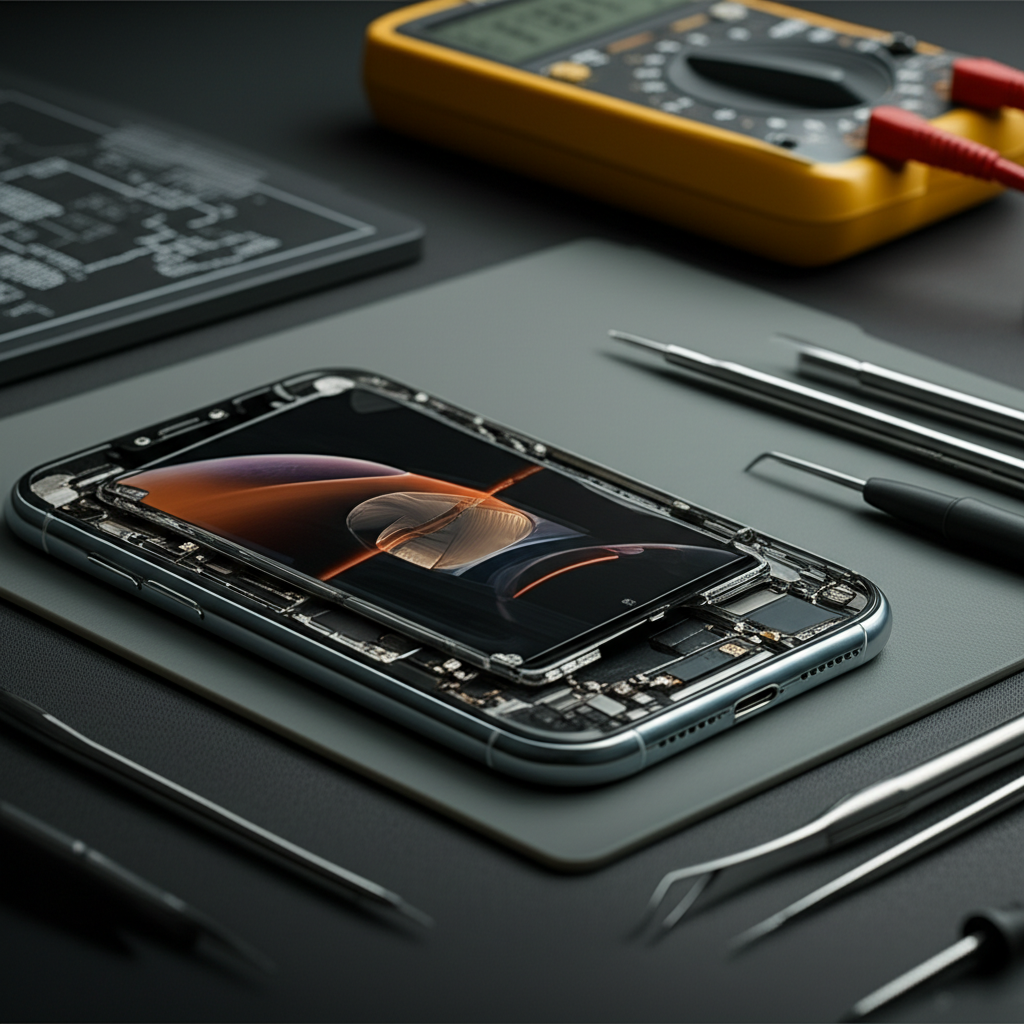
From multimeters to logic board testers, various tools aid in diagnosis. You’ll learn how to use these instruments correctly to check for shorts, voltage issues, and connectivity problems. This knowledge is vital for identifying faults that aren’t immediately visible.
Essential Tools for iPhone Repair
To perform repairs safely and effectively, you need the right tools. A beginner’s toolkit typically includes specialized screwdrivers, prying tools, suction cups, and anti-static equipment. Advanced courses might introduce micro-soldering equipment and more sophisticated diagnostic devices.
The Basic Toolkit Essentials
Pentalobe Screwdriver: For the unique screws on the bottom of iPhones.
Phillips Head Screwdrivers: Various sizes for internal screws.
Spudgers and Opening Picks: For safely prying open the device and separating components.
Suction Cup: To lift the screen without damaging it.
Tweezers: For handling tiny screws and connectors.
Anti-Static Wrist Strap: To prevent electrostatic discharge damage.
Advanced Tools for Complex Repairs
For those looking to tackle logic board repairs, skills in micro-soldering become paramount. This involves using specialized soldering irons, hot air rework stations, and microscopes to repair or replace tiny components on the logic board. These techniques are often covered in advanced courses.
Step-by-Step Repair Procedures
A core part of any course is learning the precise, step-by-step procedures for common repairs. This includes detailed instructions for screen replacements, battery swaps, camera module changes, and charging port repairs. Following these steps meticulously ensures a successful repair and prevents further damage.
Screen Replacement: A Common First Repair
Replacing a cracked iPhone screen is often the first repair taught. It involves carefully removing the old screen, disconnecting the relevant cables, transferring components like the earpiece speaker and front camera, and installing the new screen. Precision is key to avoid damaging delicate flex cables.
Battery Replacement: Extending Device Life
Learning to replace an iPhone battery involves understanding how to safely access it, often requiring the removal of adhesive strips. Proper handling of the old battery and correct installation of the new one are critical for both safety and functionality.
Other Common Repairs
Courses also cover replacing components like the rear camera, front camera, speaker modules, and charging ports. Each repair has its own set of steps and potential pitfalls that a good course will thoroughly explain.
Sourcing Quality Parts: Where to Find What You Need
The quality of replacement parts significantly impacts the success of a repair. A reputable iPhone repair course will guide you on how to identify and source high-quality parts. This often involves understanding different grades of parts and knowing trusted suppliers. Using substandard parts can lead to premature failure and customer dissatisfaction.
Proven Results: What You Can Achieve
After completing a course, you’ll have the skills to perform a wide range of iPhone repairs. This means you can fix your own devices, help friends and family, or even start your own repair business. The satisfaction of successfully diagnosing and repairing a complex issue is immense.
Saving Money and Reducing Waste
By repairing instead of replacing, you save significant money. Furthermore, you contribute to reducing electronic waste, a growing environmental concern. Extending the life of a device is a sustainable practice.
Career Opportunities in Tech Repair
The demand for skilled mobile device technicians is strong. Completing a recognized course can open doors to employment in repair shops, electronics retailers, or even allow you to start your own independent repair service. Many businesses specifically seek individuals with certified training.
Choosing the Right iPhone Repair Course
Not all courses are created equal. When selecting a course, consider the curriculum, the instructor’s experience, hands-on training opportunities, and any certifications offered. Look for courses that cover a broad range of iPhone models and repair types. Online courses offer flexibility, while in-person training provides direct, supervised practice.
Key Features to Look For:
Comprehensive Curriculum: Covers various iPhone models and repair types.
Hands-On Practice: Sufficient time for practical application.
Experienced Instructors: Technicians with real-world repair experience.
Certification: A recognized certification adds credibility.
* Up-to-Date Content: Covers the latest iPhone models and repair techniques.
Frequently Asked Questions About iPhone Repair Courses
What is the most common iPhone repair?
The most frequent iPhone repairs are cracked screen replacements and battery replacements. These components are most susceptible to wear and tear or accidental damage from daily use.
Do I need prior technical experience to take a course?
No, most beginner-level iPhone repair courses are designed for individuals with no prior technical experience. They start with the basics and build up your knowledge and skills step-by-step.
How long does an iPhone repair course typically last?
Course durations vary widely. Some intensive in-person courses might last a few days, while more comprehensive online programs could span several weeks or months, allowing for more in-depth learning.
Are the parts used in courses high quality?
Reputable courses prioritize using high-quality replacement parts for training. They also teach you how to identify and source reliable parts for your own repairs.
Can I make a career out of iPhone repair after taking a course?
Absolutely. With the right training and skills, you can pursue a career as a mobile device repair technician, work for a repair shop, or even start your own business. The demand for these services is consistently high.
Conclusion: Your Path to iPhone Repair Mastery
Embarking on a course iPhone repair journey equips you with invaluable skills and offers tangible, proven results. From understanding the intricate anatomy of an iPhone to mastering diagnostic techniques and performing precise repairs, the knowledge gained is both practical and empowering. Whether you aim to save money on your own device repairs, help others, or launch a new career, a well-chosen course provides the essential foundation. The world of technology is constantly evolving, and the ability to maintain and repair these essential devices is a skill that will remain in demand. Take the step today to become proficient in iPhone repair.

Belayet Hossain is a Senior Tech Expert and Certified AI Marketing Strategist. Holding an MSc in CSE (Russia) and over a decade of experience since 2011, he combines traditional systems engineering with modern AI insights. Specializing in Vibe Coding and Intelligent Marketing, Belayet provides forward-thinking analysis on software, digital trends, and SEO, helping readers navigate the rapidly evolving digital landscape. Connect with Belayet Hossain on Facebook, Twitter, Linkedin or read my complete biography.