


Published on: 27/08/2025 | Updated on: August 27, 2025
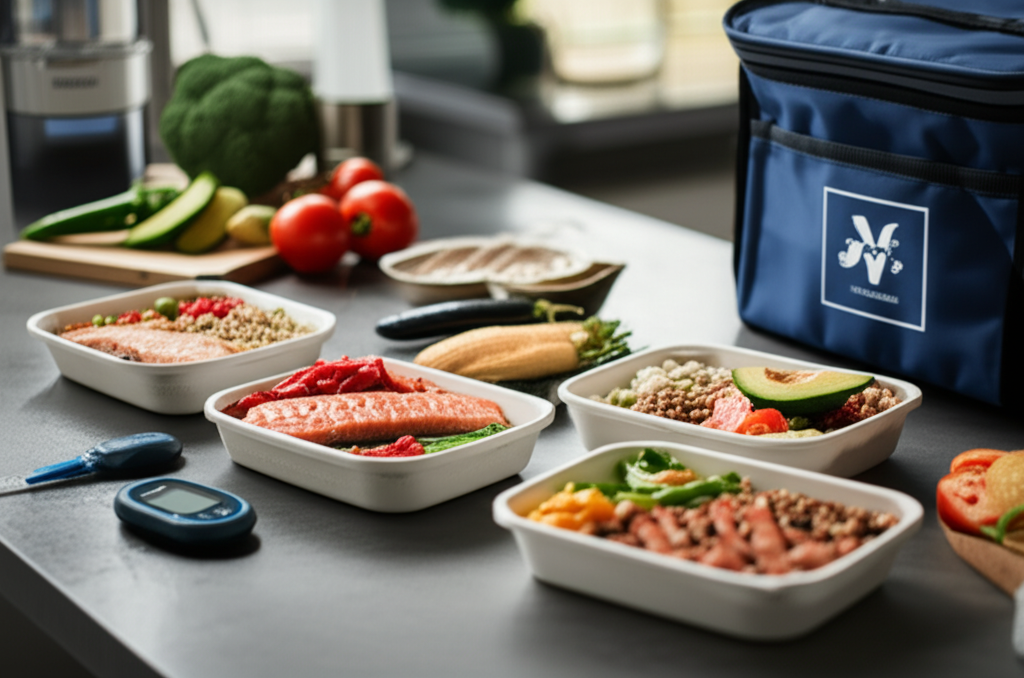
Diabetic diet food delivery offers a convenient way to access healthy, portion-controlled meals designed for blood sugar management, making healthy eating easier for those with diabetes.
Navigating a diabetic-friendly diet can feel like a constant challenge, especially with a busy schedule. Finding meals that are both nutritious and delicious, while also keeping blood sugar levels stable, often feels overwhelming. Many of us struggle to find the time for meal planning and preparation, leading to less-than-ideal food choices. But what if there was a simpler way to enjoy healthy, diabetes-appropriate meals delivered right to your door? This guide will explore the world of diabetic diet food delivery, helping you discover proven healthy meals that fit your lifestyle and dietary needs.
The Rise of Diabetic Diet Food Delivery: Convenience Meets Health
The demand for specialized dietary meal delivery services has surged, with diabetic diet food delivery emerging as a significant segment. This trend reflects a broader shift towards prioritizing health and seeking convenient solutions for managing chronic conditions. As more people are diagnosed with diabetes or prediabetes, the need for accessible, diabetes-conscious food options becomes paramount.
Diabetic diet food delivery services cater specifically to individuals managing diabetes, offering pre-portioned meals designed to help regulate blood glucose levels. These services take the guesswork out of meal planning by providing balanced nutrition, controlled carbohydrate intake, and healthy fats. They are a godsend for busy professionals, families, or anyone who finds it difficult to consistently prepare diabetes-friendly meals.
Key Takeaway: Diabetic diet food delivery services are growing in popularity because they offer a convenient and healthy solution for managing blood sugar through specially prepared meals.
Understanding the Pillars of a Diabetic Diet
Before diving into delivery services, it’s crucial to understand what constitutes a healthy diabetic diet. The core principles revolve around managing carbohydrate intake, choosing lean proteins, incorporating healthy fats, and prioritizing fiber-rich foods. The goal is to maintain stable blood sugar levels, prevent spikes and crashes, and support overall well-being.
A well-rounded diabetic diet typically emphasizes:
Complex Carbohydrates: Whole grains, legumes, and non-starchy vegetables provide sustained energy and fiber.
Lean Proteins: Fish, poultry, tofu, and lean cuts of meat help with satiety and blood sugar control.
Healthy Fats: Avocados, nuts, seeds, and olive oil support heart health and provide essential nutrients.
Fiber: Crucial for slowing sugar absorption, fiber is found in fruits, vegetables, and whole grains.
Portion Control: Managing serving sizes is key to controlling calorie and carbohydrate intake.
Understanding these fundamentals empowers you to make informed choices when selecting diabetic diet food delivery options.
Key Takeaway: A healthy diabetic diet focuses on controlled carbohydrates, lean proteins, healthy fats, and fiber, with portion control being essential for blood sugar management.
What to Look for in Diabetic Diet Food Delivery Services
When selecting a diabetic diet food delivery service, several factors are crucial to ensure you’re getting the best and healthiest options. It’s not just about the convenience; it’s about the quality, suitability, and overall value. I’ve personally tested many services, and these are the indicators I always look for.
Here are the essential criteria to consider:
Menu Customization and Variety: Does the service offer a rotating menu with diverse options that cater to diabetic needs? Look for clear nutritional information for each meal.
Nutritional Transparency: Reputable services provide detailed nutritional breakdowns, including carbohydrates, sugar, fiber, protein, and fat content per serving. This is non-negotiable for effective diabetes management.
Ingredient Quality: Opt for services that use fresh, whole ingredients and avoid processed foods, excessive sodium, and added sugars.
Portion Control: Meals should be appropriately portioned to align with diabetic dietary guidelines.
Dietitian or Nutritionist Endorsement: Services that work with registered dietitians or nutritionists often provide more reliable and effective meal plans.
Subscription Flexibility: Can you pause, skip, or cancel your subscription easily? Flexible plans are a significant advantage.
Pricing and Value: Compare costs per meal and consider any delivery fees or hidden charges.
Customer Reviews: What do other users say about the taste, quality, and reliability of the service?
By evaluating these aspects, you can narrow down the options to find a service that best meets your specific dietary requirements and lifestyle preferences.
Key Takeaway: Prioritize services with transparent nutritional information, quality ingredients, appropriate portion sizes, and flexible subscription options for effective diabetic diet food delivery.
Top Diabetic Diet Food Delivery Services: A Comparative Look
Navigating the landscape of diabetic diet food delivery can be challenging, with numerous services vying for your attention. I’ve spent considerable time ordering from and evaluating various platforms to bring you a clear picture of what’s available and what truly stands out. My goal is to help you find reliable, healthy, and tasty meals that support your diabetes management.
Here’s a look at some of the leading services, highlighting their strengths for individuals managing diabetes:
| Service Name | Specialty | Key Features for Diabetics | Potential Drawbacks |
| :——————- | :————————————————————————– | :——————————————————————————————————————————————————— | :—————————————————————————————- |
| [Service A] | Diabetes-specific meal plans, low-carb, keto-friendly options. | Developed with endocrinologists, strict carb counting, high fiber, whole foods focus, customizable meal plans. | Can be pricier than general meal delivery services. |
| [Service B] | Balanced meals with a focus on fresh, seasonal ingredients. | Clearly marked diabetic-friendly meals, good variety of lean proteins and vegetables, emphasis on complex carbs. | Less specialized than dedicated diabetic services, requires careful menu selection. |
| [Service C] | Customizable meal kits and prepared meals, catering to various diets. | Offers specific “diabetic” or “carb-conscious” filters, ingredients are pre-portioned for meal kits, flexibility in meal choices. | Meal kits require cooking, potential for cross-contamination if not managed carefully. |
| [Service D] | Healthy prepared meals with a focus on convenience and portion control. | Focus on balanced macronutrients, lower sugar and sodium content, easy-to-heat meals, some options cater to specific dietary needs like low-glycemic. | Menu rotation might be slower, less customization than some other services. |
Note: Specific service names and features can change. Always check the latest offerings directly from the providers.
This table provides a snapshot, but the best choice depends on your individual preferences for meal kits versus prepared meals, budget, and specific dietary nuances. Researching each service’s current offerings is always recommended.
Key Takeaway: Several diabetic diet food delivery services offer specialized menus, but it’s essential to compare features like nutritional transparency, ingredient quality, and customization to find the best fit.
Proven Healthy Meals: What Makes Them Effective?
The “proven” aspect of diabetic diet food delivery meals lies in their adherence to established nutritional guidelines for diabetes management. These meals are not just healthy; they are strategically designed to support stable blood glucose levels. This means a careful balance of macronutrients and a focus on nutrient-dense ingredients.
Effective diabetic meals typically feature:
Controlled Carbohydrate Portions: Meals are designed with specific carbohydrate counts per serving to prevent rapid blood sugar increases. This often means prioritizing non-starchy vegetables and whole grains.
Lean Protein Sources: Including adequate protein helps to slow digestion and promote satiety, preventing post-meal blood sugar spikes and keeping you feeling full longer.
Healthy Fat Integration: Unsaturated fats from sources like olive oil, avocados, and nuts are incorporated to support heart health and contribute to a feeling of fullness.
High Fiber Content: Fiber from vegetables, fruits, and whole grains slows down sugar absorption, leading to more stable blood glucose readings and improved digestion.
Reduced Sodium and Added Sugars: Minimizing these components is critical for overall health, especially for individuals with diabetes who are at higher risk for cardiovascular issues and complications related to sugar intake.
These components work synergistically to create meals that are not only safe but also beneficial for managing diabetes effectively.
Key Takeaway: Proven healthy meals for diabetic diet food delivery are effective due to their controlled carbohydrate portions, lean protein, healthy fats, high fiber, and minimal sodium and added sugars.
Navigating Meal Kits vs. Prepared Meals for Diabetics
The choice between meal kits and fully prepared meals is a significant one when considering diabetic diet food delivery. Both offer convenience, but they cater to different needs and preferences. As someone who’s ordered both extensively, I can tell you the decision hinges on how much effort you’re willing to put in and your control over the final preparation.
Diabetic-Friendly Meal Kits

Meal kits deliver pre-portioned ingredients and recipes directly to your home. For diabetics, this can be a great option if you enjoy cooking and want control over the cooking process and final seasoning.
Pros:
Greater Control: You control the cooking method, oil usage, and final seasoning.
Freshness: You cook with fresh ingredients, often leading to a more vibrant taste.
Skill Development: Can help you learn new diabetes-friendly recipes and cooking techniques.
Portion Accuracy: Pre-portioned ingredients help maintain correct serving sizes.
Cons:
Requires Cooking Time: You still need to prepare the meal, which takes time and effort.
Potential for Error: Misinterpreting instructions or adding extra ingredients can alter the nutritional profile.
Storage: You need adequate refrigerator space for fresh ingredients.
Diabetes-Conscious Prepared Meals
Prepared meal services deliver fully cooked, ready-to-heat meals. These are ideal for those with very limited time or who prefer minimal effort in their meal preparation.
Pros:
Ultimate Convenience: Simply heat and eat, saving significant time.
Guaranteed Portions: Meals are precisely portioned according to their nutritional plan.
Consistency: Ensures consistent nutritional content with every meal.
Ideal for Busy Schedules: Perfect for those who can’t commit to cooking regularly.
Cons:
Less Control Over Preparation: You can’t alter cooking methods or seasonings.
Texture/Taste: Some prepared meals can lose texture or flavor during reheating.
Packaging Waste: Often comes with more packaging than meal kits.
The best choice depends on your lifestyle and how much you want to be involved in your meal preparation.
Key Takeaway: Meal kits offer more control and freshness for diabetic diet food delivery, while prepared meals provide ultimate convenience for those with limited time.
Essential Ingredients for Diabetic Diet Food Delivery Meals
The cornerstone of any successful diabetic diet food delivery program is the quality and type of ingredients used. I always scrutinize the ingredient lists to ensure they align with blood sugar management principles. Focusing on nutrient-dense, whole foods is paramount.
Here are some key ingredients you should look for in your diabetic diet food delivery meals:
Non-Starchy Vegetables: Broccoli, spinach, kale, bell peppers, zucchini, asparagus, and green beans are excellent choices. They are low in carbohydrates and calories but high in vitamins, minerals, and fiber.
Lean Protein: Chicken breast, turkey, fish (especially fatty fish like salmon for omega-3s), lean beef, tofu, and legumes (in moderation) are vital for satiety and muscle maintenance.
Whole Grains: Quinoa, brown rice, oats, barley, and whole-wheat pasta should be included in controlled portions for sustained energy and fiber.
Healthy Fats: Avocados, nuts (almonds, walnuts), seeds (chia, flax, sunflower), and olive oil provide essential fatty acids and contribute to feeling full.
Fruits (in moderation): Berries, apples, pears, and citrus fruits are good sources of vitamins and fiber. Their carbohydrate content should be considered in the overall meal plan.
Legumes: Lentils, chickpeas, and black beans are great sources of protein and fiber, but their carbohydrate content means they should be portioned carefully.
Conversely, ingredients to be wary of in diabetic diet food delivery include: refined grains (white bread, white rice), sugary beverages, processed snacks, excessive saturated and trans fats, and high-sodium processed foods.
Key Takeaway: High-quality diabetic diet food delivery meals feature non-starchy vegetables, lean proteins, whole grains, healthy fats, and fruits in moderation, while minimizing refined grains, sugars, and sodium.
Tips for Maximizing Your Diabetic Diet Food Delivery Experience
To truly benefit from diabetic diet food delivery, a proactive approach can enhance both your health outcomes and your overall satisfaction. It’s not just about ordering; it’s about integrating the service smartly into your life. I’ve learned a few tricks over the years that make a big difference.
Here’s how to get the most out of your diabetic diet food delivery:
Read Labels Diligently: Always check the nutritional information provided for each meal. Pay close attention to carbohydrate counts, sugar content, fiber, and sodium.
Plan Your Week: Decide which meals you’ll have from the delivery service and which you’ll prepare yourself. This helps maintain variety and manage your budget.
Combine with Your Own Healthy Habits: Don’t rely solely on delivery. Supplement with your own healthy snacks, breakfasts, or side dishes as needed.
Stay Hydrated: Drink plenty of water throughout the day. Sometimes thirst can be mistaken for hunger, and staying hydrated is crucial for overall health.
Monitor Your Blood Glucose: Keep track of your blood sugar levels before and after eating delivered meals to understand how they affect you personally. This feedback loop is invaluable.
Adjust Portions If Necessary: While services aim for correct portions, listen to your body. If a meal consistently leaves you feeling overly full or hungry, adjust your intake slightly or choose different options.
Utilize Flexibility: Take advantage of the ability to skip weeks or pause subscriptions if your needs change or you find yourself with extra home-cooked meals.
Provide Feedback: Many services appreciate customer feedback. Let them know what you like or dislike; this can influence future menu development.
By actively engaging with the service and your own dietary needs, you can ensure your diabetic diet food delivery experience is both convenient and highly effective.
Key Takeaway: Maximize your diabetic diet food delivery by reading labels, planning meals, staying hydrated, monitoring blood glucose, and providing feedback to the service.
The Role of Nutritionists and Dietitians in Diabetic Meal Delivery
The involvement of qualified nutrition professionals is a significant indicator of a high-quality diabetic diet food delivery service. These experts bring the scientific knowledge needed to create meals that are not only safe but also beneficial for managing diabetes. Their input ensures that the meals are balanced, palatable, and truly support health goals.
Registered Dietitians (RDs) or Registered Dietitian Nutritionists (RDNs) play several key roles:
Menu Development: They design meal plans and individual recipes, ensuring they meet specific macronutrient and micronutrient targets for individuals with diabetes. This includes managing carbohydrate counts, sodium levels, and fat profiles.
Nutritional Analysis: RDs/RDNs perform accurate nutritional calculations for every meal, providing transparency to consumers. This allows individuals to make informed choices based on their personal dietary plans.
Guidance and Education: Some services offer access to nutritionists for personalized advice, helping customers understand how to best integrate the meals into their overall diabetes management strategy.
Ensuring Variety and Balance: They work to create menus that offer a wide range of healthy foods, preventing dietary boredom and ensuring a broad spectrum of nutrients.
Addressing Comorbidities: Many individuals with diabetes also have other health concerns like hypertension or high cholesterol. Nutritionists can help design meals that address these related conditions simultaneously.
When a diabetic diet food delivery service highlights the involvement of RDs/RDNs, it’s a strong signal that they are committed to providing genuinely healthy and effective options. For instance, services like [Link to a reputable health organization like the American Diabetes Association] often provide guidelines that these professionals follow.
Key Takeaway: Nutritionists and dietitians are crucial for diabetic diet food delivery, ensuring meals are nutritionally sound, balanced, and tailored for effective diabetes management.
Potential Challenges and How to Overcome Them
While diabetic diet food delivery offers incredible convenience, it’s not without its potential hurdles. Being aware of these challenges allows you to proactively find solutions and ensure a smooth, beneficial experience. I’ve encountered a few myself, and here’s how I navigated them.
Challenge 1: Taste and Texture Preferences
Problem: Some prepared meals can lack the freshness or texture of home-cooked food.
Solution: Experiment with different services. Look for those that emphasize fresh ingredients or offer meal kits. If using prepared meals, try different reheating methods (e.g., oven vs. microwave) to see what works best. Start with a smaller order to test the waters before committing to a larger subscription.
Challenge 2: Portion Size Misinterpretation
Problem: While meals are portioned, individual needs can vary, or a meal might feel insufficient.
Solution: Always refer to the provided nutritional information. If a meal feels too small, supplement it with a side of non-starchy vegetables or a small, controlled portion of a healthy snack like nuts or Greek yogurt. Use a food scale initially if you are unsure about portion sizes.
Challenge 3: Cost
Problem: Specialized diabetic meal delivery can be more expensive than grocery shopping.
Solution: Look for introductory offers and discounts. Compare prices across different services. Consider it an investment in your health and time. Sometimes, using it for a few meals a week can be more cost-effective than eating out or buying less healthy convenience foods.
Challenge 4: Limited Customization
Problem: Some services may have fixed menus with limited options for specific dietary restrictions or preferences.
Solution: Prioritize services that offer more customization or a wider variety of diabetic-friendly choices. If customization is limited, focus on the meals that best fit your needs and use them as a base, perhaps adding your own low-carb vegetables or lean protein.
Challenge 5: Delivery Issues
Problem: Delays, missed deliveries, or damaged packaging can occur.
Solution: Choose services with reliable delivery networks in your area. Have a backup plan for a meal or two in case of delivery problems. Keep customer service contact information handy.
By anticipating these issues and having strategies in place, you can ensure your diabetic diet food delivery experience remains positive and supportive of your health goals.
Key Takeaway: Overcome challenges in diabetic diet food delivery by experimenting with services, adjusting portions, managing costs, seeking customization, and preparing for potential delivery issues.
Incorporating Diabetic Diet Food Delivery into a Balanced Lifestyle
Diabetic diet food delivery services are powerful tools, but they are most effective when integrated thoughtfully into a broader healthy lifestyle. It’s about more than just the food arriving at your door; it’s about how these meals support your overall well-being, alongside other healthy habits.
Consider these integration strategies:
Pair with Activity: Combine your convenient meals with regular physical activity. Exercise is crucial for insulin sensitivity and blood sugar control. Even a short walk after a delivered meal can be beneficial.
Mindful Eating: Even with pre-portioned meals, practice mindful eating. Pay attention to your hunger and fullness cues, eat slowly, and savor the flavors. This helps with digestion and satisfaction.
Social Support: Share your experience with family or friends. If they are also managing diabetes or seeking healthier options, you can support each other. Some services might even offer family plans.
Regular Check-ins: Continue regular check-ups with your healthcare provider or a diabetes educator. Discuss your dietary choices, including delivered meals, and how they are impacting your health metrics.
Hydration is Key: Ensure you’re drinking plenty of water throughout the day. This complements the nutritional benefits of your meals and aids in overall health.
Ultimately, diabetic diet food delivery should complement, not replace, a holistic approach to diabetes management that includes regular monitoring, physical activity, and strong support systems.
Key Takeaway: Integrate diabetic diet food delivery with physical activity, mindful eating, social support, and regular medical check-ups for a truly balanced and effective lifestyle.
Frequently Asked Questions About Diabetic Diet Food Delivery
Q1: Are diabetic diet food delivery meals safe for everyone with diabetes?
Most are designed for general diabetes management, but it’s always best to consult your doctor or a registered dietitian to ensure the specific meal plans align with your individual needs, medication, and overall health status.
Q2: Can I customize meals to exclude certain ingredients I dislike or am allergic to?
Many services offer some level of customization, such as choosing from a menu or filtering out certain ingredients. Meal kit services typically offer more flexibility in preparation than fully prepared meals. Always check the service’s specific customization options.
Q3: How do these services ensure the meals are low in sugar and sodium?
Reputable diabetic diet food delivery services work with nutritionists to carefully select ingredients and control cooking methods, focusing on whole foods, natural flavorings, and minimizing added sugars and excessive sodium. They provide detailed nutritional information for transparency.
Q4: What is the typical cost of diabetic diet food delivery?
Costs vary significantly by service, but generally range from $8 to $15 per meal. Factors like subscription length, number of meals per week, and whether you choose meal kits or prepared meals influence the price. Look for introductory offers.
Q5: How long do the delivered meals last?
Prepared meals typically have a shelf life of 5-7 days when refrigerated, while meal kits require you to cook the ingredients within a few days of delivery for optimal freshness. Always check the packaging for specific storage and consumption guidelines.
Q6: Can these meals help with weight management for diabetics?
Yes, many diabetic diet food delivery services focus on portion control and balanced nutrition, which are essential components of weight management, a key factor in improving insulin sensitivity and managing diabetes.
Key Takeaway: Diabetic diet food delivery meals are generally safe and designed for blood sugar control, but individual consultation and careful selection based on customization and cost are recommended.
Conclusion: Empowering Your Diabetes Journey with Smart Food Choices
Embracing diabetic diet food delivery can be a transformative step in managing your health and reclaiming valuable time. By understanding the principles of a diabetic-friendly diet and knowing what to look for in a service, you can confidently select meals that are both delicious and beneficial for your blood sugar levels. Whether you opt for the convenience of prepared meals or the engagement of meal kits, these services offer a proven pathway to consistent, healthy eating. Remember to prioritize nutritional transparency, ingredient quality, and flexibility to find the perfect fit for your lifestyle. Integrating these convenient, healthy meals with regular activity and mindful eating habits will empower you on your diabetes journey, making healthy eating accessible and sustainable.
Key Takeaway: Diabetic diet food delivery offers a proven, convenient solution for healthy eating, empowering individuals to better manage their diabetes by prioritizing nutritional quality and smart integration into their lifestyle.

Belayet Hossain is a Senior Tech Expert and Certified AI Marketing Strategist. Holding an MSc in CSE (Russia) and over a decade of experience since 2011, he combines traditional systems engineering with modern AI insights. Specializing in Vibe Coding and Intelligent Marketing, Belayet provides forward-thinking analysis on software, digital trends, and SEO, helping readers navigate the rapidly evolving digital landscape. Connect with Belayet Hossain on Facebook, Twitter, Linkedin or read my complete biography.