
Published on: 04/11/2025 | Updated on: November 4, 2025
iPhone screen repair has become a sophisticated, accessible process thanks to specialized tools and techniques. Understanding the essential breakthroughs reveals how this common issue is effectively and affordably resolved today.
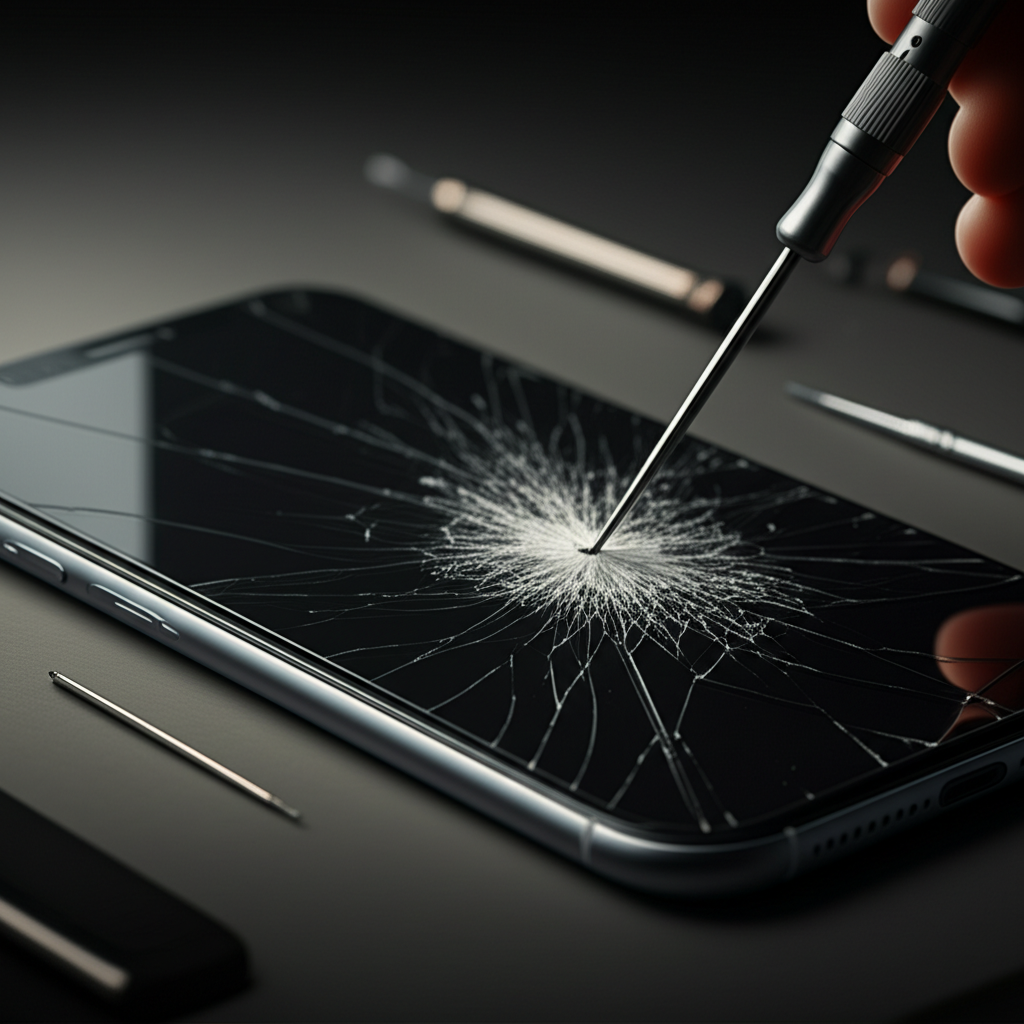
A cracked iPhone screen is a common headache. It happens to the best of us. One drop, and your clear view turns into a spiderweb. This can be frustrating and make your iPhone hard to use. But don’t worry, fixing it is much easier than you might think. We’ll walk you through how iPhone screen repair works, the tools you need, and the steps involved. You’ll learn how this essential service has evolved.
Why iPhone Screen Repair Is So Common
iPhone screens are bright and clear. They are also quite fragile. The glass can break easily from drops or impacts. This is a very common problem for iPhone users. Many people need to fix their screens every year. It’s a frequent repair need for almost all iPhone models.
This section explains why so many iPhones end up with cracked screens. It covers the physical design of iPhones and common user accidents. Understanding these reasons helps prevent future damage. It also shows why repair services are so important.
The Essential Breakthroughs in iPhone Screen Repair
Modern iPhone screen repair relies on key advancements. These breakthroughs make repairs faster and more precise. They also help keep costs down for users. Special tools and techniques are now standard. These allow for successful repairs on many iPhone models.
The main advancements include better adhesive removal tools. There are also specialized screwdrivers and suction cups. New screen replacement parts are also very high quality. These innovations have made DIY and professional repairs much more achievable.
Understanding Your Damaged iPhone Screen
Before fixing a screen, it’s good to know what’s wrong. Sometimes, only the glass is broken. Other times, the display itself is damaged. You might see lines, dead spots, or a black screen. Touch sensitivity can also be affected. Knowing the exact problem helps choose the right repair method.
Identifying the type of damage is crucial. It helps decide if you need just a glass replacement or a full screen assembly. This diagnosis prevents unnecessary work or parts. It leads to a more efficient and successful repair.
Essential Tools for iPhone Screen Repair
Repairing an iPhone screen requires specific tools. These aren’t your everyday household items. They are designed for tiny screws and delicate components. Having the right tools makes the job safer and easier. It prevents further damage to your iPhone.
Here are some of the most important tools:
Prying Tools: Small plastic or metal tools to gently separate parts.
Suction Cup: Lifts the screen without damaging the frame.
Precision Screwdrivers: Tiny bits for iPhone-specific screws.
Tweezers: For handling small screws and connectors.
Heat Gun or iOpener: Softens adhesive holding the screen.
Spudger: A nylon tool for disconnecting cables.
Anti-Static Wrist Strap: Prevents static electricity from damaging components.
Replacement Screen: A new display assembly.
These tools are often found in a repair kit. You can find them at electronics supply stores or online. Always ensure you have the right ESD protection. Static can ruin sensitive parts.
The Step-by-Step iPhone Screen Replacement Process
Replacing an iPhone screen follows a general procedure. It involves carefully taking the iPhone apart and putting it back together. Each step needs patience and precision.
Here’s a simplified overview:
1. Power Off: Turn off your iPhone completely.
2. Remove Screws: Unscrew the two small screws at the bottom near the charging port.
3. Heat Adhesive: Gently heat the edges of the screen to soften the glue.
4. Lift Screen: Use a suction cup to lift the screen slightly. Then, insert a thin prying tool to carefully cut through the adhesive. Be careful not to insert the tool too deep.
5. Open Phone: Swing the screen open like a book from the side opposite the buttons. Do not pull it off completely yet.
6. Disconnect Cables: Carefully disconnect the battery cable first. Then, disconnect the screen and sensor cables.
7. Remove Old Screen: Fully detach the damaged screen assembly.
8. Transfer Components: Move the front camera, earpiece speaker, and sensor assembly to the new screen. This is a delicate step.
9. Connect New Screen: Connect the new screen cables and the battery cable.
10. Test New Screen: Power on the iPhone to test the new screen. Check touch, brightness, and display.
11. Seal Phone: Apply new adhesive strips around the frame. Carefully close the phone.
12. Replace Screws: Reinstall the bottom screws.
This process requires attention to detail. Rushing can lead to more damage. Many guides and videos online show this process in detail. They often provide model-specific instructions.
When to Repair vs. Replace Your iPhone
Deciding whether to repair your iPhone screen or buy a new phone is important. Screen repair is usually much cheaper than a new iPhone. It’s also better for the environment. Repairing extends the life of your device.
However, if your iPhone is very old or has other major problems, replacement might be better. Consider the cost of repair versus a new phone. Also, think about the overall condition of your device. For most cracked screens, repair is the sensible choice.
Factors Affecting iPhone Screen Repair Costs
The cost of iPhone screen repair varies. It depends on the iPhone model. Newer models with more advanced screens cost more to fix. The type of repair also matters. Replacing just the glass is cheaper than replacing the entire screen assembly.
Labor costs for professional repair services add to the price. DIY repairs save on labor but require buying tools and parts. Prices can range from under $100 to over $300. Always get a quote before starting.
DIY vs. Professional iPhone Screen Repair
You have two main options for iPhone screen repair: do it yourself or hire a professional. Both have pros and cons.
DIY Repair:
Pros: Can be cheaper, offers a learning experience.
Cons: Requires tools, can be risky if you make a mistake, voids warranty.
Professional Repair:
Pros: Faster, less risk of further damage, often comes with a warranty.
Cons: More expensive than DIY.
Many repair shops offer excellent service. Apple Authorized Service Providers are another option. They use genuine parts. For complex issues, professional help is often best.
Maintaining Your iPhone Screen After Repair
After your iPhone screen is fixed, take steps to keep it protected. This prevents future damage. A good screen protector is a must. A sturdy case also adds protection.
Avoid dropping your phone. Keep it away from liquids and extreme temperatures. Regular cleaning with a soft cloth helps maintain its appearance. These simple habits can save you from future repairs.
Frequently Asked Questions About iPhone Screen Repair
Q1: How long does an iPhone screen repair usually take?
Most professional repairs take about 1-2 hours. Some shops can do it in under an hour. DIY repairs can take longer if you are doing it for the first time.
Q2: Can I repair my iPhone screen if it’s only slightly cracked?
Yes, even minor cracks can spread over time. It’s best to repair them as soon as possible. This prevents further damage and potential safety hazards.
Q3: Is it safe to use an iPhone with a cracked screen?
It’s not recommended. Cracked screens can shatter further. Small glass pieces can cut your fingers. They can also damage internal components.
Q4: What are the risks of DIY iPhone screen repair?
The main risks include damaging other components like cables or the logic board. You could also install a faulty screen. Some screws are easy to strip. ESD damage is also a concern.
Q5: Where can I buy quality iPhone screen replacement parts?
You can buy parts from reputable online suppliers like iFixit or MobileSentrix. Always check reviews and seller reputation. Ensure the part is compatible with your iPhone model.
Q6: Will screen repair affect my iPhone’s water resistance?
Yes, iPhone water resistance can be compromised after a screen repair. The seals are broken during the process. It’s difficult to restore original water resistance perfectly.
Conclusion: The Evolving Landscape of iPhone Screen Repair
The process of iPhone screen repair has seen significant evolution. What was once a daunting task is now a well-defined procedure. Thanks to specialized tools and accessible replacement parts, users have more options than ever. Whether you choose a DIY approach or a professional service, understanding the essentials ensures a successful outcome. This keeps your iPhone looking and working like new, saving you money and reducing electronic waste.
Looking for more insights on mobile device maintenance and repair? Follow us for expert tips and guides!


Belayet Hossain is a Senior Tech Expert and Certified AI Marketing Strategist. Holding an MSc in CSE (Russia) and over a decade of experience since 2011, he combines traditional systems engineering with modern AI insights. Specializing in Vibe Coding and Intelligent Marketing, Belayet provides forward-thinking analysis on software, digital trends, and SEO, helping readers navigate the rapidly evolving digital landscape. Connect with Belayet Hossain on Facebook, Twitter, Linkedin or read my complete biography.