
Published on: 07/11/2025 | Updated on: November 7, 2025
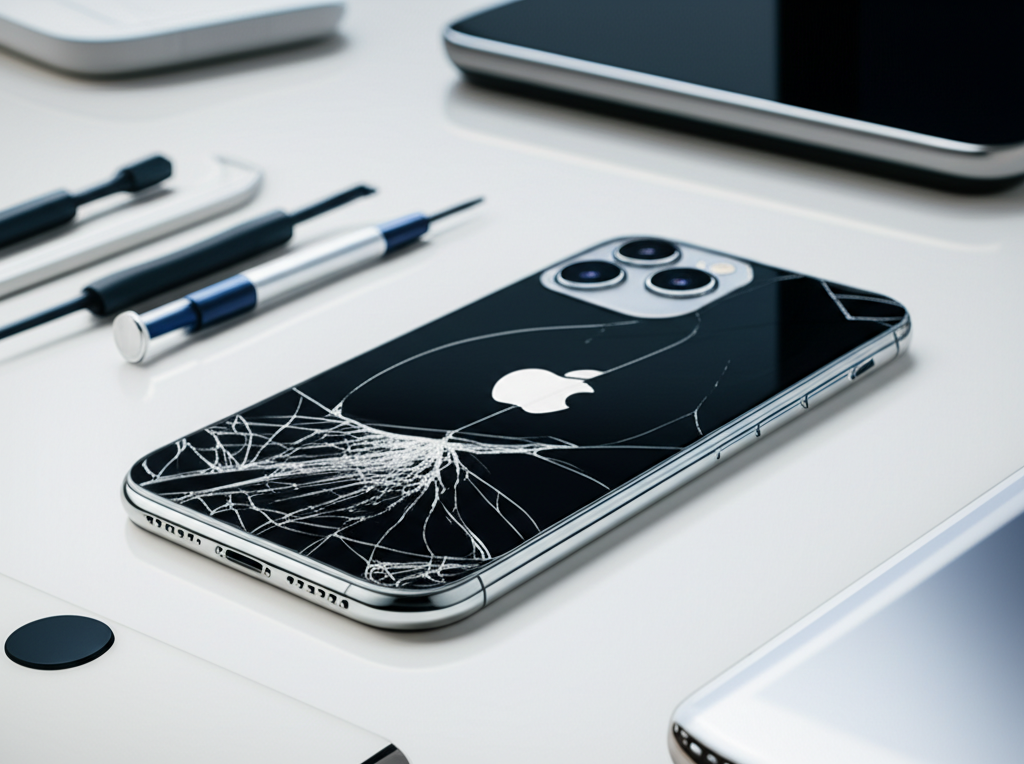
Repairing a cracked iPhone back typically costs between $50 and $300, depending on the iPhone model, the extent of the damage, and whether you choose an official Apple repair, a third-party shop, or a DIY approach.
A cracked iPhone back is more than just an eyesore. It can expose your phone’s delicate insides to dust and moisture. This can lead to bigger problems down the line. Many people wonder about the cost of fixing this. We’ll break down the expenses. We will also explain what affects the price. You’ll learn how to get your iPhone looking new again without breaking the bank.
Understanding iPhone Back Glass Repair Costs
The price to fix a cracked iPhone back glass varies greatly. It depends on several key factors. These include your specific iPhone model, the repair service you choose, and the parts used. Understanding these elements helps you estimate the cost for your situation.
Factors Influencing iPhone Back Glass Repair Price

Several things make the repair cost go up or down. The model of your iPhone is a big one. Newer models with more advanced materials often cost more to fix. The type of repair shop also matters. Apple’s official repair service is usually the most expensive. Independent repair shops offer more budget-friendly options. DIY repair kits are the cheapest but require skill. The availability of parts and the complexity of the repair also play a role.
iPhone Model and Repair Costs
Different iPhone models have different back materials and designs. This directly impacts how much it costs to repair them. Older models might be cheaper. Newer models, especially those with ceramic shield or advanced glass, can be pricier.
Cost Breakdown by iPhone Series
iPhone 14, 13, 12 Series: These models often feature reinforced glass. Repair costs can range from $169 to $279 at Apple. Third-party shops might charge $70 to $150.
iPhone 11 Series: Repairing the back glass on these models typically falls between $49 and $199 at Apple. Independent shops usually charge $50 to $100.
iPhone X, XS, XR Series: For these models, Apple repairs can be around $49 to $169. Third-party services often charge $40 to $80.
iPhone 8, SE Series and older: These models might be cheaper to repair, often under $50 for parts if you do it yourself. Apple’s pricing might be higher for out-of-warranty repairs.
Apple’s pricing is often higher due to using genuine parts and certified technicians. Independent shops may use aftermarket parts which are cheaper. This is a common practice in the iPhone screen repair cost guide, where parts quality significantly affects the final price.
Repair Options: Apple vs. Third-Party vs. DIY
You have three main paths to get your iPhone’s back fixed. Each has its own pros and cons regarding cost, quality, and convenience. Choosing the right option depends on your budget and needs.
Official Apple Repair: The Premium Choice
Apple offers official repairs. They use genuine parts and their technicians are certified. This ensures high quality and maintains your warranty. However, it is often the most expensive option. For an out-of-warranty repair, Apple’s pricing is usually fixed and transparent. They offer a reliable solution for those prioritizing quality and peace of mind.
Third-Party Repair Shops: Balancing Cost and Quality
Independent repair shops can be significantly cheaper than Apple. They offer a good balance for many users. Quality can vary, so it’s wise to choose a reputable shop. Look for places with good reviews and a warranty on their work. They often use high-quality aftermarket parts. This keeps costs down while still providing a solid repair. This is similar to finding affordable iPhone battery replacement options.
DIY Repair: The Budget-Conscious Route
Doing the repair yourself is the cheapest option. You buy a back glass replacement kit. These kits include the new back glass and necessary tools. However, this requires technical skill and patience. You also risk causing further damage if not careful. It’s a good choice for tech-savvy individuals on a tight budget.
The Repair Process: What to Expect
Repairing a cracked iPhone back involves several steps. The exact process depends on your iPhone model. Newer iPhones often have the back glass bonded with strong adhesive. This makes removal and replacement more difficult.
Steps for Replacing iPhone Back Glass
1. Heat Application: The edges of the phone are heated. This softens the adhesive holding the back glass.
2. Adhesive Separation: Thin tools are used to carefully pry the back glass away from the frame.
3. Component Transfer: If the new back glass doesn’t come with them, small parts like the wireless charging coil or NFC antenna must be transferred.
4. Cleaning: The old adhesive residue is cleaned from the frame.
5. New Glass Installation: New adhesive is applied, and the new back glass is carefully positioned and pressed into place.
6. Testing: The phone is powered on to ensure everything works correctly.
This process is intricate and requires specialized tools like essential iPhone repair tool kits. Proper handling prevents damage to internal components.
Tools Needed for Back Glass Repair
If you decide on a DIY repair, you’ll need specific tools. These tools help you safely disassemble your iPhone and replace the back glass. Using the right tools is crucial for a successful repair.
Essential Repair Toolkit
Heat Gun or Hair Dryer: To soften the adhesive.
Suction Cup: To lift the back glass slightly.
Thin Pry Tools (Plastic Spudgers, Opening Picks): To separate the glass from the frame.
Tweezers: For handling small screws and components.
Small Phillips and Pentalobe Screwdrivers: iPhones use specific screw types.
Adhesive Strips: For securing the new back glass.
Isopropyl Alcohol: For cleaning old adhesive.
Safety Glasses: To protect your eyes from glass shards.
ESD Wrist Strap: To prevent static discharge damage to sensitive electronics.
These tools are often bundled in DIY repair kits. Purchasing a comprehensive kit is usually more cost-effective than buying each item separately. Static electricity is a real danger to phone components. Always use an ESD wrist strap when working on electronics.
Hidden Costs and Potential Complications
Sometimes, the initial repair quote doesn’t tell the whole story. There can be unexpected costs or issues that arise. Being aware of these can help you prepare.
Unexpected Expenses in Repair
Additional Damage: While replacing the back glass, internal components like the camera lens or wireless charging coil can be damaged. This adds to the repair cost.
Water Resistance: After a back glass replacement, your iPhone’s water resistance is usually compromised. Apple repairs restore this, but third-party or DIY repairs often do not.
Tool Damage: If you are doing a DIY repair, you might accidentally damage other parts of your phone, leading to more repair costs.
Part Quality: Cheaper, low-quality replacement back glass can crack again easily. This means paying for another repair sooner.
It’s vital to consider these potential issues before committing to a repair. A professional diagnosis can help foresee some of these problems.
Comparing Repair Costs: A Quick Look
Let’s visualize the typical cost differences. This table gives you a general idea of what to expect for common iPhone models.
| iPhone Model | Official Apple Repair (Approx.) | Third-Party Repair (Approx.) | DIY Kit (Approx.) |
| :——————– | :—————————— | :————————— | :—————- |
| iPhone 14 Pro Max | $279 | $90 – $160 | $30 – $60 |
| iPhone 13 Mini | $169 | $70 – $120 | $25 – $50 |
| iPhone 11 Pro | $149 | $60 – $100 | $20 – $40 |
| iPhone XR | $99 | $50 – $80 | $15 – $35 |
| iPhone 8 | $49 | $40 – $60 | $10 – $30 |
Note: Prices are estimates and can vary based on location, shop, and specific parts.
These figures highlight the significant savings possible with third-party or DIY repairs. However, official repairs offer guaranteed quality and parts.
When to Consider Professional Repair
For most users, professional repair is the safest route. This is especially true for newer or more expensive iPhone models. Professionals have the expertise and tools to do the job correctly.
Benefits of Professional Service
Expertise: Technicians are trained to handle delicate phone components.
Warranty: Most reputable shops offer a warranty on their repairs.
Time Saving: Professionals can often complete the repair quickly.
Reduced Risk: Less chance of causing further damage to your phone.
If you’re not comfortable with intricate repairs or have a valuable device, a professional service is recommended. They ensure your iPhone is returned to its optimal condition.
DIY Repair: Tips for Success
If you’re confident in your technical abilities, a DIY repair can save you money. Careful preparation and following instructions are key.
DIY Repair Best Practices
Watch Tutorials: Find video guides specific to your iPhone model.
Use Quality Parts: Invest in a good replacement back glass.
Work in a Clean Area: Prevent dust and debris from getting inside.
Take Your Time: Do not rush the process.
Organize Screws: Keep track of which screw goes where. Tiny screws can be easily lost.
Test Before Sealing: Ensure all functions work before applying the final adhesive.
Remember, a mistake during a DIY repair can be costly. It might be cheaper to pay for a professional than to fix further damage.
Protecting Your iPhone’s Back Glass
Once your iPhone’s back glass is repaired, it’s important to protect it. This helps prevent future cracks and scratches. Simple protective measures can extend the life of your phone.
Protective Measures
Use a Case: A good quality case absorbs impact. This is the most effective way to protect the back.
Screen Protector: While this protects the front, some cases wrap around to protect the edges and back too.
Handle with Care: Avoid dropping your phone or placing it in pockets with keys or coins.
* Avoid Extreme Temperatures: Heat can weaken the adhesive and glass.
Consistent care and a protective case are your best defense against future damage.
Frequently Asked Questions About iPhone Back Glass Repair
Q1: How much does it cost to replace the back of an iPhone 12?
The cost to replace the back of an iPhone 12 typically ranges from $70 to $150 at a third-party shop. Apple charges around $169 for this repair. DIY kits are available for $25 to $50.
Q2: Can I use my iPhone with a cracked back?
Yes, you can use your iPhone with a cracked back. However, it’s not recommended. Small cracks can spread. Dust and moisture can get inside and damage internal components.
Q3: Does Apple repair cracked iPhone backs?
Yes, Apple offers back glass repair services for most iPhone models. This is usually done as an out-of-warranty service and can be costly.
Q4: Is DIY iPhone back glass repair difficult?
DIY repair can be challenging. It requires patience, precision, and the right tools. Newer iPhones with bonded backs are more difficult than older models.
Q5: Will my iPhone still be water-resistant after a third-party repair?
Generally, no. Third-party repairs often cannot restore the original water-resistance seals. Official Apple repairs are more likely to maintain water resistance.
Q6: How long does an iPhone back glass repair take?
A professional repair typically takes 1-3 hours. A DIY repair can take anywhere from 30 minutes to several hours, depending on your skill level.
Final Verdict on iPhone Back Glass Repair Costs
Fixing a cracked iPhone back is a common need. The cost varies significantly, from about $20 for a DIY kit to over $200 for an official Apple repair. For most users, a reputable third-party repair shop offers the best balance of cost and quality. If your iPhone is still under warranty or you prioritize genuine parts and water resistance, Apple is the safest bet. For the most budget-conscious, a DIY approach is possible but carries risks. Always research your options and choose the path that best fits your budget and technical comfort level. Taking care of your phone with a case after repair will help prevent future issues.

Belayet Hossain is a Senior Tech Expert and Certified AI Marketing Strategist. Holding an MSc in CSE (Russia) and over a decade of experience since 2011, he combines traditional systems engineering with modern AI insights. Specializing in Vibe Coding and Intelligent Marketing, Belayet provides forward-thinking analysis on software, digital trends, and SEO, helping readers navigate the rapidly evolving digital landscape. Connect with Belayet Hossain on Facebook, Twitter, Linkedin or read my complete biography.